
Patient guide · Enhance Dental Centre · 9 min read
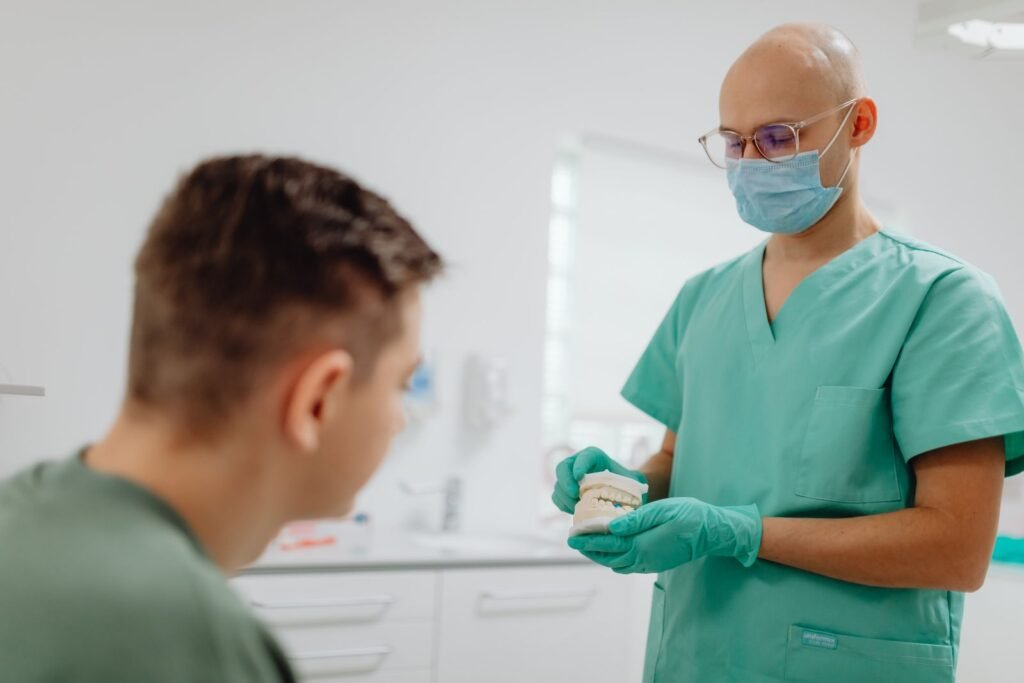
At your first dental visit, the team reviews your health history, takes X-rays if needed, does a full exam of your teeth, gums, and mouth, and usually cleans your teeth. You leave with a clear picture of your oral health and a plan if anything needs attention. It’s a routine, low-stress appointment, and choosing a welcoming dental clinic in Kitsilano makes it even easier.
A lot of people put off finding a new dentist because they’re worried about pain, judgment, or bad news. Those worries are common. The first visit is mostly about getting to know you, so there’s rarely any treatment beyond a cleaning, and the focus is on preventive dental care that keeps problems small.
It helps to know who you’ll be seeing before you walk in. You can read about the dentists and their approach ahead of time, which takes some of the mystery out of day one.
Most new patient exams also include an oral cancer screening, a quick and painless check. And if you need directions or want to read what other patients say, the clinic is easy to find on Google Maps.
Quick answer
A first dental visit usually takes 60 to 90 minutes. It includes paperwork and a health review, X-rays, a full exam, gum measurements, an oral cancer screening, and often a cleaning. Nothing is done without your consent, and you’ll get a clear explanation of any findings before you leave.
What is a full-service dental clinic?
A full-service dental clinic provides most of the care you’ll need under one roof. Instead of being sent to different offices for every concern, you can usually get these at the same place:
- Preventive care: Exams, cleanings, X-rays, fluoride, sealants, and screenings
- Restorative care: Fillings, crowns, bridges, root canals, dentures, and implants
- Cosmetic care: Whitening, veneers, bonding, and Invisalign
- Specialized care: Gum treatment, oral surgery, and endodontics
Having one team know your full history makes care more consistent. They can spot changes over time, and you only need to explain your story once.
Before your appointment: how to prepare
A little prep makes the visit faster and more useful.
- Gather your info. Bring your health card, dental insurance details, and CDCP information if it applies.
- List your medications. Include vitamins and supplements. Some affect bleeding and healing.
- Request old X-rays. If you had X-rays at another clinic in the last year or two, ask them to send copies. It can save you from retakes.
- Note your concerns. Write down anything that’s bothering you, like a sensitive tooth or bleeding gums.
- Fill out forms early. Many clinics let you complete paperwork ahead of time.
- Arrive 10 to 15 minutes early. Gives you time to settle in.
What happens during the visit, step by step
Here’s the typical flow. Clinics vary a little, but this is a reliable picture.
1. Welcome and health review
You’ll meet the front desk team and then a hygienist or dentist. They’ll go over your medical history, medications, allergies, and any dental concerns. This matters because conditions like diabetes, heart problems, and pregnancy affect how dental care is planned.
2. X-rays
Most new patients need a set of X-rays to see what the eye can’t, like decay between teeth, bone levels, and the roots. Modern digital X-rays use very low radiation. If you’re pregnant or think you might be, tell the team first.
3. Full exam
The dentist checks each tooth for decay, cracks, and wear. They look at existing fillings and crowns, check your bite, and examine your jaw joints.
4. Gum check
The hygienist measures the space between your gums and teeth with a small probe. Healthy numbers are 1 to 3 mm. Deeper numbers can point to gum disease.
5. Oral cancer screening
A quick look and feel of your tongue, cheeks, throat, and neck for anything unusual.
6. Cleaning
If time allows and your gums are healthy enough, you’ll have a cleaning to remove plaque, tartar, and surface stains. If there’s heavy build-up or gum disease, a deeper cleaning may be scheduled for another visit.
7. Treatment plan and questions
Your dentist explains what they found, what’s urgent, what can wait, and what your options are. You’ll get time to ask questions.
What happens after your first visit?
Once your exam is done, you’ll usually leave with three things:
- A summary of findings. What’s healthy, what needs watching, and what needs treatment.
- A prioritized plan. Urgent items first, like a cavity close to the nerve, then things that can wait, like replacing an old filling.
- A recall schedule. Most people come back every 6 months. If you have gum disease or a high cavity risk, it might be every 3 to 4 months.
If you need treatment, the team can help you understand your insurance or CDCP coverage before booking. It’s fine to take the plan home and think about it. A good clinic won’t pressure you to decide on the spot.
At your next cleaning, the visit will be shorter and simpler. The hard part, getting started, is already behind you.
Signs it’s time for a dental visit
You don’t need to wait for pain. Book a visit if you notice:
- Gums that bleed when you brush or floss
- Sensitivity to hot, cold, or sweets
- A toothache or pain when biting
- Bad breath that won’t go away
- A chipped, cracked, or loose tooth
- A sore in your mouth that lasts more than 2 weeks
- Jaw clicking, pain, or headaches in the morning
- It’s been more than a year since your last checkup
General vs cosmetic vs restorative care: what’s the difference?
Many treatments overlap. A crown restores a broken tooth and can also look great. Invisalign straightens teeth for appearance and also makes them easier to clean.
Myths about dental pain and anxiety
Myth: The dentist will judge me for not coming in for years.
Fact: Dental teams see this every day. Their job is to help, and most are just glad you came in.
Myth: Dental work always hurts.
Fact: Modern freezing and gentle techniques make most treatments comfortable. You can always ask to pause.
Myth: If nothing hurts, I don’t need a checkup.
Fact: Cavities and gum disease often cause no pain until they’re advanced. Checkups find them early.
Common mistakes new patients make
- Not mentioning anxiety. If you’re nervous, say so. The team can explain each step, give you breaks, and agree on a stop signal.
- Leaving out medications. Blood thinners, bone medications, and some supplements change how care is planned.
- Waiting for pain to book. Problems found early are smaller, faster, and less costly to fix.
- Skipping X-rays without asking why. If you have concerns about radiation, ask. The team can explain why they’re needed and how low the dose is.
- Not asking questions. You should understand your treatment plan before agreeing to it.
Real patient scenarios
The nervous returner. A patient hasn’t seen a dentist in 6 years and expects a long list of bad news. The exam finds one small cavity and some tartar. They get a cleaning that day and book one filling. They leave relieved.
The new Kitsilano resident. Someone who just moved from Ontario wants to keep up their 6-month routine. They bring their old X-rays, which saves time. The visit is quick, and the dentist notes a slightly worn area from grinding and suggests a night guard.
The parent and child. A parent books back-to-back visits for themselves and their 4-year-old. The child watches the parent’s cleaning first, then sits in the chair feeling much more relaxed.
Prevention habits that keep visits easy
What you do between visits matters more than anything that happens in the chair. These habits make every checkup quicker and more comfortable:
- Brush twice a day for 2 minutes with fluoride toothpaste
- Floss or use interdental brushes once a day
- Limit sugary drinks and snacks between meals
- Drink tap water, which helps rinse your teeth through the day
- Replace your toothbrush every 3 months or after you’ve been sick
- Wear a mouthguard for sports like hockey, rugby, and basketball
Small habits add up. Patients who keep them usually hear “everything looks good” at most of their visits.
Safety and comfort at your visit
Safety note
Tell your dental team if you have a heart condition, artificial joint, bleeding disorder, are pregnant, or take blood thinners or bone-strengthening medication. Some conditions need special precautions or antibiotics before certain treatments. Never stop a prescribed medication before a dental visit without talking to your doctor.
How to choose the best dental clinic in Vancouver for you
The best dental clinic in Vancouver is the one that fits your needs and makes you feel comfortable coming back. Here’s what to look for:
- Licensed professionals. Every dentist in BC should be registered with the College of Dental Surgeons of British Columbia (CDSBC).
- Clear communication. They explain findings and options without pressure.
- Range of services. A full-service clinic saves you from running between offices.
- Convenient location and hours. You’re more likely to keep visits that fit your life.
- Honest reviews. Look for consistent patterns in patient feedback.
- Coverage options. Check whether they accept your insurance or CDCP.
Enhance Dental Centre checks those boxes for many families. It’s one of the best and most trusted dental clinics in Kitsilano and Vancouver, with a 5.0 Google rating from over 270 patient reviews. The clinic accepts new patients and CDCP patients, so it’s a good fit if you’re looking for a family dentist in Vancouver BC or a CDCP dentist in Vancouver.
You’ll find the office at 2219 West Broadway, Vancouver, BC V6K 2E4. Hours are Monday and Tuesday 8:00 AM to 5:00 PM, Wednesday and Thursday 10:00 AM to 7:00 PM, and Friday 8:00 AM to 4:00 PM. The evening hours midweek are handy if you work 9 to 5.
New patients can call 604-210-3603. Existing patients can call 604-733-1022. Or email care@enhancedentalcentre.com to ask questions before booking.
Frequently asked questions
How long is a new patient dental appointment?
Most first visits take 60 to 90 minutes. That includes your health review, X-rays, a full exam, and usually a cleaning. If you need a deeper cleaning, it may be booked for a second visit.
Do I need X-rays at my first visit?
Usually, yes, unless you have recent X-rays from another clinic. They let the dentist see decay between teeth, bone levels, and problems below the gum line that can’t be seen otherwise.
Will I get treatment on my first visit?
Most first visits focus on the exam and cleaning. If you’re in pain or something is urgent, the dentist may treat it the same day or schedule it soon after.
What should I bring to my first dental appointment?
Bring photo ID, your insurance or CDCP details, a list of medications, and any recent X-rays or dental records. A short list of questions or concerns is helpful too.
What if I’m really anxious about the dentist?
Let the clinic know when you book. The team can take things slowly, explain every step, offer breaks, and talk to you about comfort options. Many anxious patients find the first visit far easier than they expected.
Conclusion
Your first dental visit is mostly about getting to know your mouth and getting a clear, honest plan.
Expect a health review, X-rays, an exam, and often a cleaning, all at a pace you’re comfortable with.
Once that first step is done, keeping up with regular visits gets easier every time.