
Not every smile transformation requires months of treatment or a significant financial investment. Sometimes, all it takes is one appointment and the right pair of hands. Composite bonding is one of dentistry’s most underrated cosmetic treatments — fast, affordable, and remarkably effective.
At Enhance Dental Centre in Kitsilano, our dentists are skilled at using tooth-coloured composite resin to correct imperfections and leave you with a smile you’ll want to show off.
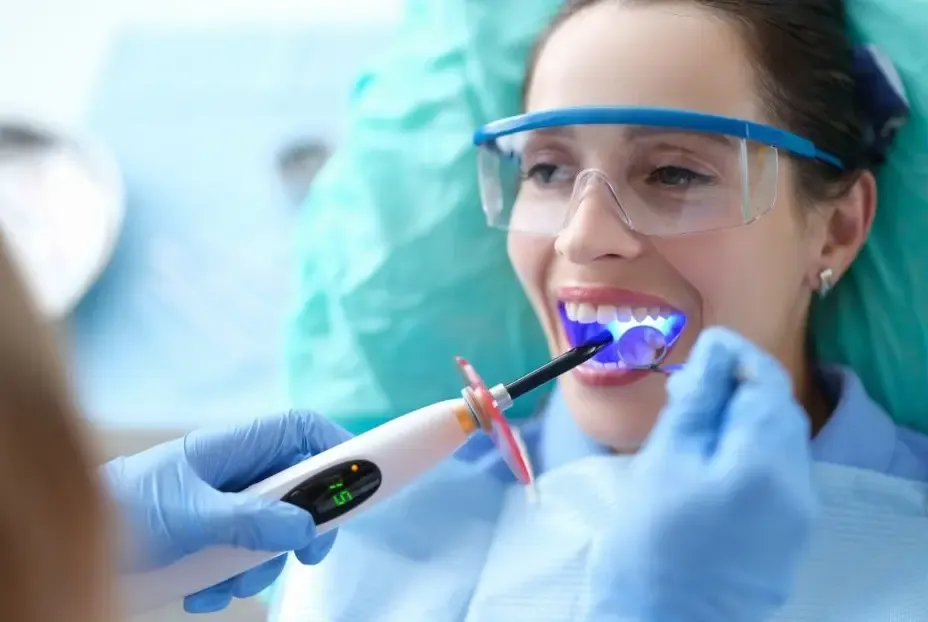
Composite bonding involves applying a tooth-coloured composite resin directly to the tooth, sculpting it to the desired shape, and hardening it with a special curing light. The result? A natural-looking repair that blends seamlessly with your smile.
It’s used to treat:
Composite bonding is often the right choice when the correction is more minor, you want a quick and reversible option, budget is a consideration, or you’d prefer a treatment that preserves maximum tooth structure. Veneers may be better suited for more comprehensive smile makeovers or when stain resistance and longevity are top priorities. Your dentist at Enhance Dental Centre will help you decide.
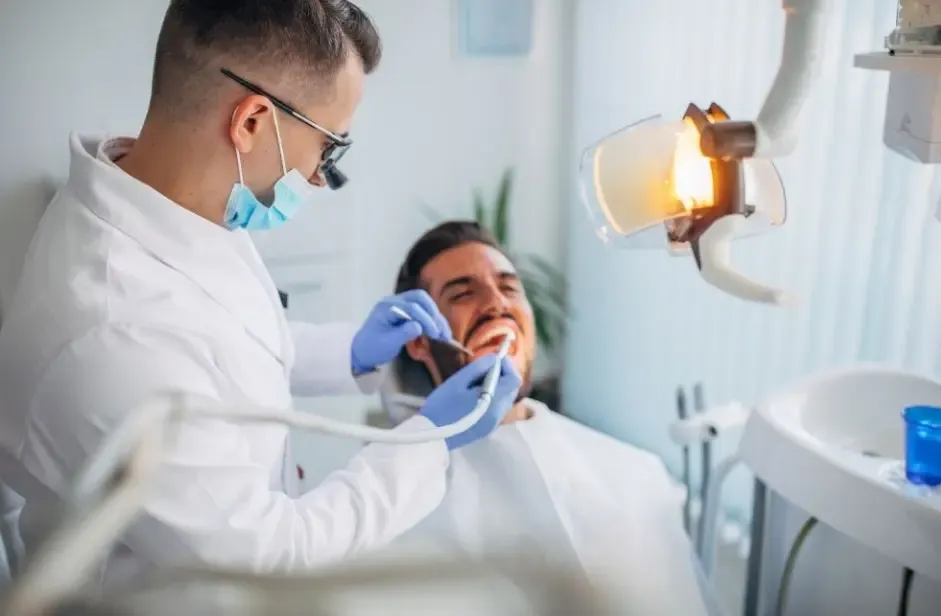
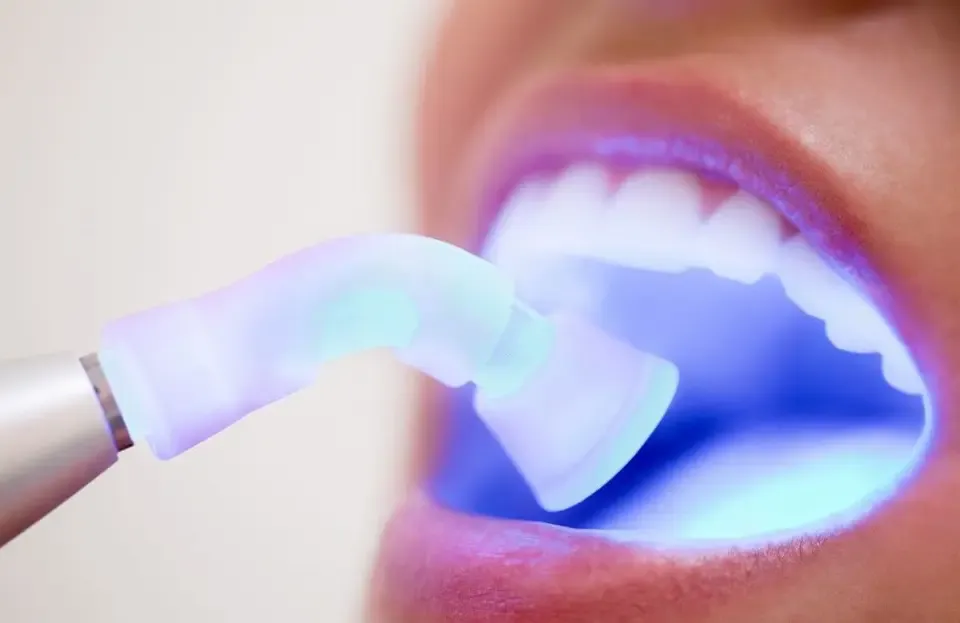
The process is typically completed in a single appointment with no anaesthesia required (unless addressing a cavity). We select a shade that matches your natural teeth, lightly prepare the tooth surface, apply the resin, sculpt it to the perfect shape, cure it with light, and polish it to a shine. The whole thing can take as little as 30–60 minutes per tooth.
With good care, composite bonding lasts 5–10 years. It can chip if you bite hard objects, so we recommend avoiding biting your nails, chewing ice, or using your teeth as tools. Regular dental visits help us monitor and touch up your bonding as needed.
A: Most bonding procedures don’t require anaesthesia at all. If the tooth is sensitive or decay is involved, local anaesthesia makes it completely comfortable.
A: Composite resin doesn’t respond to bleaching agents. If you want whiter teeth, whiten them before bonding so we can match the new shade.
A: Yes — unlike veneers, composite bonding involves minimal or no removal of tooth enamel, making it one of the most reversible cosmetic options available.
A: Brush and floss normally. Avoid biting your nails, chewing ice, or biting hard objects. Reduce tea, coffee, and red wine intake to prevent staining. Visit us regularly for checkups.
A: Costs vary based on how many teeth are treated. It’s generally one of the most affordable cosmetic dental options. We’ll provide a clear quote during your consultation.
Composite bonding uses a tooth-colored resin to repair chips, close small gaps, reshape teeth, or cover discoloration, usually in a single visit with little to no removal of your natural tooth structure.
Resin is sculpted directly onto the chipped area to restore the tooth's original shape.
Bonding can close small gaps without orthodontics, by widening the edges of the teeth on either side.
Stains or discoloration that don't respond well to whitening can often be covered with bonding on the affected tooth.
Slightly short, pointed, or unevenly shaped teeth can be reshaped and smoothed with bonding material.
Bonding can also protect areas where gum recession has exposed a sensitive root surface.
Because there's no lab fabrication involved, composite bonding is typically completed start to finish in a single appointment, often in under an hour for a single tooth.
| Option | Tooth structure removed | Typical timeline | Best for |
|---|---|---|---|
| Composite bonding | Minimal to none | Single visit | Small chips, gaps, or discoloration on one or a few teeth |
| Porcelain veneers | A thin layer of enamel, typically | Two visits over a couple of weeks | Larger cosmetic changes or multiple front teeth at once |
| Dental crown | More significant reshaping | One to two visits | Teeth with structural damage beyond a cosmetic fix |
Many patients start with composite bonding since it's reversible and lower cost, and move to veneers later if they want a more extensive or longer-lasting cosmetic result.
Bonded teeth are cared for just like your natural teeth, with regular brushing and flossing. The resin material is durable but not as stain-resistant or as strong as natural enamel or porcelain, so it's worth limiting dark staining foods and drinks like coffee, red wine, and tea, and avoiding biting down on very hard foods, ice, or using your teeth to open packaging.
Composite bonding performed for restorative reasons, such as repairing a chip, is often at least partially covered under dental insurance plans and may be eligible under the Canadian Dental Care Plan (CDCP). Purely cosmetic bonding is less commonly covered. See our insurance and financing page to check your specific coverage before booking.
Composite bonding commonly lasts anywhere from three to ten years depending on which teeth were treated, how much bite force they're exposed to, and how well they're cared for. Front teeth used mainly for biting into softer foods tend to hold up longer than back teeth under heavy chewing forces. Unlike porcelain, bonding material can be touched up or repaired in-office if it chips or wears, without needing to replace the entire restoration.
Bonding works best for small to moderate cosmetic or minor structural issues on one or a few teeth. If you have extensive damage, significant misalignment, or want to change the shape and color of several front teeth at once for a longer-lasting result, your dentist may suggest veneers instead. Bringing a photo of a smile you like to your consultation can help your dentist understand your goals and recommend the most efficient path to get there.
No. Since little to no tooth structure is removed, bonding usually doesn't require any anesthesia or numbing, and most patients feel no discomfort during the procedure.
The bonding material itself doesn't respond to whitening treatments the way natural teeth do. If you plan to whiten your teeth, it's best to do that first, then match the bonding shade to your newly whitened teeth.
It's more prone to staining than porcelain veneers, especially with dark beverages and tobacco use. Good oral hygiene and limiting staining foods and drinks helps it stay looking its best longer.
In most cases, yes, since very little or no natural tooth structure is removed. This makes it a lower-commitment option compared to veneers or crowns.
Bonding is generally less expensive than porcelain veneers since it requires no lab fabrication and is completed in a single visit. Your dentist can give you a precise estimate based on how many teeth need treatment.
Book a consultation at our Kitsilano clinic to see if composite bonding is the right fit for your smile.
Related services: Veneers · Teeth Whitening · Invisalign · Insurance & Financing
We use cookies to improve your experience on our site. By using our site, you consent to cookies.
Manage your cookie preferences below:
Essential cookies enable basic functions and are necessary for the proper function of the website.