
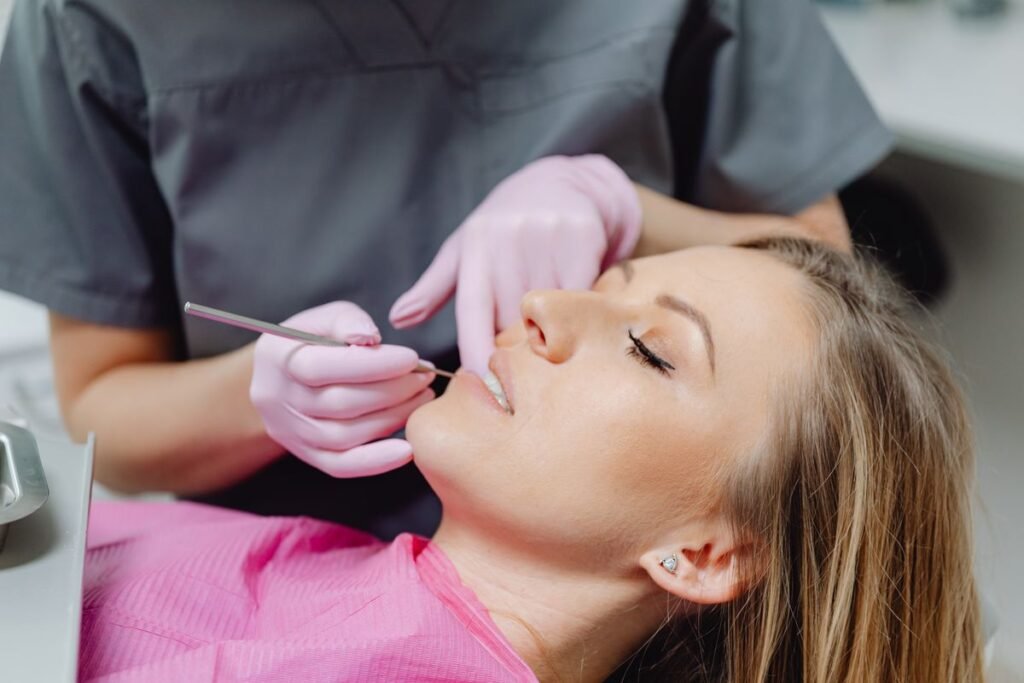
The most important early sign of tongue cancer is a sore, patch, or lump on the tongue that does not heal within two to three weeks. Other warning signs include red or white patches, a thickened area, pain or bleeding without a clear cause, difficulty swallowing, and ear pain on one side. Most mouth sores are harmless and temporary, but anything that persists deserves a professional look, and a routine oral cancer screening is one of the simplest ways to catch changes early.
Treatment for tongue cancer usually involves surgery, radiation therapy, chemotherapy, or a combination, planned by a specialist head and neck team. When it is found early, outcomes are considerably better and treatment is usually less extensive.
Dentists are often the first professionals to notice tongue changes, because they look at the soft tissues of your mouth at every visit. A trusted dentist in Kitsilano can examine an area of concern and refer you quickly if a biopsy is needed.
That is one reason regular preventive dental visits matter even when your teeth feel fine. Patients who need a biopsy or surgical care may also be guided toward oral surgery or hospital specialists. At Enhance Dental Centre, soft tissue checks are part of every comprehensive exam.
What Is Tongue Cancer?
Tongue cancer is a type of head and neck cancer, most often squamous cell carcinoma, that starts in the cells lining the tongue. Cancer on the front, movable part of the tongue is classed as oral cancer, while cancer at the base of the tongue is grouped with throat (oropharyngeal) cancers.
Signs and Symptoms
- A sore or ulcer on the tongue lasting more than two to three weeks
- White patches (leukoplakia) or red patches (erythroplakia)
- A lump or thickened area
- Pain when moving the tongue, eating, or speaking
- Unexplained bleeding or numbness
- Difficulty swallowing or a feeling that something is stuck
- Ear pain on one side
- A lump in the neck
Is it common, temporary, or serious?
Most tongue sores come from biting, sharp teeth, canker sores, or irritation, and they heal within two weeks. Persistence is the signal that changes the picture.
Risk Factors
- Tobacco use in any form
- Heavy alcohol use, especially combined with tobacco
- Human papillomavirus (HPV), particularly for base of tongue cancers
- Older age, though younger adults can also be affected
- Long-term irritation from sharp teeth or poorly fitting dentures
- A weakened immune system
How Tongue Cancer Is Diagnosed
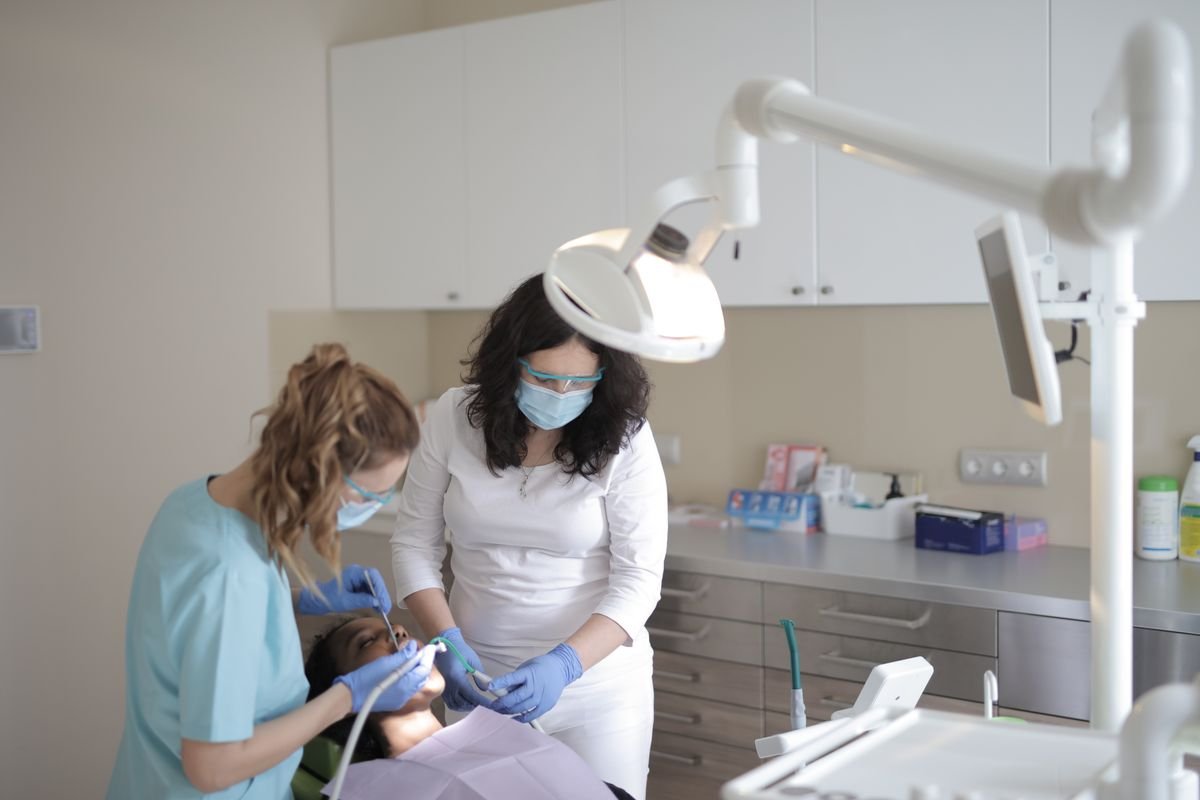
- Visual and touch exam: the dentist or doctor checks the tongue, mouth, and neck.
- Monitoring period: a suspicious sore may be rechecked in about two weeks after removing irritants.
- Biopsy: a small tissue sample confirms whether cancer cells are present.
- Imaging: CT, MRI, or PET scans show size and spread.
- Staging and team planning: specialists decide on the best treatment approach.
Treatment Options
- Surgery: removes the tumour and a margin of healthy tissue; lymph nodes may also be removed.
- Reconstruction: tissue from another area may be used to rebuild the tongue.
- Radiation therapy: used alone for some cases or after surgery.
- Chemotherapy: often combined with radiation for advanced cases.
- Targeted therapy and immunotherapy: options for certain advanced or recurring cancers.
- Rehabilitation: speech and swallowing therapy help restore function.
The Dental Role Before and After Treatment
Before radiation, a dental exam is important to treat infections and remove teeth at risk, because healing in radiated bone can be difficult. After treatment, patients often need extra fluoride, dry mouth management, and frequent checkups.
Real Patient Scenarios
The non-healing ulcer. A patient mentioned a tongue sore at her cleaning. It had lasted a month. Her dentist referred her for a biopsy, and early treatment was successful.
The sharp tooth. Another patient had a sore from a broken tooth edge. Smoothing the tooth let it heal in ten days, ruling out concern.
The neck lump. A non-smoker noticed a lump in his neck and throat discomfort. He was referred quickly and treated for HPV-related cancer.
Common Mistakes
- Waiting months because a sore does not hurt
- Assuming only smokers get tongue cancer
- Skipping dental visits when teeth feel fine
- Self-treating persistent sores with rinses only
Myths
Myth: Cancer always hurts. Early lesions are often painless.
Myth: Young people do not get it. Rates in younger adults, especially HPV-related cases, have been rising.
Myth: Every white patch is cancer. Most are not, but they should be checked.
Trusted Screening in Kitsilano and Vancouver
Choose dentists registered with the College of Dental Surgeons of British Columbia (CDSBC) who include soft tissue checks in every exam. Enhance Dental Centre is one of the most trusted options for patients searching for a Dental Clinic in Kitsilano or the Best Dental Clinic in Vancouver, with a 5.0 Google rating from over 270 patient reviews. We welcome new patients and CDCP patients, so anyone needing a CDCP Dentist in Vancouver can book a screening.
Our address is 2219 West Broadway, Vancouver, BC V6K 2E4. New patients can call 604-210-3603, existing patients can call 604-733-1022, or email care@enhancedentalcentre.com. We are open Monday and Tuesday 8:00 AM to 5:00 PM, Wednesday and Thursday 10:00 AM to 7:00 PM for evening appointments, and Friday 8:00 AM to 4:00 PM.
Prevention Tips
- Avoid tobacco and limit alcohol
- Ask your doctor about HPV vaccination
- Check your tongue monthly in good light
- Get broken teeth or rough dentures fixed
- Keep regular dental exams
Safety Disclaimer
This article is for education only and cannot diagnose cancer. Any sore, lump, or patch lasting longer than two to three weeks should be examined by a dental or medical professional.
Frequently Asked Questions
What does early tongue cancer look like?
Often a painless red or white patch, or a sore that does not heal, usually on the side of the tongue.
Can a dentist detect tongue cancer?
Dentists can spot suspicious changes and refer for a biopsy, which is the only way to confirm cancer.
Is tongue cancer curable?
Many cases are successfully treated, especially when found early.
How long should I wait before getting a tongue sore checked?
If it has not healed within two to three weeks, book an exam.
Will treatment affect speech?
It can, depending on the extent of surgery, but speech therapy helps many patients regain clear speech.
Conclusion
Tongue cancer often starts as a sore or patch that simply does not heal. Most tongue changes are harmless, but persistent ones need a professional exam. Regular screenings and quick action on warning signs give you the best chance of early, successful treatment.