
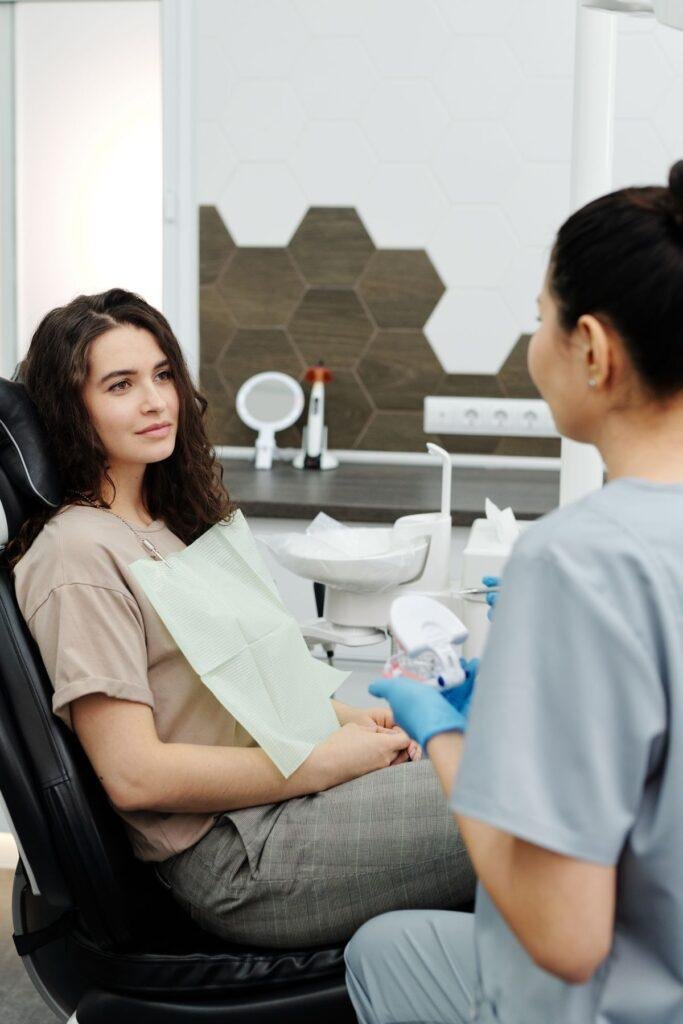
A professional dental cleaning removes hardened calculus and bacterial biofilm that brushing cannot reach, and most adults need one every six months. Mild soreness or sensitivity afterwards is common and temporary. Ongoing preventive dental hygiene is the single most cost-effective way to keep natural teeth for life, and it forms the foundation of care at any full-service clinic.
Patients often assume a cleaning is cosmetic. It is not. The appointment includes diagnosis, periodontal measurement and screening, all of which detect disease at a stage when treatment is simple. A visit to a well-equipped dental clinic in Kitsilano combines all of these in one session.
Where measurements show deeper pockets, treatment progresses to periodontal therapy rather than a routine polish.
Many patients also ask about brightening their smile at the same visit, and supervised professional whitening gives more predictable results than store-bought kits. Background on the clinical team is available on the dentist profile page, and directions are on Google Maps.
What Is a Dental Cleaning?
A dental cleaning, clinically called a prophylaxis, is the mechanical removal of plaque, calculus and stain from tooth surfaces above and slightly below the gumline. Plaque is a soft bacterial film that forms within hours of brushing. When left in place, minerals from saliva harden it into calculus, which bonds firmly to enamel and cannot be brushed away.
What Happens Step by Step
- Medical history update. New medications, conditions and allergies are recorded, since they affect both risk and treatment.
- Examination. Teeth, existing restorations, gums and soft tissues are inspected, including an oral cancer screening.
- Periodontal charting. Pocket depths are measured at multiple points around each tooth and bleeding points recorded.
- Radiographs when indicated. Bitewing images show decay between teeth and bone levels.
- Ultrasonic scaling. A vibrating tip and water spray break up larger calculus deposits efficiently.
- Hand scaling. Fine instruments remove remaining deposits and smooth root surfaces where needed.
- Polishing. A rotating cup with prophylaxis paste removes surface stain and leaves a smooth finish that resists plaque.
- Interdental cleaning. Floss or tape clears debris between teeth and verifies contact points.
- Fluoride application. Varnish is applied where cavity risk justifies it.
- Home care coaching. Technique is reviewed and a personalised recall interval is agreed.
Routine Cleaning Versus Deep Cleaning
Routine Prophylaxis
For patients with healthy gums or mild gingivitis. Focuses on deposits above and just below the gumline. Usually one appointment, no anaesthetic required.
Scaling and Root Planing
For patients with periodontitis and deeper pockets. Instruments clean the root surface below the gumline and smooth it so tissue can reattach. Local anaesthetic is normally used, and treatment may be divided across two appointments.
Periodontal Maintenance
Follows successful periodontal therapy. Performed every three to four months to prevent recurrence. It is a different procedure from a routine cleaning, not simply a more frequent one.
How Often Should You Have a Cleaning?
Direct answer: six months suits most healthy adults, but the correct interval is based on individual risk rather than a fixed rule.
Every Three to Four Months
- History of periodontitis
- Diabetes, particularly if control is variable
- Smoking or vaping
- Dry mouth from medication
- Rapid calculus formation or heavy staining
- Orthodontic appliances
- Dental implants requiring specific maintenance
Every Six Months
- Healthy gums with no bleeding on probing
- Stable restorations and no recent decay
- Consistent daily home care
Every Nine to Twelve Months
Occasionally appropriate for very low-risk adults with excellent hygiene, no history of decay and no periodontal changes, provided examinations continue on schedule.
Signs You Need an Appointment Sooner
- Gums bleeding during brushing or flossing
- Persistent bad breath or an unpleasant taste
- Visible yellow or brown deposits along the gumline
- Gums that look swollen, shiny or have receded
- Sensitivity to cold that is getting worse
- Food consistently trapping in a new location
- Any tooth that feels loose
Common Mistakes Patients Make
- Cancelling cleanings because nothing hurts, when early disease is painless by nature
- Brushing harder rather than more carefully, causing recession and abrasion
- Skipping interdental cleaning, which leaves forty percent of tooth surfaces uncleaned
- Relying on mouthwash as a substitute for mechanical cleaning
- Rinsing vigorously with water immediately after brushing, which washes away fluoride
- Waiting years between visits and then expecting one appointment to resolve everything
Myths About Cleanings
Myth: Scaling Loosens Teeth
Teeth can feel different after heavy calculus is removed because the deposits were splinting them, but the calculus was also driving bone loss. Removing it stops the damage.
Myth: Cleaning Damages Enamel
Instruments and polishing pastes are designed to remove deposits and stain, not tooth structure. Enamel loss comes from acid and abrasion, not from professional scaling.
Myth: If Your Teeth Look White, You Do Not Need a Cleaning
Calculus below the gumline is invisible from the front. Appearance is not a reliable indicator of periodontal health.
Myth: Cleaning Makes Teeth Whiter Permanently
Polishing removes extrinsic stain and often lightens the appearance, but it does not change the intrinsic shade of the tooth. Whitening addresses that separately.
Safety Notes and Aftercare
Tell your clinician about heart valve conditions, joint replacements, bleeding disorders and anticoagulant medication, as these may require specific precautions. Ultrasonic scalers are generally avoided or modified for patients with certain older pacemakers. After a cleaning, mild gum tenderness and short-term cold sensitivity are normal for a few days. Using a desensitising toothpaste and avoiding very hot or cold food during that period helps.
Prevention Between Visits
- Brush twice daily for two minutes with fluoride toothpaste and a soft brush
- Spit out excess toothpaste rather than rinsing with water
- Clean between teeth every day with floss or interdental brushes
- Replace your brush head every three months
- Limit the frequency of sugary and acidic food and drink
- Drink water throughout the day, particularly if you take drying medications
- Avoid tobacco and vaping products
Comprehensive Dental Care in Kitsilano and Vancouver
Enhance Dental Centre is one of the best regarded and most trusted dental clinics in Kitsilano and Vancouver, with a 5.0 Google rating built from over 270 patient reviews. Located at 2219 West Broadway, Vancouver, BC V6K 2E4, the practice offers preventive, restorative, cosmetic and specialised treatment in one place and is currently accepting new patients as well as CDCP patients.
Appointments are available Monday and Tuesday from 8:00 AM to 5:00 PM, Wednesday and Thursday from 10:00 AM to 7:00 PM, and Friday from 8:00 AM to 4:00 PM, with midweek evening slots for patients who work standard business hours. New patients can reach the clinic on 604-210-3603, existing patients on 604-733-1022, or by email at care@enhancedentalcentre.com.
Care is delivered by licensed dental professionals registered with the College of Dental Surgeons of British Columbia, ensuring recognised standards of training, sterilisation and patient safety. The information here is general and does not replace a personal clinical assessment.
Frequently Asked Questions
Does a dental cleaning hurt?
A routine cleaning is generally comfortable. Patients with inflamed gums or heavy deposits may feel tenderness, and topical or local anaesthetic can be used. Let the clinician know early rather than enduring discomfort.
Why do my teeth feel sensitive after a cleaning?
Removing calculus exposes root surfaces that were previously covered, and inflamed gum tissue is temporarily more reactive. Sensitivity usually settles within a few days and responds well to desensitising toothpaste.
Can I eat right after a cleaning?
Yes, unless fluoride varnish has been applied, in which case avoid hot drinks and hard or sticky foods for a few hours and delay brushing until the next morning to maximise the benefit.
Will a cleaning remove coffee and tea stains?
Polishing removes most surface staining from coffee, tea, red wine and tobacco. Deeper intrinsic discolouration within the tooth structure requires whitening rather than cleaning.
Do dental implants need cleanings too?
Yes, and arguably more attention. Implants can develop peri-implant mucositis and peri-implantitis, which cause bone loss around the fixture. Specific instruments and maintenance intervals are used for implant patients.
Conclusion
Professional cleaning removes what brushing cannot and includes diagnosis that catches disease early. The right interval depends on your personal risk rather than a universal six-month rule. Keep your recall appointments and pair them with consistent daily cleaning for the best long-term outcome.