
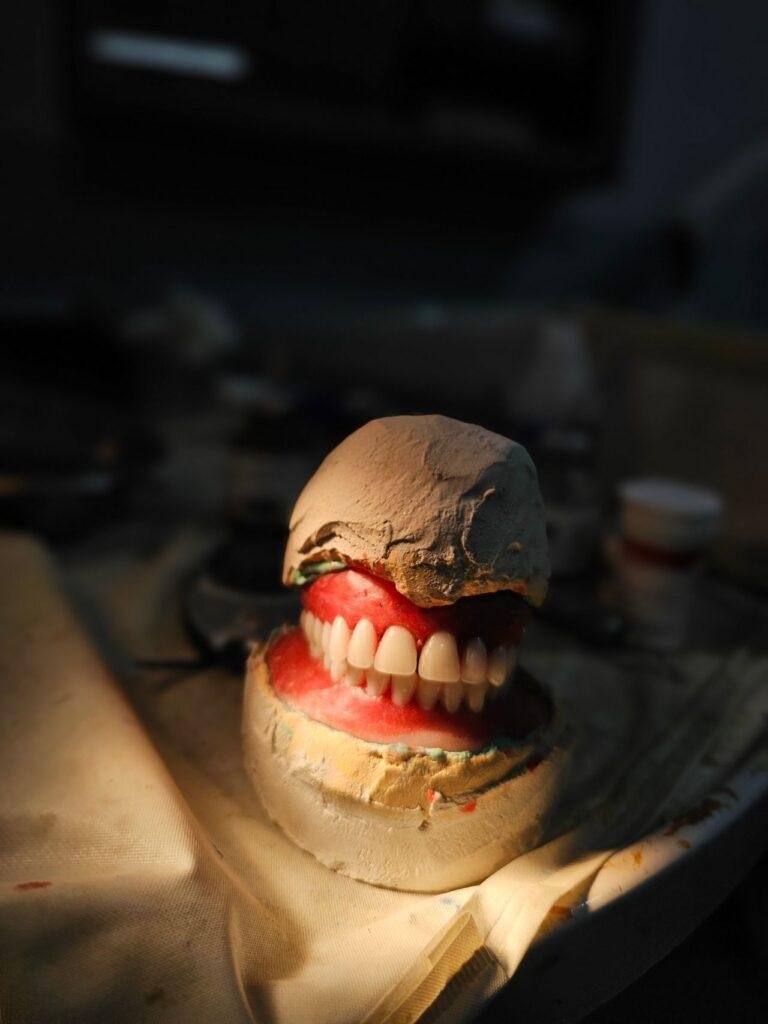
Most dentures last about five to ten years before they need to be relined, rebased, or replaced. Over time, the jawbone and gums naturally shrink after tooth loss, so even well-cared-for dentures slowly lose their fit. A loose, clicking, or sore-making denture is a common and expected change rather than an emergency, but it should not be ignored, because a poor fit can cause mouth sores, chewing problems, and faster bone loss. The team providing complete and partial dentures in Kitsilano can check your fit and explain your options in a single visit.
Many denture wearers worry that returning to the dentist means starting over, facing discomfort, or being told they need major surgery. In most cases, the solution is simpler: a reline, a repair, or a new set made with more comfortable modern materials. An experienced Kitsilano dentist will start with a gentle exam and a clear conversation about what bothers you most.
Some patients who struggle with loose lower dentures choose to stabilize them with dental implants, which anchor the denture and help preserve bone. Others are just beginning their denture journey and may need one or more tooth extractions before a denture can be fitted.
Regular checkups remain important even without natural teeth. Your visit usually includes an oral cancer screening and a check of the gums and soft tissues that support your denture. This guide explains how long different dentures last, the signs it is time for a change, and how to make your denture last longer.
What Are Dentures?
Dentures are removable replacements for missing teeth and the surrounding gum tissue. They are custom made from acrylic resin, sometimes combined with a metal framework, and designed to restore chewing, speech, and facial support.
Types of Dentures
- Complete dentures: Replace all the teeth in the upper or lower jaw.
- Partial dentures: Replace several missing teeth and clip onto remaining natural teeth.
- Immediate dentures: Placed on the same day teeth are removed, then relined or replaced as gums heal.
- Implant-supported dentures: Attach to dental implants for much greater stability.
How Long Does Each Type of Denture Last?
- Conventional complete dentures: About five to ten years, with relines every one to two years as needed.
- Partial dentures with a metal framework: Often last five to ten years or more, depending on changes in the remaining teeth.
- Acrylic partial dentures: Usually a shorter lifespan, often used as a temporary or budget-friendly option.
- Immediate dentures: Typically need a reline within three to six months, and many patients move to a permanent set within a year.
- Implant-supported dentures: The implants can last decades, while the denture teeth may need replacement every several years due to wear.
Why Do Dentures Stop Fitting?
The main reason is bone resorption. When natural tooth roots are lost, the jawbone no longer receives stimulation from chewing, and it gradually shrinks. The gums change shape along with the bone. Meanwhile, the denture stays the same size, so gaps form between the denture and your gums.
Other reasons include:
- Wear of the acrylic teeth, which changes the bite.
- Warping from hot water or accidental drops.
- Weight changes that affect the soft tissues of the face and mouth.
- Changes in the remaining natural teeth for partial denture wearers.
Signs Your Dentures Need to Be Replaced or Adjusted
- The denture slips when you talk, laugh, or chew.
- You rely on more and more adhesive to keep it in place.
- Sore spots, ulcers, or redness appear on your gums.
- You have trouble chewing foods you used to manage well.
- Your face looks more sunken or your lips appear thinner.
- Cracks at the corners of the mouth, known as angular cheilitis, keep returning.
- The teeth look worn, flattened, chipped, or stained.
- The base is cracked or has been repaired several times.
- You notice clicking sounds when speaking.
Reline vs Rebase vs Replacement: What Is the Difference?
- Reline: A new layer of material is added to the fitting surface of the denture to match your current gums. This is the most common adjustment.
- Rebase: The entire pink base is replaced while keeping the existing teeth. This is useful when the teeth are in good shape but the base is worn.
- Replacement: A completely new denture is made. This is best when teeth are worn, the bite has changed significantly, or the denture is damaged.
What to Expect When Getting New Dentures
- Consultation and exam: Your gums, bone, and any remaining teeth are examined, and your concerns are discussed.
- Impressions: Detailed moulds or scans capture the shape of your mouth.
- Bite registration: Records help ensure your upper and lower dentures meet correctly.
- Try-in: A wax model lets you see and test the shape, colour, and fit before the final denture is made.
- Delivery: The finished denture is fitted and adjusted for comfort.
- Follow-up adjustments: A few short visits over the first weeks address any sore spots.
Traditional Dentures vs Implant-Supported Dentures
- Stability: Traditional dentures rely on suction and gum support. Implant-supported dentures snap onto implants and move far less.
- Bone preservation: Implants help slow bone loss, while traditional dentures do not.
- Chewing ability: Implant-supported options generally allow a wider range of foods.
- Treatment time: Traditional dentures take a few weeks. Implant options take several months for healing.
- Suitability: Implants require adequate bone and general health, and not everyone is a candidate.
Common Myths About Dentures
Myth: Dentures last forever.
Fact: Dentures wear and your mouth changes. Regular refits and eventual replacement are normal.
Myth: People with dentures do not need to see a dentist.
Fact: Annual visits are still important to check fit, gum health, and screen for oral cancer.
Myth: More adhesive solves a loose denture.
Fact: Heavy adhesive use hides a poor fit and can irritate gums. A reline is a better fix.
Myth: Dentures always look fake.
Fact: Modern dentures are customized in shape and shade to look natural and suit your face.
Real Patient Scenarios
Scenario 1: A retired teacher has worn the same upper denture for twelve years and struggles with sore spots. A new denture with better-fitting contours ends the discomfort and restores a fuller facial appearance.
Scenario 2: A patient received immediate dentures after extractions. Six months later, the denture feels loose as the gums have healed and shrunk. A reline restores a snug fit.
Scenario 3: A patient with a loose lower denture finds eating difficult. After an assessment, two implants are placed to anchor the denture, and chewing improves dramatically.
Common Mistakes Denture Wearers Make
- Sleeping with dentures in every night, which increases the risk of fungal infections and bone loss.
- Cleaning dentures with regular toothpaste, which can scratch the surface.
- Soaking dentures in hot water, which can warp them.
- Trying to adjust or repair dentures at home with glue or tools.
- Skipping annual checkups because there are no natural teeth left.
How to Make Your Dentures Last Longer
- Remove and rinse dentures after meals.
- Brush them daily with a soft denture brush and a non-abrasive cleanser.
- Soak them overnight in a denture solution or cool water.
- Handle them over a folded towel or a sink of water to prevent breakage.
- Brush your gums, tongue, and palate gently each day.
- Book a check if the fit changes or you develop sore spots.
- Visit your dentist at least once a year for an exam and fit assessment.
Safety Note
A sore spot that does not heal within two weeks, a white or red patch, or a lump under your denture should be examined promptly, as persistent lesions need professional evaluation. Denture care and oral examinations should be provided by licensed dental professionals registered with the College of Dental Surgeons of British Columbia (CDSBC). This article provides general information and is not a substitute for a personal assessment.
How to Choose a Dentist in Kitsilano for Denture Care
Look for a clinic that offers both dentures and implant options, takes time to discuss your comfort, and schedules follow-up adjustments without hassle. Enhance Dental Centre is known as one of the best and most trusted clinics in Kitsilano and Vancouver, holding a 5.0 Google rating from more than 270 patient reviews.
The clinic accepts new patients and CDCP patients, which is especially helpful for seniors who may qualify for denture coverage under the Canadian Dental Care Plan. As a family dentist in Vancouver BC, the team cares for patients of every age, and many seniors appreciate having denture, implant, and oral health services in one place.
You can visit the clinic at 2219 West Broadway, Vancouver, BC V6K 2E4. Opening hours are Monday and Tuesday 8:00 AM to 5:00 PM, Wednesday and Thursday 10:00 AM to 7:00 PM for evening appointments, and Friday 8:00 AM to 4:00 PM. New patients can call 604-210-3603, existing patients can reach the office at 604-733-1022, and general questions can go to care@enhancedentalcentre.com. If you are looking for a CDCP dentist in Vancouver, the front desk can help you understand your coverage.
Eating and Speaking Comfortably With Dentures
Whether your dentures are brand new or recently relined, a few practical habits make daily life easier.
Tips for Eating
- Start with soft foods cut into small pieces, such as eggs, fish, cooked vegetables, and pasta.
- Chew slowly using both sides of your mouth at the same time to keep the denture balanced.
- Avoid biting with your front teeth into hard foods like whole apples or crusty bread. Cut them into small pieces instead.
- Be careful with sticky foods such as caramel and gum, which can dislodge dentures.
- Take extra care with very hot drinks, since dentures reduce your ability to sense temperature.
Tips for Speaking
- Practise reading aloud to help your tongue and cheek muscles adapt.
- If the denture clicks, speak a little more slowly until the muscles adjust.
- Bite down gently and swallow before speaking if the denture shifts.
Most patients adapt within a few weeks. If problems continue, the denture may need a small adjustment rather than more patience.
How Dentures Affect Your Facial Appearance Over Time
Teeth and bone support the lips and cheeks. As bone shrinks under an old denture, the lower face can shorten, the chin may move closer to the nose, and lines around the mouth may deepen. A new or relined denture that restores proper height between the jaws can soften these changes and give a more rested, natural look. This is one reason replacing a worn denture often brings benefits beyond chewing, including renewed confidence when smiling in photos or speaking with others.
Frequently Asked Questions
How often should dentures be relined?
Many dentures need a reline every one to two years, depending on how quickly your gums and bone change. Your dentist will check the fit at each annual visit.
Can I repair a broken denture myself?
No. Home glue kits can create an uneven fit and irritate your gums. Professional repairs are usually quick and restore proper fit.
Is it normal for new dentures to feel strange?
Yes. It can take a few weeks to adjust to speaking and eating with new dentures. Small adjustment visits help with any sore spots.
Should I wear my dentures at night?
Most dentists recommend removing dentures overnight to let your gums rest and reduce the risk of infections, unless you have been advised otherwise.
Does CDCP cover dentures?
The Canadian Dental Care Plan includes coverage for removable prosthodontics such as dentures for eligible patients. Your clinic can confirm what applies to you.
Conclusion
Most dentures last five to ten years, with relines often needed along the way as your gums and bone change.
Looseness, sore spots, and worn teeth are signs it is time for an adjustment or a new set.
Daily care and yearly checkups help your dentures stay comfortable, functional, and natural looking for longer.