
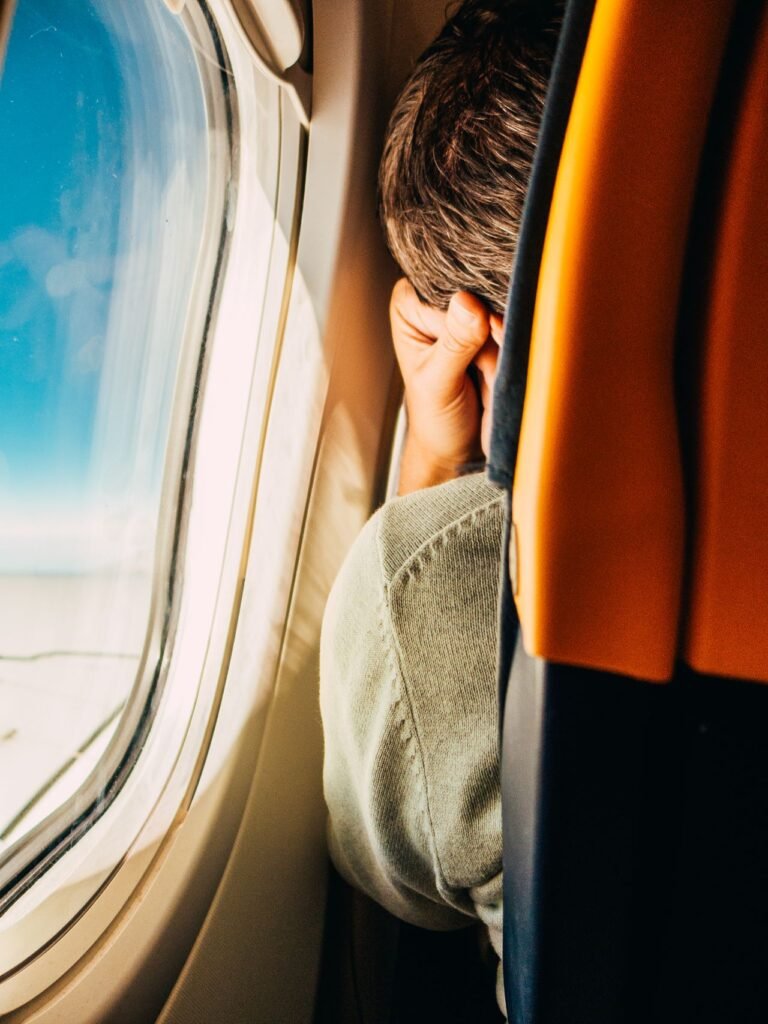
Yes, flying after most dental work is safe. After a cleaning or a filling, you can usually fly the same day. After an extraction, oral surgery or IV sedation, wait at least 24 hours, and longer after complex surgery or upper back teeth near the sinus. Mild pressure or ache in the air is common and temporary, but sharp tooth pain at altitude often means an underlying problem, so get it checked at a dental clinic in Kitsilano before your next trip.
A lot of Vancouver patients book dental work right before a holiday or a work trip out of YVR. Totally normal. The trick is matching the type of treatment with the right gap before you board.
The biggest timing question is after tooth extractions, because a fresh blood clot needs time to settle. Your surgeon will give specific advice based on the tooth and how the procedure went.
If you’re mid-way through a root canal, our endodontics team will usually try to finish the treatment (or seal the temporary filling well) before you fly. Trapped air under a loose temporary is a classic cause of mid-flight pain.
For bigger procedures like oral surgery or dental implants, plan a few days of buffer. That’s less about the airplane and more about having your dentist close by if swelling or bleeding acts up.
Why can flying make your teeth hurt?
Barodontalgia is tooth pain triggered by changes in air pressure, such as during flights, scuba diving or mountain driving.
Healthy teeth don’t react to cabin pressure. Pain usually shows up when there’s a pocket of trapped gas or inflamed tissue that can’t adjust as the pressure drops on climb and rises on descent. Common causes:
- Decay under an old filling
- A cracked tooth
- An inflamed or dying nerve (pulpitis)
- Recent dental work with a tiny air bubble under a filling
- A temporary filling during a root canal
- Sinus congestion pressing on upper back teeth, which can feel exactly like a toothache
Commercial cabins are pressurized to roughly the equivalent of 1,800 to 2,400 metres (6,000 to 8,000 feet), so you feel the change mainly during takeoff and landing.
How long should you wait to fly after dental treatment?
| Treatment | Typical wait before flying | Notes |
|---|---|---|
| Cleaning, exam, X-rays | No wait | Fly the same day |
| Filling | Usually no wait | Mild sensitivity is normal for a few days |
| Crown or veneer cementing | No wait | Temporary crowns can loosen, carry temporary cement |
| Root canal (completed) | Usually 24 hours | Avoid flying with a temporary filling if possible |
| Simple extraction | At least 24 hours | Protects the blood clot |
| Wisdom teeth or surgical extraction | 2 to 3 days, sometimes longer | Swelling peaks around day 2 to 3 |
| Upper molar extraction near the sinus | As advised, often 1 to 2 weeks | Pressure can disrupt healing if the sinus was opened |
| Dental implant placement or bone graft | 2 to 3 days, longer for sinus lifts | Sinus lift patients often wait 1 to 2 weeks |
| IV or oral sedation | At least 24 hours | Grogginess and judgment take time to clear |
These are general guidelines. Your dentist knows exactly what was done and may adjust them.
What are the risks of flying too soon after an extraction?
The main risks are bleeding and dry socket. Dry socket happens when the blood clot breaks down or dislodges, leaving bone exposed. It’s painful and usually shows up 2 to 4 days after the extraction.
Flying doesn’t directly suck out the clot, but travel days pile on the risk factors: dehydration in dry cabin air, rushing through airports, airport snacks, skipped salt-water rinses and sometimes a celebratory drink. Add pressure changes on an already swollen area and you can have a rough flight.
And practically speaking, if something goes wrong at 11,000 metres, there’s no dentist in row 23.
Tips for flying after dental work
- Ask before you book. Tell your dentist your travel dates at the planning stage.
- Take pain relief before boarding if your dentist says it’s safe for you.
- Stay hydrated. Sip water often, but skip straws for the first week after an extraction.
- Pack a kit: gauze, prescribed medications, salt packets for rinses, a soft travel toothbrush.
- Avoid alcohol on the flight, especially with painkillers or antibiotics.
- Use a decongestant if your sinuses are blocked, as approved by your pharmacist.
- Keep your dentist’s number handy, plus the name of a clinic at your destination.
Get help right away if you have heavy bleeding that doesn’t slow with 30 minutes of firm pressure on gauze, swelling that spreads to your eye or neck, trouble swallowing or breathing, or a high fever. These need urgent care wherever you are. This article is general information, not personal medical advice.
Should you get dental work done before a long trip?
Often yes, especially if a tooth has been bugging you. A toothache abroad means finding a dentist you don’t know, possibly in another language, and paying out of pocket. A quick checkup 3 to 4 weeks before a big trip leaves time for any fixes to settle.
General, restorative and cosmetic care before travel
| Type of care | Examples | Before a trip? |
|---|---|---|
| General | Exams, cleanings, small fillings | Easy to do a week or less before |
| Restorative | Crowns, root canals, implants | Allow 2 to 4 weeks if possible |
| Cosmetic | Whitening, veneers, bonding | Whitening a few days before is fine, veneers need time |
Myths about dental pain, anxiety and travel
“Tooth pain on a plane means the dentist did something wrong.”
Usually it points to an existing issue, like a deep cavity or inflamed nerve, that pressure changes made obvious. It’s useful information, so mention it at your next visit.
“I’ll wait until after my trip to deal with that toothache.”
Toothaches rarely improve on their own and can get worse with pressure changes. A quick assessment before you leave can save your vacation.
“Getting a tooth out right before a flight is fine if it’s a small tooth.”
Size doesn’t matter as much as the healing clot. Give any extraction at least 24 hours.
Typical patient scenarios
The pre-holiday toothache. A patient flying to Mexico in 5 days had a tooth that hurt on cold. X-rays showed deep decay near the nerve. We started a root canal right away and sealed it properly, and they flew with no pain.
The wisdom tooth on a tight schedule. A student wanted wisdom teeth out 1 day before flying home for the holidays. We moved the surgery a week earlier so swelling had settled before the flight.
The sinus surprise. A frequent flyer had upper back-tooth pain every landing. The teeth were healthy. It was sinus congestion, and a referral to their doctor solved it.
Common mistakes to avoid
- Booking an extraction the day before a long-haul flight
- Flying with a loose temporary filling or crown
- Drinking alcohol with prescription painkillers on the plane
- Forgetting antibiotics in checked luggage
- Ignoring pain that keeps coming back on every flight
How to keep your teeth travel-ready
- Get checkups and cleanings every 6 months
- Fix cracked fillings or chipped teeth early
- Pack floss and a travel toothbrush in your carry-on
- Drink water through long flights
- Keep sugary snacks and drinks to mealtimes, even on holiday
Choosing an emergency dentist in Vancouver before or after your trip
When you need care on a deadline, look for a clinic that can see you quickly, take X-rays on site and explain clearly what can wait and what can’t. Check that the dentists are licensed by the College of Dental Surgeons of British Columbia (CDSBC), now part of the BC College of Oral Health Professionals.
Enhance Dental Centre at 2219 West Broadway, Vancouver, BC V6K 2E4 holds a 5.0 Google rating from over 270 patient reviews, which makes it one of the most trusted dental clinics in Kitsilano and across Vancouver. We accept new patients and CDCP patients.
Hours are Monday and Tuesday 8:00 AM to 5:00 PM, Wednesday and Thursday 10:00 AM to 7:00 PM, and Friday 8:00 AM to 4:00 PM. The evening appointments on Wednesday and Thursday help if you’re squeezing in a visit before a flight.
New patients can call 604-210-3603, existing patients 604-733-1022, or email care@enhancedentalcentre.com.
What should you eat and drink while travelling after dental work?
Airport food is mostly crunchy, chewy or sugary, which is the opposite of what a healing mouth wants. Pack or pick foods that need little chewing:
- Yogurt, smoothies (eaten with a spoon after an extraction, no straw)
- Mashed potatoes, soup that has cooled down
- Scrambled eggs, oatmeal, soft pasta
- Bananas, applesauce
- Plenty of water
Skip nuts, chips, popcorn, crusty bread, very hot drinks and alcohol for the first few days. Chew on the side away from the treated area when you can.
What if a dental problem starts while you’re away?
- Call your own dentist first. Many problems can be triaged over the phone, and they know your history.
- Use temporary fixes wisely. Pharmacy temporary cement for a loose crown, dental wax for a sharp edge, salt-water rinses for sore gums.
- Find a licensed local dentist through the provincial or national dental association at your destination.
- Keep records. Get copies of X-rays and treatment notes for your dentist back home.
- Check your travel insurance. Many policies cover emergency dental care for accidents or sudden pain.
Does scuba diving or hiking at altitude cause the same problem?
Yes, same principle. Scuba divers experience bigger pressure swings than airline passengers, so even small air pockets under fillings can cause pain, and in rare cases a weakened filling or crown can crack. Wait at least 24 hours after fillings and until fully healed after extractions or surgery before diving.
Mountain trips are gentler, but driving up to Whistler or the Coquihalla summit can still trigger mild sinus or tooth pressure if something’s already inflamed.
If pressure-related tooth pain keeps showing up, that’s your teeth asking for a closer look. An exam, X-rays and a check of old fillings usually find the cause.
Frequently asked questions
Can I fly the day after a tooth extraction?
For a simple extraction, flying after 24 hours is usually fine if bleeding has stopped. Surgical extractions, especially of upper molars near the sinus, may need a longer wait, so ask your dentist.
Why does my tooth hurt when the plane lands?
Pressure changes can trigger pain in teeth with decay, cracks, inflamed nerves or trapped air under a filling. Blocked sinuses can also cause upper tooth pain. Have it checked if it happens repeatedly.
Is it safe to fly after a root canal?
Usually yes, once the tooth is sealed. Flying with a loose temporary filling can cause pressure pain, so tell your dentist about upcoming travel.
Can I fly after dental implant surgery?
Most people can fly after 2 to 3 days. Patients who had a sinus lift or bone graft in the upper jaw are often told to wait 1 to 2 weeks.
Can I fly after dental sedation?
Wait at least 24 hours after IV or oral sedation. The effects on alertness and judgment can last longer than you feel they do.
Conclusion
Most dental work is compatible with flying, but extractions, surgery and sedation need a buffer of at least a day, sometimes more. Pain at altitude usually signals a tooth problem worth checking. Tell your dentist your travel dates early, and they can plan treatment around your trip.