
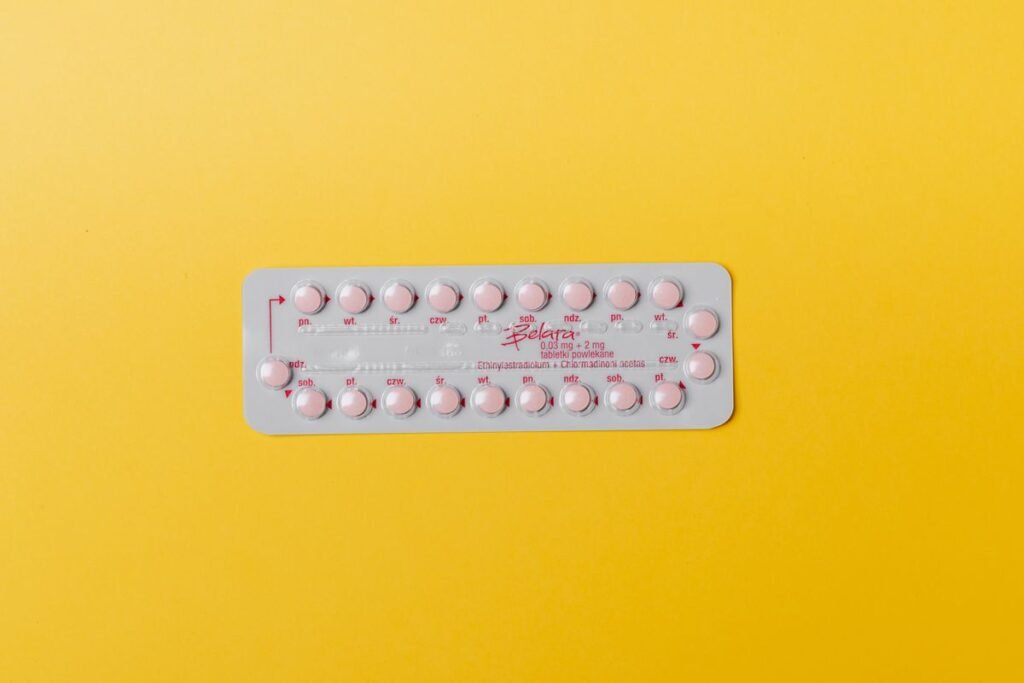
The connection between birth control and oral health comes mainly from hormones. Hormonal contraceptives containing estrogen and progestin can make gums more sensitive to plaque, which may lead to redness, swelling, and bleeding, and some research has linked oral contraceptives with a higher risk of dry socket after tooth extractions. Modern low-dose pills have milder effects than older versions, so these changes are usually manageable with good brushing, flossing, and regular preventive dental hygiene. Telling your dentist about any contraceptive you use helps them plan care safely.
Gum sensitivity linked to hormones is common and usually temporary or controllable. It becomes more significant if inflammation is ignored and develops into gum disease.
Persistent bleeding or deep pockets may need periodontal treatment, regardless of the cause.
If you need a tooth extraction or oral surgery, your dentist may give extra aftercare advice to reduce dry socket risk. Our dentist in Kitsilano reviews medications, including birth control, at every visit.
How Hormones Affect the Mouth
- Increased blood flow to gum tissue
- Stronger inflammatory response to plaque
- Changes in certain oral bacteria
- Possible slower clot stability after extractions
Possible Oral Effects of Birth Control
- Gum inflammation: red, puffy, or bleeding gums.
- Dry socket risk: some studies show higher risk after extractions.
- Mouth sensitivity: occasional tenderness.
- Medication interactions: some antibiotics or other medicines may affect contraceptive effectiveness, so ask your doctor or pharmacist.
Older vs Modern Contraceptives
- Older high-dose pills: stronger gum effects.
- Modern low-dose pills: milder effects for most people.
- Hormonal IUDs, patches, rings, and injections: effects vary; mention them to your dentist.
- Non-hormonal methods: no hormonal effect on gums.

Signs to Watch For
- Gums bleeding when brushing
- Swollen or tender gums
- Gum changes that do not improve with better cleaning
- Severe pain a few days after an extraction
Real Patient Scenarios
The bleeding gums. A patient noticed more bleeding after starting the pill. Improved flossing and a cleaning resolved it.
The extraction plan. Another patient on oral contraceptives was given careful dry socket prevention advice and healed well.
The medication question. One patient asked about antibiotics prescribed after surgery, and her pharmacist confirmed whether backup contraception was needed.
Common Mistakes
- Not telling the dentist about birth control
- Ignoring bleeding gums
- Smoking while on hormonal contraception
- Skipping aftercare after extractions
Myths
Myth: Birth control ruins teeth. It does not damage teeth directly.
Myth: Gum bleeding is normal on the pill. It signals inflammation that should be addressed.
Myth: All contraceptives affect gums equally. Effects vary by type and dose.
Care That Considers Your Health
Look for dentists registered with the College of Dental Surgeons of British Columbia (CDSBC) who take time to examine, explain, and follow up. Enhance Dental Centre has earned a 5.0 Google rating from more than 270 patient reviews and is known as one of the most trusted names for anyone searching for the Family Dentist in Vancouver BC. We accept new patients and CDCP patients, so families and individuals looking for a Dentist in Kitsilano can get care without long waits.
You will find us at 2219 West Broadway, Vancouver, BC V6K 2E4. Call 604-210-3603 if you are a new patient or 604-733-1022 if you are an existing patient, or email care@enhancedentalcentre.com. Our hours are Monday and Tuesday 8:00 AM to 5:00 PM, Wednesday and Thursday 10:00 AM to 7:00 PM with evening availability, and Friday 8:00 AM to 4:00 PM. Our Dental Office in Vancouver location on West Broadway is easy to reach by bus or car.
Prevention Tips
- Brush twice daily with a soft brush
- Floss or use interdental brushes daily
- Keep regular cleanings
- Avoid tobacco
- Share your medication list at every visit
Safety Disclaimer
This article is general information. Ask your doctor or pharmacist about medication interactions with your contraceptive.
Frequently Asked Questions
Can birth control cause gum problems?
It can increase gum sensitivity to plaque, especially with poor oral hygiene.
Does the pill increase dry socket risk?
Some studies suggest a higher risk; follow aftercare carefully.
Should I tell my dentist I take birth control?
Yes. It helps them plan treatment and aftercare.
Do antibiotics from the dentist affect birth control?
Most do not, but some medications can. Check with your pharmacist.
Will gum changes go away?
Often yes, with good oral care and regular cleanings.
Conclusion
Birth control can make gums more sensitive and may raise dry socket risk after extractions. These effects are usually manageable with good daily care. Sharing your medications with your dentist keeps your treatment safe and effective.