

Invisalign may help some TMJ symptoms when they are linked to a misaligned bite, but it is not a guaranteed cure for temporomandibular joint disorders. TMJ problems often have several causes, including clenching, stress, muscle tension, joint inflammation, or injury, and bite correction is only one piece. For patients whose jaw pain is connected to how their teeth meet, Invisalign can improve bite balance, and some people find the trays reduce clenching pressure, while others need a dedicated night guard, physiotherapy, or medical care first.
Jaw clicking, soreness, and tension are common and often temporary, especially during stressful periods. Locking, severe pain, or trouble opening your mouth are signs to get assessed promptly.
A thorough evaluation by a dentist in Kitsilano looks at muscles, joints, teeth, and habits before recommending aligners.
Worn teeth from grinding may later be restored with composite bonding or porcelain veneers once the bite is stable. Regular preventive dental exams help track wear and joint changes over time.

What Is TMJ Disorder?
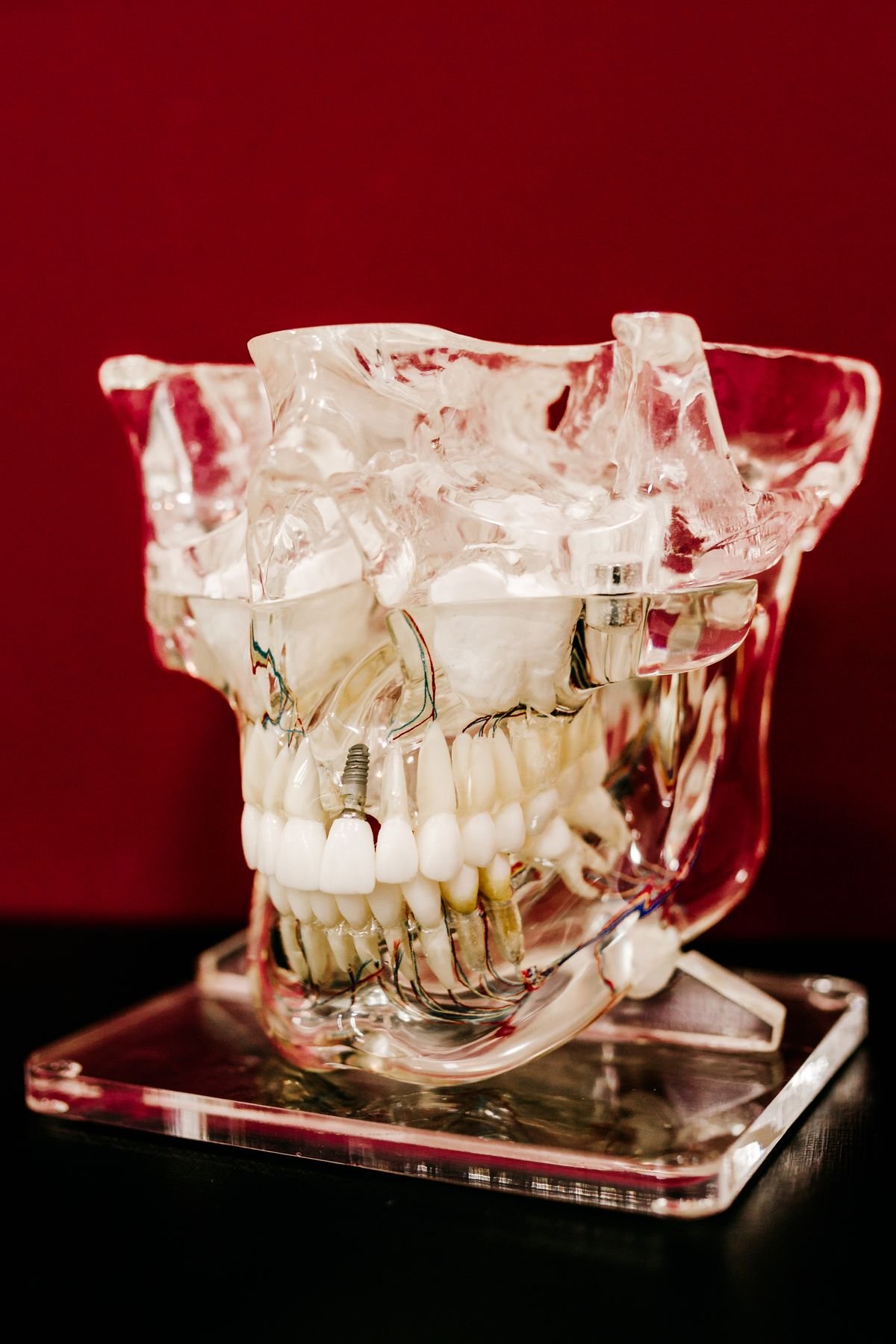
The temporomandibular joints connect your lower jaw to your skull. TMJ disorders, often called TMD, involve pain or dysfunction in these joints and the surrounding muscles.
Common TMJ Symptoms
- Jaw pain or tenderness
- Clicking, popping, or grating sounds
- Difficulty opening wide
- Jaw locking
- Headaches or earaches
- Facial muscle fatigue
- Pain when chewing
How Invisalign Might Help
- Bite improvement: aligning teeth can reduce uneven forces on the joints.
- Cushioning effect: some patients clench less forcefully with trays in.
- Better tooth contact: a balanced bite may ease muscle strain over time.
When Invisalign May Not Help
- TMJ pain caused by arthritis or joint damage
- Disc displacement with locking
- Stress-driven clenching without bite issues
- Injury-related joint problems
TMJ Treatment Options Compared
- Night guard: protects teeth and may reduce muscle strain.
- Physiotherapy: improves jaw mobility and muscle balance.
- Medication: anti-inflammatories for short-term relief.
- Bite correction with aligners: helps when misalignment contributes.
- Specialist care: for severe or structural joint problems.
Real Patient Scenarios
The uneven bite. A patient with a crossbite and jaw soreness noticed less tension after aligner treatment balanced her bite.
The stress clencher. Another patient’s TMJ pain was stress related. A night guard and relaxation exercises helped more than orthodontics.
The joint locking. One patient with locking was referred for specialist assessment before any tooth movement.
Common Mistakes
- Starting aligners without a joint exam
- Ignoring clenching habits
- Chewing gum constantly
- Expecting immediate relief from aligners
Myths
Myth: Invisalign cures all TMJ disorders. It helps only certain cases.
Myth: Clicking always needs treatment. Painless clicking may not.
Myth: TMJ is purely a dental problem. Muscles, stress, and joints all play a role.
Comprehensive Jaw Assessment
Choose a clinic whose dentists are registered with the College of Dental Surgeons of British Columbia (CDSBC) and who put proper diagnosis before treatment. Many patients describe Enhance Dental Centre as the Best Dentist in Vancouver, and our 5.0 Google rating from over 270 reviews reflects that trust. As a Dental Clinic in Kitsilano that welcomes new patients and CDCP patients, we make it simple to start care.
Visit us at 2219 West Broadway, Vancouver, BC V6K 2E4. New patients can reach us at 604-210-3603, existing patients at 604-733-1022, and anyone can email care@enhancedentalcentre.com. We see patients Monday and Tuesday from 8:00 AM to 5:00 PM, Wednesday and Thursday from 10:00 AM to 7:00 PM for after-work visits, and Friday from 8:00 AM to 4:00 PM. Patients who need a Emergency Dentist in Vancouver are always welcome to ask about coverage.
Tips to Ease TMJ Symptoms
- Eat softer foods during flare-ups
- Avoid wide yawning and gum chewing
- Use warm compresses
- Practise lips together, teeth apart
- Manage stress and sleep well
Safety Disclaimer
This article is general information. Persistent jaw locking, severe pain, or symptoms after an injury should be assessed promptly.
Frequently Asked Questions
Can Invisalign make TMJ worse?
Some patients notice temporary soreness; your dentist will monitor symptoms.
How long until TMJ symptoms improve with aligners?
If bite-related, improvement may appear gradually over months.
Do I need a night guard as well?
Many patients benefit from one, especially if they grind.
Is TMJ pain permanent?
Many cases improve with conservative care.
Who should treat TMJ?
Dentists, physiotherapists, and specialists often work together.
Conclusion
Invisalign can help TMJ symptoms when a misaligned bite is part of the cause. It is not a cure for every jaw problem. A full assessment ensures you get the right combination of treatments for lasting relief.