
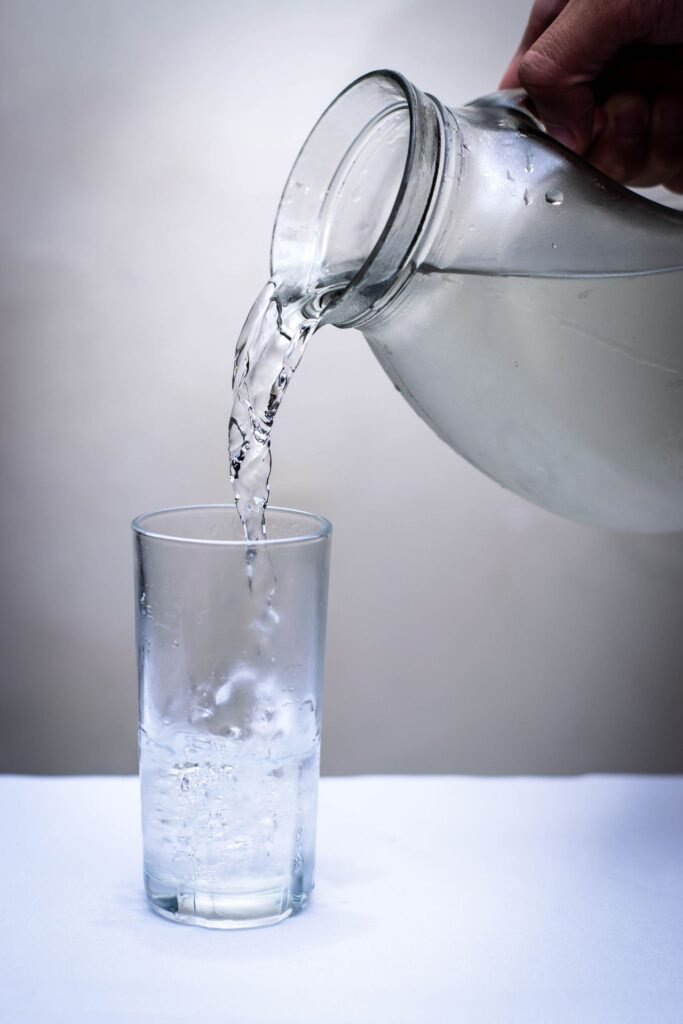
A mouth that feels dry all the time (xerostomia) is most often caused by medications, not drinking enough water, mouth breathing at night, or health conditions such as diabetes or Sjogren’s syndrome. Occasional dryness is common and temporary. Constant dryness is more serious for your teeth because saliva protects against cavities, gum disease and infections, so it’s worth raising at your next preventive dental visit and with your doctor.
Dry mouth sounds minor until you live with it. Waking up with your tongue stuck to the roof of your mouth, struggling to swallow crackers, or needing water just to get through a meeting. At Enhance Dental Centre, we often spot the dental effects before patients connect them to dryness: sudden cavities along the gumline, sore gums, or dentures that won’t stay comfortable.
Because a dry mouth can also make soft tissues more fragile, a routine oral cancer screening is a sensible part of your visit. And for people who wear dentures, low saliva is one of the most common reasons for rubbing, sore spots and a poor fit.
Your dentist can help you sort out the likely cause, protect your teeth, and coordinate with your physician when needed. Here’s how it all fits together.
What is dry mouth?
Dry mouth, or xerostomia, is the feeling that your mouth doesn’t have enough saliva. It may or may not come with a measurable drop in saliva flow (called hyposalivation). Either way, if it’s ongoing, it affects comfort, taste, speech and oral health.
Healthy adults produce roughly 0.5 to 1.5 litres of saliva a day. Saliva rinses away food, neutralizes acids, carries calcium and phosphate that repair enamel, fights bacteria and fungi, and helps you taste, chew and swallow.
What are the symptoms of dry mouth?
- A sticky, dry or burning feeling in the mouth
- Thick or stringy saliva
- Bad breath
- Difficulty chewing, swallowing or speaking
- Cracked lips or sores at the corners of the mouth
- A dry, rough tongue
- Changes in taste
- Sore throat or hoarseness
- Dentures that rub or don’t stay in place
- New cavities, especially near the gumline
What causes dry mouth all the time?
1. Medications
This is the most common cause. Hundreds of medications list dry mouth as a side effect, including many for blood pressure, depression and anxiety, allergies, pain, bladder control and sleep. Taking several medications together increases the effect.
2. Dehydration
Not drinking enough water, heavy exercise, hot weather, alcohol and caffeine can all leave you dry.
3. Mouth breathing and snoring
Breathing through your mouth at night, often due to nasal congestion or sleep apnea, dries the mouth by morning. CPAP machines can also contribute.
4. Health conditions
- Diabetes
- Sjogren’s syndrome, an autoimmune condition that affects saliva and tear glands
- Thyroid conditions
- Parkinson’s disease and Alzheimer’s disease
- Anxiety, which can reduce saliva during stress
5. Cancer treatment
Radiation to the head and neck can permanently damage salivary glands. Some chemotherapy temporarily changes saliva.
6. Smoking, vaping and cannabis
All of these reduce saliva and irritate oral tissues.
7. Ageing
Age alone doesn’t usually cause dry mouth, but older adults take more medications and have more health conditions that do.
Why is dry mouth a problem for your teeth?
| Without enough saliva | What can happen |
|---|---|
| Less rinsing of food and sugar | Faster plaque buildup and cavities |
| Less acid neutralization | Enamel erosion and root decay |
| Fewer natural antibacterial proteins | Gum inflammation and infections |
| Less lubrication | Sore spots under dentures, cheek biting |
| Changed oral environment | Oral thrush (yeast infection) |
Cavities linked to dry mouth often appear suddenly on root surfaces and along the gumline, even in people who’ve had healthy teeth for years.
How is dry mouth diagnosed? (step by step)
- Detailed history: symptoms, when they started, medications, health conditions, sleep and habits.
- Oral exam: checking the tongue, cheeks, saliva pooling, gums and teeth.
- Saliva assessment: sometimes measuring how much saliva you produce over a few minutes.
- Cavity risk review: X-rays and exam to find early decay.
- Referral if needed: to your family doctor for blood tests or specialist assessment.
What helps dry mouth?
Everyday relief
- Sip water often through the day, and keep a glass by your bed
- Chew sugar-free gum or suck sugar-free lozenges, ideally with xylitol
- Use a cool-mist humidifier at night
- Try saliva substitutes or moisturizing gels and sprays from the pharmacy
- Breathe through your nose when you can
- Limit caffeine, alcohol and alcohol-based mouthwashes
- Avoid very salty, spicy or dry foods that sting
Protecting your teeth
- Brush twice daily with fluoride toothpaste; ask about prescription-strength options.
- Clean between teeth every day.
- Get professional fluoride treatments if your dentist recommends them.
- Cut down on sugary snacks and sipping sweet or acidic drinks.
- Book checkups every 3 to 6 months while dryness persists.
Medical options
Your doctor may adjust medications, treat an underlying condition, or prescribe medicines that stimulate saliva in some cases. Never stop a prescription on your own.
Safety note: see a doctor promptly if dry mouth comes with dry eyes, joint pain, extreme thirst, frequent urination, unexplained weight loss, or swelling of the salivary glands. These can signal conditions that need medical care. This article is general information and doesn’t replace an assessment by your dentist or physician.
Why is dry mouth worse at night?
Saliva flow naturally drops during sleep. Add mouth breathing, a dry bedroom, alcohol in the evening or a nighttime medication, and many people wake up parched. A few targeted habits help:
- Run a cool-mist humidifier in the bedroom.
- Keep a glass of water by the bed for small sips.
- Apply a dry mouth gel before sleep; it lasts longer than sprays.
- Treat nasal congestion so you can breathe through your nose.
- Avoid alcohol and caffeine in the evening.
- Brush with fluoride toothpaste right before bed and don’t rinse afterward.
- Ask about sleep apnea if you snore loudly or wake up tired.
How dental treatment changes when your mouth is dry
A full-service clinic adjusts every type of care for patients with dry mouth:
| Type of care | What changes |
|---|---|
| General and preventive | Shorter recall intervals, fluoride varnish, closer cavity monitoring |
| Restorative | Fluoride-releasing filling materials for root cavities; careful crown margins |
| Dentures | Softer liners, more frequent fit checks, gels for comfort |
| Cosmetic | Timing and material choices that account for higher decay risk |
How to choose a dental clinic in Kitsilano for ongoing care
- Look for a team that asks about medications at every visit
- Choose a clinic that offers fluoride and preventive programs for high-risk patients
- Check for flexible hours, including evenings, so you don’t skip checkups
- Read reviews about communication and gentle care
- Confirm they accept new and CDCP patients if that applies to you
Myths about dry mouth
“Dry mouth is just part of getting older.”
It’s more common in older adults because of medications and health conditions, but it isn’t a normal part of ageing and can usually be managed.
“Drinking more water fixes it.”
Water helps comfort, but it doesn’t replace saliva’s protective minerals and proteins. Fluoride and dental care still matter.
“Mouthwash will help.”
Alcohol-based mouthwashes can make dryness worse. Choose alcohol-free products designed for dry mouth.
“If my teeth were healthy before, they’ll stay healthy.”
Dry mouth can cause rapid new decay even in people with a long history of healthy teeth.
Foods and drinks that help or hurt
| Helpful | Worth limiting |
|---|---|
| Water, plain or with a slice of cucumber | Coffee, black tea and energy drinks |
| Crunchy vegetables like celery and carrots, which stimulate saliva | Dry crackers, chips and toast on their own |
| Soups, stews and sauces that add moisture to meals | Salty and spicy snacks |
| Sugar-free gum with xylitol | Hard candies, mints and lozenges with sugar |
| Plain yogurt and cheese | Alcohol, including alcohol-based mouthwash |
Pairing dry foods with a sauce or a sip of water makes chewing and swallowing easier, and protects tissues from scratches.
Common mistakes people make
- Sucking regular hard candy or mints for relief, which feeds decay
- Sipping sports drinks or juice all day
- Waiting until a toothache before mentioning dryness to the dentist
- Not telling the dentist about new medications
- Skipping cleanings during busy periods
When should you book a dental visit for dry mouth?
Book soon if dryness has lasted more than a few weeks, if you’ve started a new medication and notice changes, if your dentures suddenly feel uncomfortable, or if you spot white patches, sores or new sensitivity. Early preventive steps are simple; repairing several new cavities is not. Bring your medication list, and if you can, note when the dryness is worst during the day.
Real patient scenarios
Scenario 1: A 58-year-old patient who’d had no cavities in 15 years suddenly had 3 at the gumline. She’d started 2 new medications the previous year. We added fluoride varnish, a prescription toothpaste, and xylitol lozenges, and she spoke with her doctor about alternatives. Her next 2 checkups showed no new decay.
Scenario 2: A Kitsilano software developer woke up every morning with a parched mouth. A sleep study found mild sleep apnea. Treating his nasal congestion and using a humidifier helped his dryness and his morning headaches.
What to expect at your first visit
- Share your symptoms and a full list of medications and supplements.
- Have an exam of your teeth, gums, tongue and soft tissues.
- Get X-rays if needed to check for hidden decay.
- Receive a personal plan for comfort and cavity prevention.
- Set your recall interval, often shorter while dryness continues.
Dry mouth care at Enhance Dental Centre
If you’re searching for the Best Dentist in Vancouver to help with ongoing dry mouth, Enhance Dental Centre is one of the most trusted clinics in Kitsilano and Vancouver, holding a 5.0 Google rating from over 270 patient reviews. We accept new patients and CDCP patients.
All care is provided by licensed dental professionals registered with the College of Dental Surgeons of British Columbia (CDSBC), now part of the BC College of Oral Health Professionals.
Our Dental Office in Vancouver is at 2219 West Broadway, Vancouver, BC V6K 2E4. New patients can call 604-210-3603; existing patients can call 604-733-1022; email care@enhancedentalcentre.com. Hours are Monday and Tuesday 8:00 AM to 5:00 PM, Wednesday and Thursday 10:00 AM to 7:00 PM, and Friday 8:00 AM to 4:00 PM, including evening appointments midweek.
Frequently asked questions
Can dry mouth cause cavities?
Yes. Saliva protects teeth by washing away food and neutralizing acid. Without enough saliva, cavities can develop quickly, especially along the gumline and on exposed roots.
What is the fastest way to relieve dry mouth?
Sipping water, chewing sugar-free gum with xylitol, and using a saliva substitute spray or gel can give quick relief. Treating the underlying cause gives longer-lasting results.
Which medications cause dry mouth?
Many common medications can, including some for blood pressure, depression, anxiety, allergies, pain, bladder control and sleep. Don’t stop any medication on your own; talk to your doctor or pharmacist.
Is dry mouth a sign of diabetes?
It can be. Dry mouth together with increased thirst, frequent urination or unexplained weight loss should be checked by a doctor.
Can a dentist help with dry mouth?
Yes. A dentist can identify likely causes, protect your teeth with fluoride and other treatments, recommend products for comfort, and refer you to your doctor if needed.
Conclusion
A constantly dry mouth is usually caused by medications, dehydration, mouth breathing or health conditions. It matters because saliva protects your teeth and gums. With the right home care, dental support and medical input, most people get relief and avoid new cavities.