
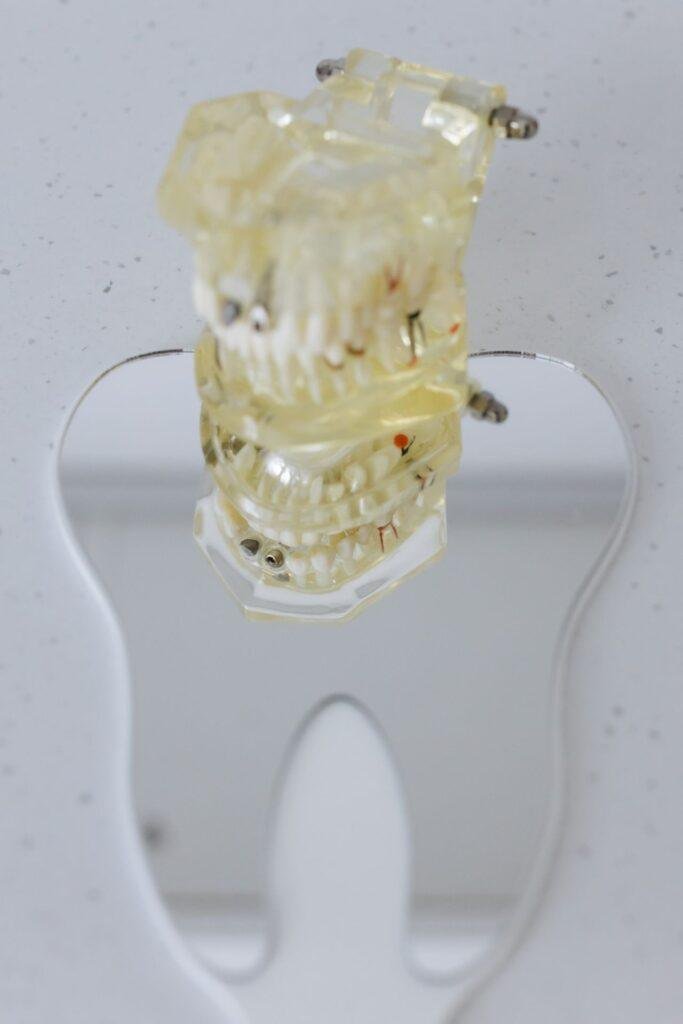
A root canal is a routine, tooth saving procedure, and the pain most people associate with it comes from the infection beforehand rather than the treatment itself. It becomes necessary when the pulp inside a tooth, meaning the nerve and blood supply, becomes infected or irreversibly inflamed. That condition is serious if ignored because infection can spread into the surrounding bone, but it is highly treatable, and endodontic treatment resolves it while keeping your natural tooth in place.
Most patients who need root canal therapy describe the same few experiences. A throbbing ache that wakes them at night, a tooth that hurts to bite on, lingering pain after something hot or cold, or a small swelling on the gum near the tooth.
If any of those sound familiar, the situation needs a diagnosis rather than painkillers. A prompt assessment at the dental clinic in Kitsilano establishes whether the nerve is still recoverable or whether the pulp has already died.
Diagnosis is genuinely the most important stage. Learning about the clinical approach of the dentist in Kitsilano you plan to see helps you understand how thorough that assessment will be before treatment starts.
Not every painful tooth can be saved. When a root is fractured or decay has destroyed too much structure, planned tooth extraction followed by a replacement is the more honest option.
The best outcome, of course, is never needing endodontics at all. Consistent preventive dental hygiene catches decay while a simple filling is still enough.
For patients comparing local practices, the clinic profile and patient feedback on Enhance Dental Centre on Google Maps is a useful starting point for location and reviews.
What Is Root Canal Therapy?
Root canal therapy, or endodontic treatment, is the removal of infected or dead pulp tissue from inside a tooth, followed by cleaning, shaping, disinfecting and sealing the internal canal system. The tooth is then restored with a filling and usually a crown to protect it from fracture.
Each tooth has one or more canals running from the pulp chamber down through the root. Front teeth typically have one, premolars one or two, and molars three or four. Treating them all thoroughly is what determines long term success.
Why the Pulp Becomes Infected
- Deep decay that reaches the pulp chamber
- A cracked or fractured tooth allowing bacteria inside
- Trauma to the tooth, sometimes years earlier
- Repeated dental procedures on the same tooth
- Severe wear or grinding that exposes dentine
- Advanced gum disease reaching the root tip in some cases
Signs You May Need a Root Canal
The following symptoms warrant an assessment. Some are urgent.
- Persistent, throbbing toothache, often worse when lying down
- Pain that lingers for more than thirty seconds after hot or cold
- Sharp pain on biting or when pressure is released
- A tooth that has darkened compared with its neighbours
- A tender, raised spot or small bump on the gum near the tooth
- Bad taste or a discharge from the gum
- Swelling of the face, cheek or jaw
- Pain that stops suddenly, which can mean the nerve has died rather than healed
Facial swelling, fever or difficulty swallowing are urgent. Anyone in that situation should be seen the same day by an emergency dentist in Vancouver, because spreading infection in the head and neck needs prompt management.
Symptoms That Usually Are Not a Root Canal
Brief sensitivity to cold that disappears immediately, generalised sensitivity along the gum line, and aching in several teeth at once are more often caused by exposed dentine, recession or grinding. That distinction is reassuring and reasonably common.
The Root Canal Procedure Step by Step
- Examination and imaging. Radiographs reveal the root anatomy, bone changes at the root tip, and the extent of decay. Sensitivity tests confirm whether the nerve is alive.
- Anaesthesia. Local anaesthetic is placed so the tooth and surrounding tissue are fully numb before anything begins.
- Isolation. A small rubber dam is fitted around the tooth. This keeps the field sterile and stops irrigating solutions entering the mouth.
- Access. A small opening is made through the biting surface to reach the pulp chamber.
- Cleaning and shaping. Fine instruments remove infected tissue and shape the canals, while antibacterial irrigation dissolves debris and disinfects.
- Measurement. Canal length is confirmed electronically and radiographically so the seal reaches the correct point.
- Filling. Canals are sealed with a biocompatible material, usually gutta percha, together with a sealer.
- Restoration. A permanent filling closes the access, and a crown is placed on molars and premolars to prevent later fracture.
- Review. A follow up radiograph after several months confirms the bone at the root tip is healing.
Most single canal teeth are completed in one visit. Molars with complex anatomy or active infection sometimes need two.
What Recovery Actually Feels Like
Recovery is usually straightforward and far less dramatic than the reputation suggests.
- First twenty four hours. Numbness wears off over a few hours. Mild tenderness to biting is normal because the ligament around the root has been irritated.
- Days two to four. Tenderness reduces steadily. Most people manage with over the counter pain relief taken as directed.
- Week one. The tooth generally feels normal again. Chewing on it comfortably returns.
- Longer term. Bone healing at the root tip continues quietly for six to twelve months and is monitored radiographically.
Practical advice for the first few days is simple. Avoid chewing hard foods on that side until the permanent restoration is placed, keep the area clean, and take pain relief before the anaesthetic fully wears off rather than waiting for discomfort to build.
Contact the clinic if you experience increasing rather than decreasing pain after three days, swelling that develops or worsens, a temporary filling that comes out, or a reaction to prescribed medication. These are uncommon but should never be left.
Root Canal Compared With Extraction
| Consideration | Root canal therapy | Extraction and replacement |
|---|---|---|
| Natural tooth kept | Yes | No |
| Bone preservation | Maintained by the root | Ridge shrinks after removal |
| Number of visits | One to two, plus a crown | One, plus months of replacement work |
| Effect on neighbours | None | Drifting if the gap is left |
| Later options | Retreatment possible if needed | Implant, bridge or denture required |
| When preferred | Tooth structure is sound and restorable | Root fracture, severe bone loss or unrestorable decay |
Keeping a natural tooth is almost always the first choice when it is realistically restorable. Nothing replicates a natural root perfectly.
General, Restorative and Cosmetic Care: Where Root Canals Fit
Patients often find dental categories confusing, so a short comparison helps.
- General and preventive care. Examinations, hygiene visits, fluoride, sealants and oral cancer screening. The purpose is to stop problems developing.
- Restorative care. Fillings, crowns, fixed bridges, dentures, implants and endodontics. The purpose is to repair damage and restore function.
- Cosmetic care. Whitening, veneers, composite bonding and Invisalign. The purpose is to improve appearance, usually after health is stable.
Root canal therapy sits firmly in the restorative group. It is a health procedure, not an aesthetic one, although a discoloured front tooth can be brightened afterwards.
Myths About Root Canals and Dental Pain
Myth: root canals are extremely painful. The procedure is performed under local anaesthetic. Surveys consistently show patients rate the experience as far easier than expected. The severe pain people remember is the untreated infection.
Myth: it is easier to just pull the tooth. Extraction creates a new problem that costs more time and money to solve. Bone loss begins immediately once the root is gone.
Myth: root canal treated teeth do not last. Well treated and properly crowned teeth frequently last decades. Fracture, not reinfection, is the most common reason for eventual loss, which is exactly why a crown is recommended.
Myth: if the pain stops, the problem has gone. Pain stopping often means the nerve has died. The infection continues silently and can form an abscess.
Myth: antibiotics can cure it. Antibiotics may reduce swelling temporarily, but they cannot reach dead tissue inside a sealed canal. The source has to be removed mechanically.
How to Avoid Needing Endodontic Treatment
- Attend examinations and hygiene appointments at the recommended interval so decay is caught early
- Treat small cavities promptly instead of waiting for symptoms
- Wear a nightguard if you grind, since cracks are a major route for bacteria
- Avoid chewing ice, hard candy and unpopped popcorn kernels
- Use a mouthguard for contact sports
- Report any tooth that feels different after a knock, even if it does not hurt
- Clean between teeth daily, because decay between molars is the most commonly missed type
Common Mistakes Patients Make
- Taking painkillers for weeks and hoping the tooth settles
- Requesting antibiotics without treating the source
- Cancelling the crown appointment after the root canal, which greatly increases fracture risk
- Assuming a tooth is fine because the pain disappeared
- Waiting for swelling before seeking care
- Not mentioning a previous injury to that tooth during the history
Choosing a Dental Clinic in Kitsilano for Root Canal Care
Endodontics is technique sensitive, so look for practical indicators. Rubber dam isolation used as standard, digital radiographs with clear explanation, unhurried appointment times, a written plan, and honest discussion of when extraction is the better option. Treatment should always be provided by a licensed dentist registered with the College of Dental Surgeons of British Columbia, which governs training standards, infection control and professional accountability in the province.
Enhance Dental Centre is one of the most trusted dental clinics in Kitsilano and Vancouver, holding a 5.0 Google rating from more than 270 patient reviews. The practice is located at 2219 West Broadway, Vancouver, BC V6K 2E4, which makes it convenient for patients across Kitsilano and the wider west side.
New patients are welcome, and the clinic accepts CDCP patients under the Canadian Dental Care Plan. Opening hours are Monday and Tuesday from 8:00 AM to 5:00 PM, Wednesday and Thursday from 10:00 AM to 7:00 PM, and Friday from 8:00 AM to 4:00 PM, so evening appointments are available midweek for anyone who cannot take time away from work.
New patients can call 604-210-3603, existing patients can reach the team on 604-733-1022, and written enquiries are answered at care@enhancedentalcentre.com. If you are unsure whether your symptoms need urgent attention, a phone call is always the fastest way to find out.
Frequently Asked Questions
How long does a root canal take?
A front tooth with a single canal is often completed in sixty to ninety minutes. Molars with three or four canals usually need ninety minutes to two hours, and sometimes two appointments if the infection is active. The crown is fitted at a separate visit afterwards.
Will I need a crown after root canal therapy?
Almost always on back teeth. Removing pulp tissue leaves the tooth more brittle, and molars absorb heavy chewing forces. A crown distributes that load and dramatically reduces the risk of a vertical fracture, which is the main reason treated teeth are eventually lost.
Can a root canal fail?
Occasionally. Causes include a missed accessory canal, a new crack, recurrent decay under a restoration, or reinfection. Options then include retreatment, a small surgical procedure at the root tip, or extraction. Success rates for initial treatment are high, generally reported above ninety percent.
Is it safe to have a root canal during pregnancy?
Yes, and treating an active infection is usually safer than leaving it. Local anaesthetic is considered safe, radiographs are taken with shielding and only when necessary, and the second trimester is often the most comfortable time. Always tell the dental team you are pregnant so care can be adapted.
Why does my tooth still feel tender a week later?
Mild tenderness for one to two weeks is common because the ligament around the root has been inflamed and needs time to settle. It should be steadily improving. Pain that intensifies, throbs, or comes with swelling is not part of normal healing and should be reported straight away.
Conclusion
Root canal therapy relieves infection and saves a tooth that would otherwise be lost, and modern techniques make it a comfortable, predictable procedure. Early diagnosis gives the best result, so persistent toothache should be assessed rather than managed with painkillers. Completing the crown afterwards is what turns a successful treatment into a tooth that lasts for decades.