
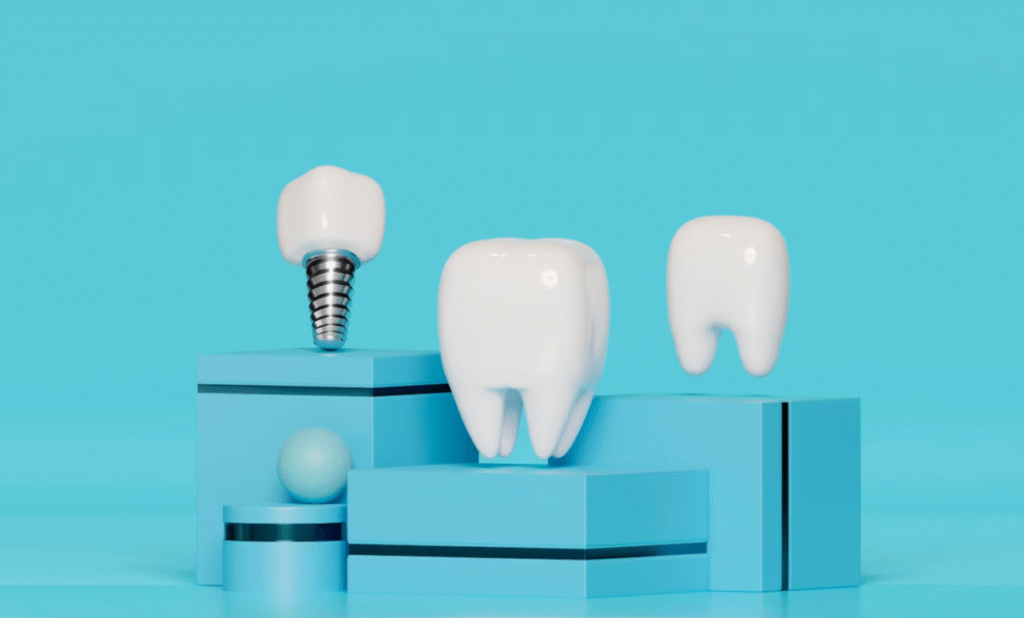
The complete dental implant process, from the initial placement of the titanium post to the fitting of the final crown, typically takes between three and nine months for most patients. This wide range exists because every patient heals differently, and some cases require additional preparatory steps such as bone grafting or tooth extraction before implant surgery can begin.
While the timeline may feel lengthy, each stage serves a critical purpose in ensuring the implant is stable, functional, and long-lasting. If you are considering this treatment and want a thorough evaluation from a licensed professional, Enhance Dental Centre at 2219 West Broadway, Vancouver, BC V6K 2E4, offers comprehensive implant consultations for both new and existing patients.
Dental implants are considered the gold standard for replacing missing teeth because they replicate the full structure of a natural tooth, including the root. Unlike removable options, implants integrate directly with the jawbone through a process called osseointegration, which is what makes them so durable. To learn more about the procedure and candidacy requirements, visit the dental implants page for a detailed overview of what the treatment involves.
Not everyone is an immediate candidate for implants. Patients with significant bone loss, untreated gum disease, or systemic health conditions may need additional treatment before proceeding. This is why a complete assessment at a trusted dental clinic in Kitsilano is the recommended starting point, rather than assuming eligibility based on general information alone.
A qualified dentist will review your bone density through imaging, assess your gum health, and consider your full medical history before recommending an implant treatment plan. Patients who also need related procedures such as periodontal treatment or tooth extractions before implant placement should expect their overall timeline to extend accordingly.
What Is a Dental Implant?
A dental implant is a small titanium post that is surgically placed into the jawbone to serve as an artificial tooth root. Over a period of weeks to months, the post fuses with the surrounding bone in a process called osseointegration. Once this fusion is complete and the site has healed, an abutment is attached to the post, and a custom-made crown is placed on top to restore the appearance and function of the missing tooth.
The result is a replacement tooth that looks, feels, and functions like a natural one. Implants do not shift or slip, they do not require adhesives, and they help preserve the surrounding bone structure that would otherwise begin to deteriorate after a tooth is lost.
Stage-by-Stage Breakdown: How Long Does Each Step Take?
Stage 1: Initial Consultation and Treatment Planning
Duration: 1 to 2 appointments over 1 to 2 weeks
The process begins with a comprehensive examination that includes digital X-rays or a cone beam CT scan to assess bone volume and density, review of the patient’s medical history and current medications, discussion of treatment options including implants, bridges, and dentures, and creation of a personalized treatment plan.
This stage is essential. Proceeding without proper imaging and diagnosis increases the risk of implant failure.
Stage 2: Preparatory Procedures (If Required)
Duration: 4 weeks to 6 months, depending on the procedure
Not every patient requires preparatory work, but common pre-implant treatments include:
- Tooth extraction: If the damaged or failing tooth is still in place, it must be removed. Simple extractions typically heal within 6 to 8 weeks. More complex surgical extractions may require additional recovery time.
- Bone grafting: Patients with insufficient bone density may require a graft to build up the implant site. Healing after bone grafting typically takes 3 to 6 months before implant placement can proceed.
- Gum disease treatment: Active periodontal disease must be addressed and stabilized before implant surgery. Untreated gum disease significantly increases the risk of implant failure.
- Sinus lift: For implants in the upper jaw, a sinus lift procedure may be needed if the sinus cavity sits too close to the implant site.
Patients who require several of these preparatory steps may find their total treatment timeline extends considerably beyond the average range.
Stage 3: Implant Placement Surgery
Duration: 1 to 2 hours for the procedure, with initial healing over 1 to 2 weeks
During implant placement surgery, the dentist makes a small incision in the gum tissue to expose the jawbone, drills a precise channel into the bone, places the titanium post into the prepared site, and closes the gum tissue with sutures.
The procedure is performed under local anesthesia and is generally well tolerated. Most patients experience mild soreness, swelling, and bruising for several days following surgery, which is normal and manageable with prescribed or over-the-counter pain relief.
Stage 4: Osseointegration (Healing and Bone Fusion)
Duration: 3 to 6 months
This is typically the longest phase of the implant process. During osseointegration, the titanium post gradually fuses with the surrounding jawbone. This biological process creates the stable foundation that allows implants to support significant biting and chewing forces over the long term.
Factors that influence osseointegration time include:
- Overall bone density and volume
- Patient age and general health
- Tobacco use, which can significantly slow healing
- Diabetes and other systemic conditions that affect healing
- Whether preparatory procedures such as bone grafting were performed
Patients are monitored throughout this phase with follow-up appointments to confirm that healing is progressing as expected.
Stage 5: Abutment Placement
Duration: A minor procedure, with 2 to 4 weeks of healing
Once osseointegration is confirmed, a small connector piece called an abutment is attached to the top of the implant post. In some cases, this is done at the time of implant placement. In others, a second minor surgery is required to expose the implant and attach the abutment.
The gum tissue is allowed to heal around the abutment before the final crown is fabricated.
Stage 6: Crown Fabrication and Placement
Duration: 2 to 4 weeks for fabrication, with final placement in a single appointment
Impressions or digital scans of the patient’s bite and surrounding teeth are taken to create a custom crown that matches the size, shape, and color of the natural teeth. Once the crown is ready, it is secured onto the abutment, and the implant restoration is complete.
The final result is a permanent, natural-looking tooth replacement that does not require any special maintenance beyond regular brushing, flossing, and professional dental checkups.
Total Dental Implant Timeline: A Summary
The following provides a general overview of the complete timeline for patients without significant complications:
Without preparatory procedures: approximately 3 to 6 months total With tooth extraction: add 6 to 8 weeks With bone grafting: add 3 to 6 months With sinus lift: add 4 to 6 months
Patients who require multiple preparatory steps should plan for a total timeline that may extend up to 12 to 18 months in more complex cases.
Same-Day Implants: Are They a Reliable Option?
Some dental providers offer same-day or immediate-load implants, where a temporary crown is placed on the same day as the implant post. This approach is not suitable for all patients and depends on several specific conditions, including sufficient bone density and volume, favorable implant position and stability at the time of placement, and no active infection or gum disease at the site.
Same-day implants are not a shortcut to the osseointegration process. The titanium post still requires months to fuse with the bone. The temporary crown placed on the day of surgery is typically not the final restoration. A permanent crown is still required once healing is complete.
Patients should be cautious of any provider promising a fully completed implant restoration in a single appointment without a thorough prior assessment.
What Happens If an Implant Fails?
Implant failure, while uncommon with proper candidacy assessment and placement by a licensed professional, can occur. Signs that warrant immediate attention include:
- Persistent pain or discomfort months after the procedure
- Mobility or movement of the implant post
- Swelling, discharge, or signs of infection around the implant site
- Implant feeling loose when biting or chewing
If implant failure is suspected, patients should contact their dental provider promptly. In many cases, the implant can be removed, the site allowed to heal, and a second implant placed after the underlying cause has been addressed.
This is one of the core reasons why choosing a registered, experienced dental professional is so important. Dentists in British Columbia must be licensed by the College of Dental Surgeons of British Columbia (CDSBC), which sets mandatory standards for surgical training, infection control, and patient safety protocols. Selecting a CDSBC-registered provider helps ensure that your implant procedure is performed according to established clinical guidelines.
Real Patient Scenarios
Scenario 1: The Straightforward Case
A healthy adult in their 40s with good bone density and no gum disease loses a molar due to fracture. The tooth is extracted, and after 6 weeks of healing, an implant is placed. Osseointegration takes 4 months. The crown is delivered 3 weeks later. Total timeline: approximately 6 months.
Scenario 2: The Patient Who Needs Preparation
A patient in their 50s has had a missing tooth for several years. Bone has resorbed in the area, requiring a bone graft before implant placement. After 4 months of bone graft healing, the implant is placed. Osseointegration takes another 4 months. Total timeline: approximately 9 to 10 months.
Scenario 3: The Patient With Gum Disease
A patient with moderate periodontitis wants implants but has active inflammation and bone loss around several teeth. Periodontal treatment is completed first over approximately 3 months. After gum health is stabilized, implant placement proceeds. Total timeline: 10 to 14 months.
Common Mistakes Patients Make During the Implant Process
Understanding what not to do is just as important as following your treatment plan carefully.
- Smoking during healing: Tobacco use severely compromises blood flow to the implant site and dramatically increases the risk of osseointegration failure. Patients are strongly advised to stop smoking before and throughout the implant process.
- Skipping follow-up appointments: The monitoring visits during osseointegration are not optional. They allow the dental team to identify and address any complications early.
- Eating hard or crunchy foods too soon: Following implant placement, a soft food diet is required during the initial healing period. Premature mechanical stress on the site can disrupt the fusion process.
- Stopping prescribed medications early: If antibiotics or anti-inflammatory medications are prescribed, completing the full course is important for reducing infection risk.
- Neglecting oral hygiene: Good brushing and flossing habits are essential during healing. Poor oral hygiene increases the risk of peri-implantitis, a serious infection that can cause implant failure.
Implants vs. Other Tooth Replacement Options
Dental Implants Permanent, surgically placed, most closely replicates a natural tooth. Long lifespan when properly maintained. Preserves jawbone. Highest upfront investment in time and planning, but most durable long-term outcome.
Fixed Bridges Attached to adjacent teeth, which must be prepared by removing some enamel. Does not address bone loss beneath the gap. Shorter treatment timeline than implants. A good option for patients who are not implant candidates.
Dentures Removable appliances that replace multiple or all missing teeth. Lower upfront commitment, but require periodic adjustment and do not prevent bone resorption. Full and partial dentures remain appropriate solutions for patients with extensive tooth loss.
The right choice depends entirely on each patient’s clinical situation, bone health, overall oral health, and personal preferences. A thorough consultation with a licensed dental professional is essential before committing to any treatment.
Why Enhance Dental Centre Is a Trusted Choice for Implants in Vancouver
Enhance Dental Centre, located at 2219 West Broadway, Vancouver, BC V6K 2E4, is one of the most trusted dental clinics in Kitsilano and greater Vancouver, holding a 5.0 Google rating from over 270 patient reviews. The clinic provides comprehensive implant treatment, from initial consultation and preparatory procedures through to final crown placement, all in one location.
All dental professionals at the clinic are registered with the CDSBC, ensuring that implant procedures are performed in compliance with provincial regulatory standards. The clinic is currently welcoming new patients as well as patients covered under the Canadian Dental Care Plan (CDCP).
Clinic Hours: Monday and Tuesday: 8:00 AM to 5:00 PM Wednesday and Thursday: 10:00 AM to 7:00 PM Friday: 8:00 AM to 4:00 PM
Evening appointments on Wednesdays and Thursdays make it convenient for working patients to attend consultations and follow-up visits without disrupting their schedules.
New patients can call 604-210-3603 to book a consultation. Existing patients can reach the clinic at 604-733-1022. You can also get in touch by email at care@enhancedentalcentre.com.
Prevention and Maintenance Tips After Implant Placement
Once your implant is fully restored, the following habits will help protect your investment and maintain long-term oral health:
- Brush twice daily with a soft-bristled toothbrush, paying careful attention to the gum line around the implant
- Floss daily using implant-safe floss or an interdental brush to clean around the abutment
- Avoid chewing on extremely hard items such as ice, hard candies, or pen caps, which can crack the crown
- Attend professional cleanings and checkups at least twice per year, or as recommended by your dental provider
- Notify your dentist promptly if you notice any changes in how the implant feels, any sensitivity, or any signs of inflammation in the surrounding gum tissue
- Wear a nightguard if you grind your teeth, as bruxism can place excessive force on implants and accelerate crown wear
FAQs
1. How long does osseointegration take after implant placement? Osseointegration, the process by which the titanium implant post fuses with the surrounding jawbone, typically takes between 3 and 6 months. The exact duration depends on the individual patient’s bone density, overall health, healing capacity, and whether any preparatory procedures such as bone grafting were required. Your dental provider will use follow-up imaging to confirm that fusion has occurred before proceeding to the abutment and crown stages.
2. Is the dental implant procedure painful? The implant placement surgery itself is performed under local anesthesia, which means the area is fully numb during the procedure. Most patients report minimal discomfort during the surgery. In the days following placement, mild soreness, swelling, and bruising are common and expected. These symptoms are typically manageable with prescribed or over-the-counter pain relief and resolve within one to two weeks in most cases.
3. Can I get a dental implant if I have bone loss in my jaw? Bone loss does not automatically disqualify you from receiving an implant, but it does mean that additional preparatory work may be required. A bone graft can rebuild the implant site over several months, after which implant placement may proceed. The feasibility of this approach depends on the extent of the bone loss and your overall health. A thorough clinical assessment including cone beam CT imaging is necessary to determine whether bone grafting is appropriate in your case.
4. How long do dental implants last? With proper placement, regular maintenance, and good oral hygiene, dental implants can last for many decades and in many cases for life. The titanium post itself is designed to be a permanent fixture. The crown placed on top may require replacement after 10 to 20 years due to normal wear, but the implant structure beneath it typically remains intact indefinitely when properly cared for.
5. Does the Canadian Dental Care Plan cover dental implants? Coverage under the Canadian Dental Care Plan varies depending on the patient’s eligibility category, the specific treatment required, and whether the procedure meets the plan’s clinical criteria. Patients who are CDCP-eligible are encouraged to contact their dental provider directly to clarify what is covered under their plan before proceeding with treatment planning.
Conclusion
The dental implant process requires patience, but the result is a permanent, natural-looking tooth replacement that can last a lifetime with proper care. Understanding the timeline from placement to crown helps patients plan realistically and reduces anxiety about the process. If you are considering dental implants in Vancouver or Kitsilano, speaking with a licensed and experienced dental professional is the most reliable first step toward a confident and informed decision.