
Losing a tooth can feel overwhelming. Whether it happened due to injury, decay, or gum disease, you’re probably wondering about your options for replacing it. Dental implants have become the gold standard for tooth replacement, and for good reason. They look natural, function like real teeth, and can last a lifetime with proper care.
At Enhance Dental Centre, we understand that tooth loss affects more than just your smile. It impacts how you eat, speak, and feel about yourself. The good news is that modern dental implant technology offers a solution that restores both function and confidence. Let’s explore what you need to know about dental implants and why they might be the best choice for your situation.
Understanding Dental Implants
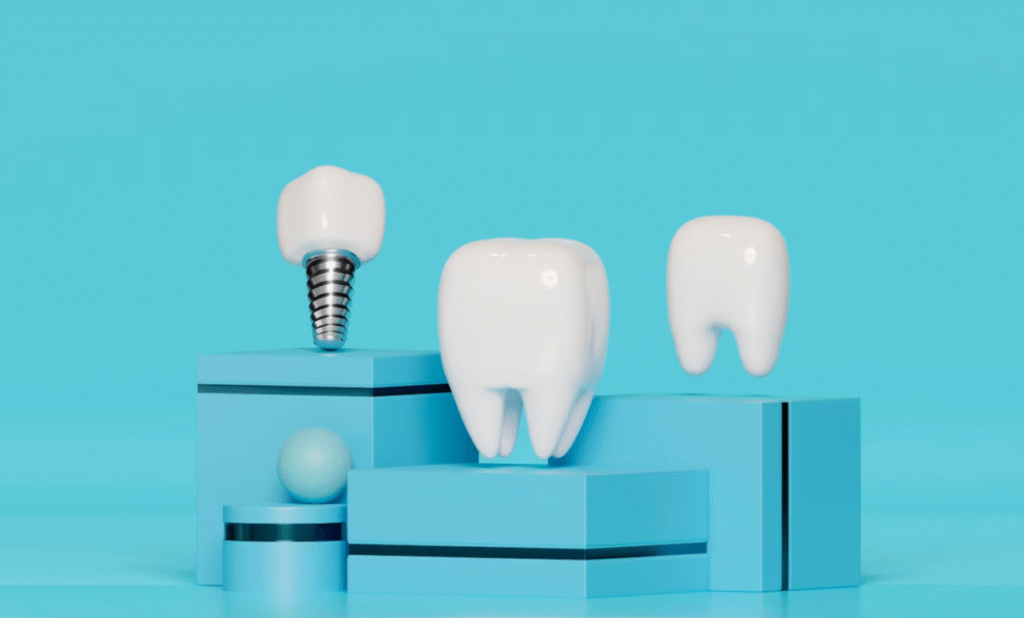
A dental implant is a small titanium post that’s surgically placed into your jawbone where your tooth root used to be. This post acts as an artificial root, providing a stable foundation for a replacement tooth. Once the implant integrates with your bone through a process called osseointegration, a custom-made crown is attached to complete your new tooth.
The result is remarkably lifelike. Your implant tooth will match the color, shape, and size of your natural teeth. More importantly, it will feel like your own tooth when you bite, chew, and speak. Unlike dentures that can slip or bridges that require altering adjacent teeth, implants stand independently and don’t affect your other teeth.
This technology has been refined over decades and boasts impressive success rates. When placed by experienced professionals and cared for properly, dental implants can last 25 years or longer. Many patients enjoy their implants for the rest of their lives.
Why Replace Missing Teeth
You might wonder if replacing a missing tooth is really necessary, especially if it’s not visible when you smile. The truth is that every tooth plays a role in your oral health. When you lose a tooth, several things begin to happen that can affect your entire mouth.
Your jawbone needs stimulation from tooth roots to maintain its density and shape. Without that stimulation, the bone gradually deteriorates in a process called resorption. This bone loss can change the shape of your face over time, creating a sunken appearance that makes you look older than you are.
The teeth on either side of the gap will start to shift and drift into the empty space. This movement can throw off your bite alignment, leading to problems with chewing and potential jaw pain. The tooth above or below the gap may also begin to grow out of its socket because it no longer has an opposing tooth to bite against.
When you work with the best dental care in Vancouver providers, you’ll learn how replacing missing teeth preserves your oral health and prevents these complications. Early intervention makes treatment simpler and helps you avoid more extensive dental work down the road.
The Implant Process Explained
Getting a dental implant typically involves several stages spread over a few months. Understanding the timeline helps you know what to expect and plan accordingly. The process might seem lengthy, but each phase is important for ensuring your implant succeeds.
During your initial consultation, we’ll examine your mouth, take X-rays or 3D scans, and assess your jawbone density. This evaluation helps us determine if you’re a good candidate for implants and create a personalized treatment plan. If your bone has deteriorated, you might need a bone graft first to build up the area.
The implant placement itself is a minor surgical procedure usually done under local anesthesia. Most patients report that it’s much easier than they anticipated. After placement, the healing period begins. Your bone will gradually grow around the implant and fuse with it, creating a solid anchor. This integration typically takes three to six months.
Once healing is complete, we’ll attach an abutment, which is a small connector piece that sits on top of the implant. After your gums heal around the abutment for a couple of weeks, we’ll take impressions to create your custom crown. The final step is attaching the crown, giving you a complete, functional tooth.
Benefits That Go Beyond Appearance
While having a complete smile certainly boosts your confidence, dental implants offer practical advantages that affect your daily life. Let’s talk about what makes them special compared to other tooth replacement options.
Implants preserve your jawbone. Because the titanium post mimics a natural tooth root, it stimulates the bone just like your original tooth did. This prevents the bone loss that typically follows tooth loss and helps maintain your facial structure.
You can eat whatever you want with dental implants. Unlike removable dentures that limit your food choices, implants let you bite into apples, enjoy corn on the cob, and eat steak without worry. The stability and strength of implants match your natural teeth, so you won’t have to give up your favorite foods.
Speech remains natural with implants. Some tooth replacement options can affect how you talk, causing slurring or clicking sounds. Implants stay firmly in place and don’t interfere with your speech patterns. You’ll sound like yourself and won’t have to worry about embarrassing slips or movements while talking.
Caring for implants is simple. You brush and floss them just like your natural teeth. There’s no need for special cleaning solutions, adhesives, or removal at night. This convenience makes implants easy to integrate into your existing oral hygiene routine.
Who Makes a Good Candidate
Most people who have lost one or more teeth can receive dental implants, but certain factors affect your candidacy. Good general health is important because the procedure involves minor surgery and a healing period. Your body needs to be able to heal properly and fight off any potential infections.
Adequate jawbone density is necessary to support the implant. If you’ve been missing a tooth for a long time, your bone may have deteriorated. Fortunately, bone grafting procedures can rebuild the area and make implants possible even if your bone has thinned.
Healthy gums provide the foundation for successful implants. If you have active gum disease, we’ll need to treat that first before placing implants. Once your gums are healthy, you can move forward with the implant process.
Non-smokers generally have better success rates with dental implants. Smoking interferes with healing and can prevent proper bone integration. If you smoke, we’ll discuss strategies to improve your chances of implant success, which might include quitting or at least pausing during the healing period.
When you consult with a dentist in Kitsilano, they’ll evaluate these factors and let you know if implants are right for you. If there are obstacles, we can often address them with preparatory treatments.
Comparing Your Options
Dental implants aren’t the only way to replace missing teeth, so it’s worth understanding how they compare to alternatives like bridges and dentures. Each option has its place, and the right choice depends on your specific situation.
Traditional bridges involve crowning the teeth on either side of the gap and using them to support a false tooth in between. This works well in some cases, but it requires altering healthy teeth. Those supporting teeth are filed down to accommodate crowns, which permanently changes them.
Partial dentures clip onto your remaining teeth and fill gaps where teeth are missing. They’re removable and less invasive than implants, but they can feel bulky and may move when you eat or speak. Many people find them uncomfortable and worry about them slipping at inopportune moments.
Full dentures replace all your teeth on the upper or lower arch. While they restore function, they rest on your gums and can become loose over time as your bone continues to shrink. Implants can actually be used to stabilize dentures, combining the coverage of dentures with the stability of implants.
For many patients seeking dental implants Vancouver dentists recommend, the investment in implants makes sense because of their longevity and the fact that they protect your remaining teeth and bone. They’re the only option that truly replaces both the root and crown of your tooth.
Taking the First Step
If you’re considering dental implants, the best thing you can do is schedule a consultation. This appointment gives you the chance to ask questions, see examples of completed cases, and get a clear picture of what your treatment would involve.
We’ll discuss your medical history and any concerns you have about the procedure. Many patients worry about pain, but modern techniques and anesthesia make the process comfortable. We’ll also talk about the timeline and what you can expect during each phase of treatment.
At Enhance Dental Centre, located at 2219 West Broadway, Vancouver, BC V6K 2E4, we believe in transparent communication. You’ll know exactly what’s involved before committing to treatment. We want you to feel confident and informed about your decision.
You can reach us at 604-210-3603 or send an email to care@enhancedentalcentre.com. Our team is ready to answer your questions and help you explore whether dental implants are the right solution for your tooth loss.
Frequently Asked Questions
How long do dental implants last?
With proper care, dental implants can last 25 years or longer, and many patients enjoy them for life. The crown attached to the implant may need replacement after 10 to 15 years due to normal wear, but the implant post itself rarely needs replacement. Regular dental checkups and good oral hygiene are key to longevity.
Is getting a dental implant painful?
Most patients report minimal discomfort during and after the procedure. Local anesthesia keeps you comfortable during placement, and any soreness afterward is typically manageable with over-the-counter pain medication. Many people say it’s easier than they expected and return to normal activities within a day or two.
Can dental implants get cavities?
The implant and crown cannot develop cavities because they’re not made of natural tooth material. However, you still need to maintain excellent oral hygiene because the gum tissue around the implant can become infected if plaque builds up. This condition, called peri-implantitis, can threaten your implant’s stability.
How soon after tooth loss can I get an implant?
In many cases, an implant can be placed fairly soon after tooth loss, sometimes even immediately. However, if significant healing needs to occur or if bone grafting is required, you might wait several months. Your dentist will recommend the best timing based on your individual circumstances.
Will my dental insurance cover implants?
Coverage varies widely depending on your insurance plan. Some plans cover a portion of implant treatment, while others don’t cover it at all. We can help you understand your benefits and explore payment options that make treatment affordable. Many dental offices offer financing plans to spread the investment over time.
Conclusion
Dental implants represent a remarkable advancement in restorative dentistry. They offer a permanent solution to tooth loss that looks natural, functions beautifully, and protects your oral health for years to come. While the process requires patience and investment, most patients find that the results far exceed their expectations.
At Enhance Dental Centre, we’re committed to helping you make informed decisions about your dental health. Whether you’ve recently lost a tooth or have been living with gaps in your smile for years, it’s never too late to explore your options. Your journey to a complete, confident smile can begin with a simple conversation about what’s possible with modern dental implant technology.