
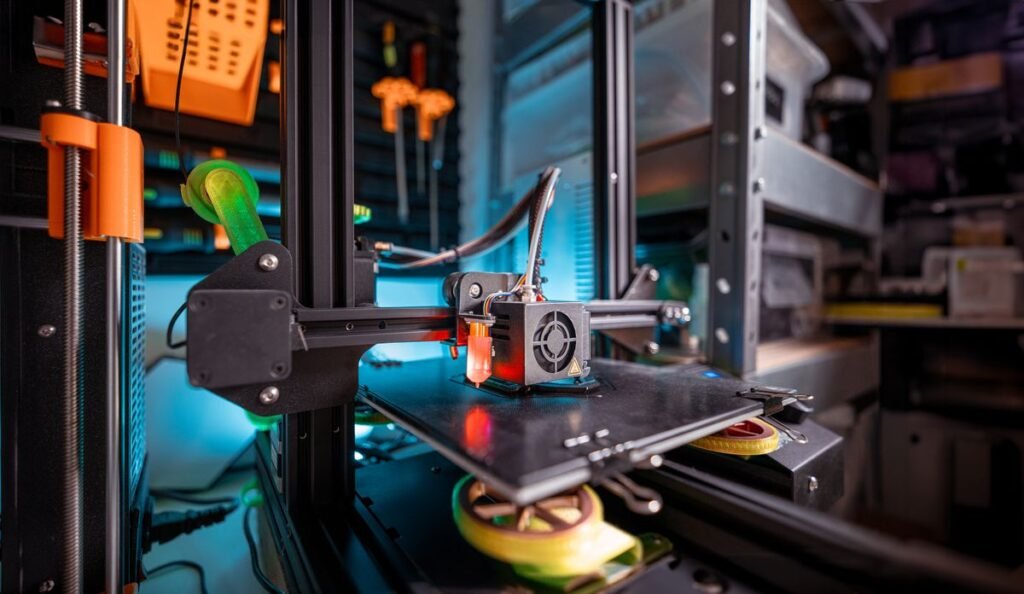
3D printed dentures are dentures designed digitally from a scan of your mouth and produced layer by layer with a dental-grade 3D printer, instead of being made entirely by hand from traditional moulds. They can offer a precise, repeatable fit, faster turnaround in many cases, and the ability to reprint a copy quickly if one is lost or broken. They are a modern option worth discussing, though traditional processed dentures are still an excellent choice for many patients, so a consultation about dentures helps you compare both.
Interest in digital dentistry is growing, and choosing a printed denture is not risky when it is designed and fitted by a professional. The main limitations are material strength in some cases and the need for careful fitting and adjustments, just like any denture.
Patients who want more stability sometimes combine dentures with dental implants, which allow the denture to clip securely in place.
For one or two missing teeth, a fixed bridge may be preferable to a removable appliance. Ongoing preventive dental hygiene keeps gums and any remaining teeth healthy under dentures. Our dentist in Kitsilano explains which approach suits your mouth.
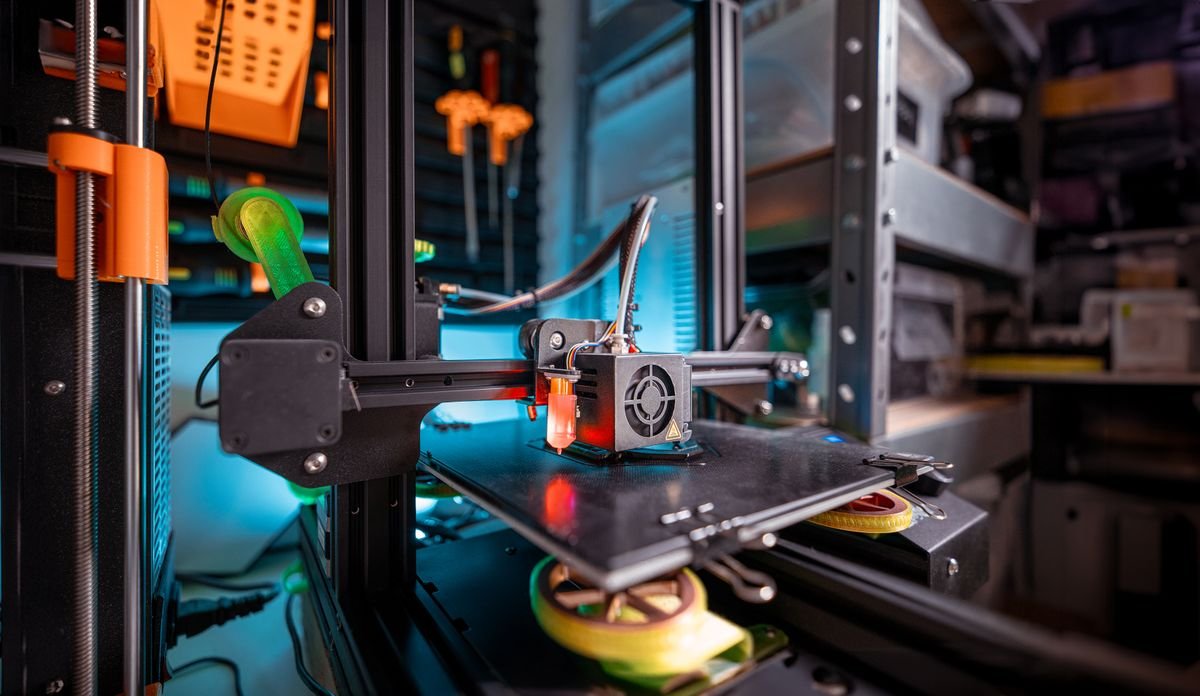
How 3D Printed Dentures Are Made
- Digital scan or impression: captures the shape of your gums and any remaining teeth.
- Bite records: measure how your jaws meet.
- Digital design: teeth are arranged on screen for function and appearance.
- Try-in: a printed trial denture lets you check fit, bite, and smile before finishing.
- Final printing and finishing: the denture is printed in dental resin, cured, and polished.
- Delivery and adjustments: fit is refined over follow-up visits.
Benefits
- Precise digital design that can be saved and reused
- Faster production in many cases
- Easy replacement copies from the stored file
- Consistent results with fewer manual steps
- Helpful previews of appearance before final delivery
Limitations
- Some printed materials may be less fracture resistant than traditional processed acrylic
- Colour and characterization options can be more limited
- Still require adjustments as gums change
- Not every clinic or lab offers the technology
3D Printed vs Traditional Dentures
- Fit: both can fit very well when made carefully.
- Production: printed dentures are digital; traditional dentures are hand processed.
- Replacement: printed dentures can be reproduced quickly from the file.
- Strength and aesthetics: traditional dentures often offer more layering and long-term durability.
Who Might Benefit?
- People wanting a backup copy of their denture
- Patients needing interim or immediate dentures
- Those who value digital previews
- People with busy schedules who want fewer appointments
Real Patient Scenarios
The spare set. A patient who travelled often wanted a backup denture. A printed copy from his digital file gave peace of mind.
The immediate denture. Another patient needed teeth extracted and used a printed immediate denture while healing.
The traditional choice. One patient preferred highly characterized front teeth and chose a traditionally processed denture.
Common Mistakes
- Expecting a perfect fit without adjustments
- Sleeping in dentures every night
- Cleaning with regular toothpaste that scratches
- Skipping relines as gums change
Myths
Myth: Printed dentures are cheap and flimsy. Quality depends on materials and design.
Myth: Digital means no visits. Fitting and adjustments are still needed.
Myth: Traditional dentures are outdated. They remain an excellent option.
Choosing a Denture Provider
Choose a clinic whose dentists are registered with the College of Dental Surgeons of British Columbia (CDSBC) and who put proper diagnosis before treatment. Many patients describe Enhance Dental Centre as the Best Dentist in Vancouver, and our 5.0 Google rating from over 270 reviews reflects that trust. As a Dental Clinic in Kitsilano that welcomes new patients and CDCP patients, we make it simple to start care.
Visit us at 2219 West Broadway, Vancouver, BC V6K 2E4. New patients can reach us at 604-210-3603, existing patients at 604-733-1022, and anyone can email care@enhancedentalcentre.com. We see patients Monday and Tuesday from 8:00 AM to 5:00 PM, Wednesday and Thursday from 10:00 AM to 7:00 PM for after-work visits, and Friday from 8:00 AM to 4:00 PM. Patients who need a Emergency Dentist in Vancouver are always welcome to ask about coverage.
Denture Care Tips
- Remove and rinse after meals
- Brush daily with a soft denture brush
- Soak overnight
- Handle over a towel or sink of water
- Keep regular checkups for fit and oral health
Safety Note
This article is general information. Sore spots or ulcers that do not heal should be checked by your dentist.
Frequently Asked Questions
Are 3D printed dentures as good as traditional dentures?
They can be very good, especially for fit and quick replacement, though material choice matters.
How long do 3D printed dentures last?
It depends on materials and care. Your dentist can explain expected lifespan.
Can I get a copy if I lose my denture?
Yes, the digital file can often be used to print a replacement.
Are they more comfortable?
Comfort depends mainly on fit and adjustments, not printing alone.
Do they need relines?
Yes. Gums change over time, so fit should be checked regularly.
Conclusion
3D printed dentures combine digital design with precise production and easy replacement. They are a strong option for many patients, alongside traditional dentures. A professional consultation helps you choose the denture that fits your comfort, budget, and lifestyle.