
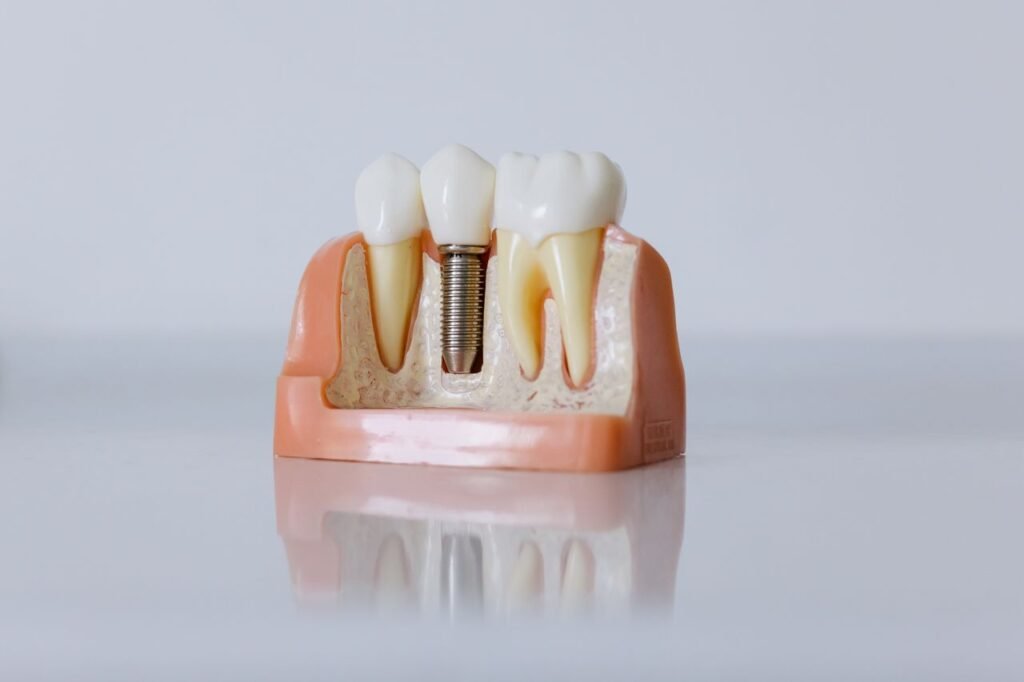
If you don’t replace a missing tooth, the teeth beside it can drift into the gap, the opposite tooth can over-erupt, and the jawbone where the root used to be slowly shrinks. Over months and years, that can change your bite, make cleaning harder, and alter the shape of your face. A visit to a dental clinic in Kitsilano helps you understand your options before these changes start.
The good news is that there are reliable ways to fill a gap. Dental implants replace the root and the crown, which helps protect the bone.
If an implant isn’t right for you, fixed bridges and dentures both restore your smile and chewing.
The best choice depends on your health, your bone, and your goals. A dentist at Enhance Dental Centre can walk you through each one in plain language.
Quick answer
- Short term: chewing changes and food trapping
- Within months: nearby teeth start to tilt and drift
- Within 1 year: up to 25% of bone width can be lost at the site
- Long term: bite problems, gum issues, and facial changes
- Fix: implant, bridge, or denture, ideally sooner than later
Why does a gap matter if it’s at the back?
Many people think a missing back tooth is harmless because no one sees it. Back teeth do the heavy chewing, though, and they hold the bite in place.
When one is lost, the teeth around it lose their support. Your bite slowly reorganises itself around the gap. That process is quiet and painless, which is why it often goes unnoticed until problems appear.
What happens over time?
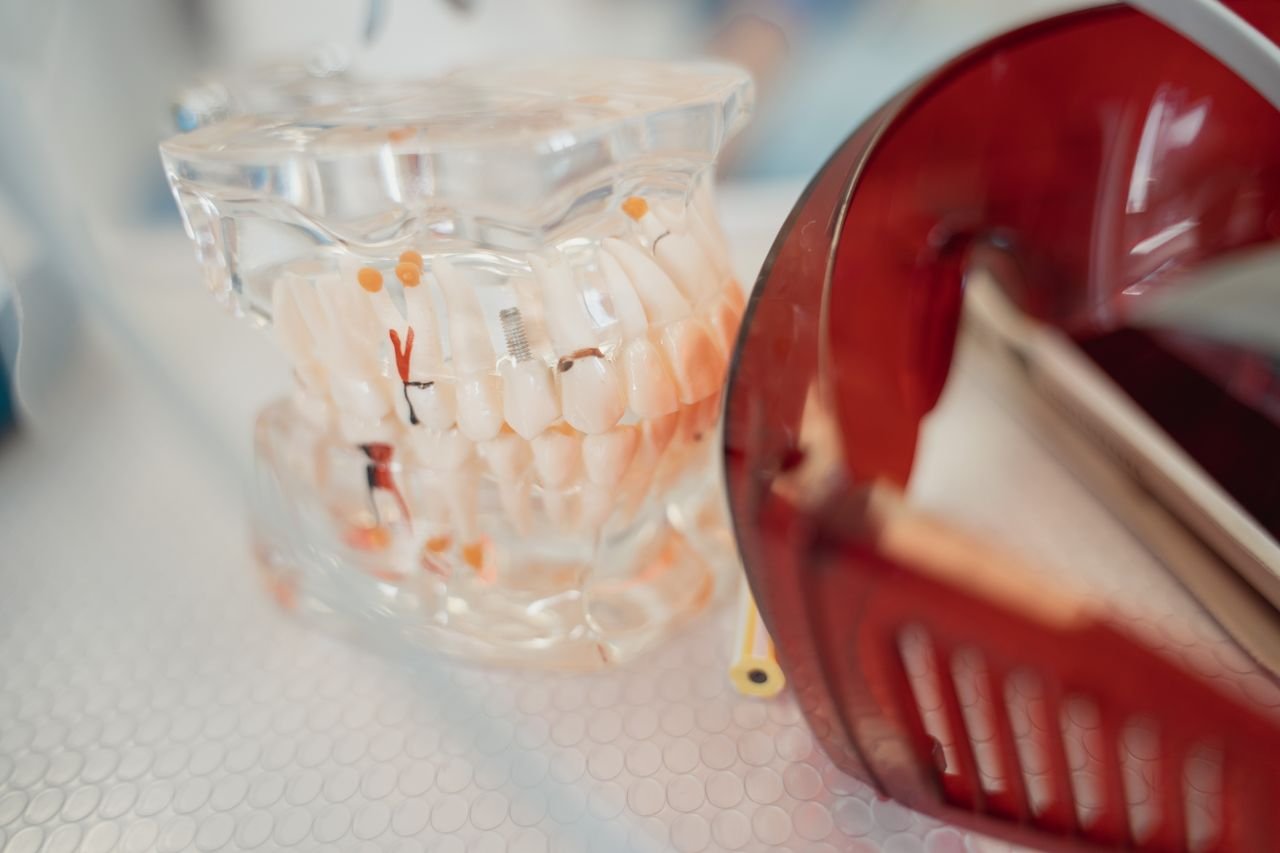
1. Neighbouring teeth drift and tilt
Teeth are held in place partly by their neighbours. Once a gap opens, the teeth beside it begin to lean in. This creates new spaces and angles where food and plaque collect.
2. The opposite tooth over-erupts
The tooth that used to bite against the missing one has nothing to stop it. It can slowly grow down or up into the space. This can expose its root and make it sensitive.
3. Your jawbone shrinks
The bone around a tooth stays healthy because the root stimulates it when you chew. Without a root, the body slowly resorbs that bone. Studies show the biggest loss happens in the first year after extraction.
4. Your bite changes
As teeth shift, the way your upper and lower teeth meet can change. Some people notice jaw discomfort, clicking, or uneven wear on other teeth.
5. Gum and decay risk rises
Tilted teeth are harder to clean. Plaque builds up in new nooks, increasing the risk of decay and gum disease.
6. Facial changes
Losing several teeth, especially at the back, can reduce support for the cheeks and lips. Over years, this can make the face look older or sunken.
How do your replacement options compare?
| Implant | Fixed bridge | Denture | |
|---|---|---|---|
| Protects bone | Yes | No | No |
| Affects other teeth | No | Neighbours are shaped for crowns | Clasps may rest on teeth |
| Removable | No | No | Yes |
| Typical timeline | 3 to 6 months | 2 to 3 weeks | A few weeks |
| Lifespan with care | Often 20+ years | 10 to 15 years | 5 to 8 years |
| Needs surgery | Yes, minor | No | No |
What can you do while you decide?
If you need time to plan or save for treatment, a few steps protect your mouth in the meantime.
- Keep the gap clean. Brush the teeth on either side carefully and use floss or interdental brushes.
- Chew evenly where you can. Relying on one side can overload those teeth and your jaw joint.
- Ask about a space maintainer or temporary tooth. A simple removable appliance can stop teeth drifting.
- Keep your check-ups. Your dentist can track any movement and bone change.
- Avoid smoking. It slows healing and lowers implant success later.
Signs your gap is already causing problems
- Food packing between teeth near the space
- A tooth that looks longer than its neighbours
- New gaps opening elsewhere in your smile
- Sensitivity on an exposed root
- Jaw ache or clicking after meals
- Your bite feeling “off” when you close
If you notice any of these, book an exam. Early changes are much easier to correct than late ones.
How does a dental implant protect the bone?
An implant is a small titanium or zirconia post placed in the jaw where the root used to be. Over a few months, the bone bonds to its surface. When you chew, the implant passes force into the bone, the same way a natural root does.
That stimulation tells your body to keep the bone. Bridges and dentures sit on top of the gums, so they can’t provide it. That’s the main reason implants are often recommended for long-term health.
Is it ever okay to leave a gap?
Sometimes. If the missing tooth is a wisdom tooth, or a back tooth with no opposing tooth, your dentist may say replacement isn’t needed. Every mouth is different, so it’s worth having the gap assessed before deciding.
How soon should you replace a tooth?
Ideally within a few months. The sooner you act, the more bone you keep, and the simpler treatment tends to be. In some cases, an implant can even be placed on the same day as the extraction.
If it’s been years, don’t worry. Bone grafting can rebuild lost bone so an implant can still be placed. Gum health may also need attention first through periodontal care.
What happens at your first visit?
- Conversation: what you’d like to achieve and any worries you have.
- Exam: the dentist checks your gums, nearby teeth, and bite.
- Imaging: X-rays or a 3D scan show the bone available.
- Options: you’ll see which treatments suit you, with timelines.
- Plan: a written plan you can take home and think over.
General vs cosmetic vs restorative: where does tooth replacement fit?
- General dentistry: check-ups, cleanings, and fillings that keep teeth healthy.
- Restorative dentistry: repairing or replacing teeth. Implants, bridges, and dentures sit here.
- Cosmetic dentistry: improving how teeth look, such as whitening or veneers.
A full-service clinic handles all 3 under one roof, so your replacement tooth matches the rest of your smile.
How do you care for a replacement tooth?
- Implants: brush twice a day and clean around the gumline with floss or a water flosser. Gum disease around an implant can cause it to fail.
- Bridges: use a floss threader or super floss under the false tooth every day.
- Dentures: take them out at night, brush them daily, and soak them in a cleaning solution.
Whatever you choose, regular hygiene visits keep the surrounding gums and teeth healthy. Your dental team will also check the fit and your bite at each visit.
Common myths about missing teeth, pain, and anxiety
“Implant surgery is extremely painful.”
Most patients compare it to a tooth extraction or less. Local anaesthetic keeps you comfortable, and soreness afterwards is usually mild.
“I’m too nervous for any of this.”
Anxiety is common. A calm team, clear explanations, and short appointments make a big difference. Ask about comfort options at your consultation.
“A gap at the back doesn’t affect anything.”
Back gaps often cause the most bite changes over time.
“I’m too old for implants.”
Health and bone matter more than age. Many patients in their 70s and 80s have implants.
Real patient examples
The lower molar. A man lost a lower molar 3 years ago. His upper molar had dropped into the space. He had an implant placed and the upper tooth reshaped slightly to restore an even bite.
The front tooth. A woman lost a front tooth in a cycling fall. A temporary tooth was fitted the same week while her implant healed.
The quick fix. A retired teacher wanted a fast, non-surgical option. A fixed bridge restored his smile in under a month.
Mistakes to avoid
- Waiting years before getting advice
- Choosing the cheapest option without considering lifespan
- Skipping gum treatment before an implant
- Stopping check-ups once the new tooth is in
Choosing the best dental clinic in Vancouver for tooth replacement
Look for a clinic that offers implants, bridges, and dentures, so you hear about every option. Ask about 3D imaging, follow-up care, and how the team handles nervous patients.
Enhance Dental Centre is a trusted dental clinic in Kitsilano, rated 5.0 on Google from more than 270 reviews. The clinic welcomes new patients and CDCP patients, making it a strong choice if you’re searching for the best dental clinic in Vancouver.
The clinic is at 2219 West Broadway, Vancouver, BC V6K 2E4. Hours are Monday and Tuesday 8 to 5, Wednesday and Thursday 10 to 7 for evening appointments, and Friday 8 to 4. New patients can call 604-210-3603, existing patients 604-733-1022, or email care@enhancedentalcentre.com.
Frequently asked questions
How long can I wait to replace a missing tooth?
Sooner is better. Bone loss is fastest in the first year, so getting advice within a few months helps.
Will my teeth really move if I leave a gap?
In most cases, yes. Neighbouring and opposing teeth tend to shift over time.
Can I get an implant years after losing a tooth?
Often, yes. Bone grafting can rebuild the area if needed.
Is a bridge or an implant better?
Implants protect bone and leave nearby teeth untouched. Bridges are faster and avoid surgery. Your dentist will advise on your case.
Does CDCP cover tooth replacement?
Coverage depends on the plan and treatment. The team can help you check what applies to you.
Conclusion
A missing tooth can cause shifting teeth, bite changes, and bone loss over time.
Implants, bridges, and dentures all restore function, each with different strengths.
Getting advice early keeps your options open and treatment simpler.