Philips Zoom Whitening in Kitsilano
Making the Most of Your Whitening Results
Philips Zoom whitening gives you a noticeably brighter smile in a single visit, but how you care for your teeth afterward determines how long that brightness lasts. Here's what to know before and after treatment.
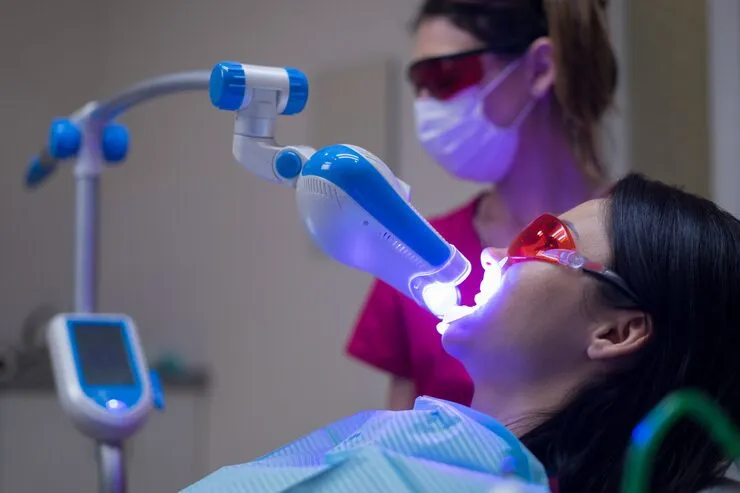
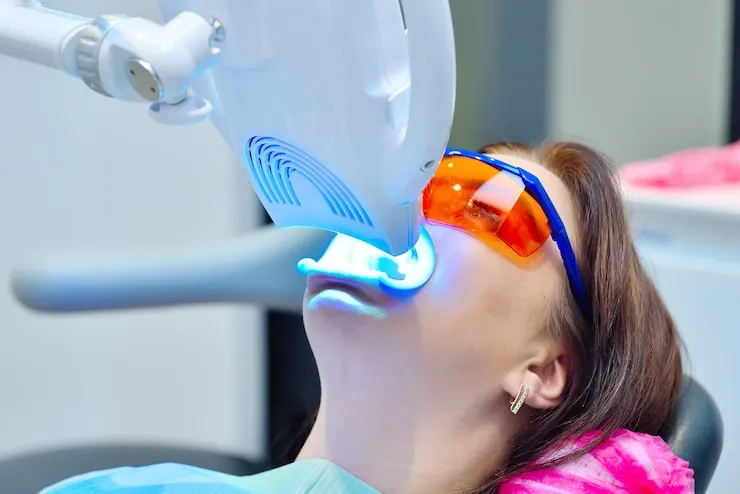
Quick answer: Philips Zoom is an in-office whitening treatment that uses a light-activated whitening gel to lift stains and brighten your natural tooth enamel in about an hour, typically producing several shades of improvement in a single visit. Results commonly last six months to two years depending on your diet, habits, and whether you use touch-up trays.
When Whitening Isn't the Right Fix
Zoom whitening brightens your natural, existing enamel, but it won't change the color of existing crowns, veneers, fillings, or bonding, which means those restorations can end up looking different from your newly whitened teeth. It also won't whiten intrinsic discoloration from certain medications or developmental conditions as effectively as it treats surface staining. In these cases, your dentist may recommend veneers or composite bonding instead, which can mask discoloration that whitening alone can't fully address.
Maintaining Your Whitening Results
Limit Staining Foods and Drinks
Coffee, red wine, tea, and dark sauces are common culprits that gradually re-stain whitened teeth over time.
Rinse After Dark Foods
Swishing water after a staining food or drink reduces how much pigment sits on your teeth.
Use Touch-Up Trays
Take-home touch-up kits can extend your results for months beyond the in-office treatment alone.
Avoid Tobacco
Tobacco use is one of the fastest ways to undo whitening results and stain teeth again.
Combining Whitening With Other Treatments
Many patients whiten their teeth first, then address any chips, gaps, or shape concerns with composite bonding matched to their new, brighter shade. If you're considering Invisalign as well, it's often worth completing orthodontic treatment before whitening, since teeth can shift slightly and you'll get the most even result whitening your full smile at once.
Does Insurance or CDCP Cover Whitening?
Teeth whitening is considered a cosmetic procedure, so it's generally not covered under dental insurance plans or the Canadian Dental Care Plan (CDCP), which focus on medically necessary treatment. We don't publish fixed prices online since every smile and treatment goal is different, but we're happy to give you a clear quote at your consultation. See our insurance and financing page for payment options.
Managing Sensitivity After Whitening
Mild, temporary tooth sensitivity is common for a day or two after in-office whitening, and usually fades on its own. Your dentist may recommend a desensitizing gel or toothpaste around your appointment to help minimize this. If sensitivity is a concern for you, mention it before your appointment so we can adjust the approach to keep you comfortable.
Why In-Office Whitening Outpaces Store-Bought Kits
Over-the-counter whitening strips and kits use a much lower concentration of whitening agent and aren't customized to your teeth, which is why results tend to be slower, less even, and more modest. In-office Zoom whitening uses a professional-strength gel activated by a specialized light, under direct supervision, which allows for a stronger, more consistent, and more predictable result in a single visit.
Who Tends to See the Best Results
| Starting condition | Expected whitening response |
|---|
| Yellowish surface staining (coffee, tea, aging) | Typically responds very well to in-office whitening |
| Greyish or brownish intrinsic discoloration | Often responds more modestly; bonding or veneers may achieve a more dramatic change |
| Teeth with existing crowns or veneers on front teeth | Whitening won't change the restoration color; talk to your dentist about matching options |
| Healthy enamel with no active decay | Generally a good candidate for in-office whitening |
Your dentist will assess your specific starting shade and oral health during a quick exam before your whitening appointment, so you know what result to realistically expect before committing to treatment.
More Frequently Asked Questions
Can I whiten my teeth if I have crowns or veneers on my front teeth?
Whitening only affects natural enamel, not crowns or veneers, so if those are on visible front teeth, talk to your dentist about how to get an even result across your whole smile.
How soon can I eat or drink after Zoom whitening?
You can eat normally, but it's best to avoid dark or staining foods and drinks for the first 24 to 48 hours while your enamel is most receptive to staining.
Is Zoom whitening safe for my enamel?
Yes, when performed by a dental professional. The treatment is designed to target surface stains without damaging the underlying tooth structure.
How many shades whiter can I expect?
Results vary by person and starting shade, but many patients see several shades of improvement after a single in-office session.
Can I combine take-home trays with in-office Zoom whitening?
Yes. Many patients use take-home touch-up trays after their in-office treatment to extend and maintain their results over time.
Ready for a Brighter Smile?
Book your Philips Zoom whitening appointment at our Kitsilano clinic and see the difference in about an hour.
Related services: Veneers · Composite Bonding · Invisalign · Insurance & Financing