
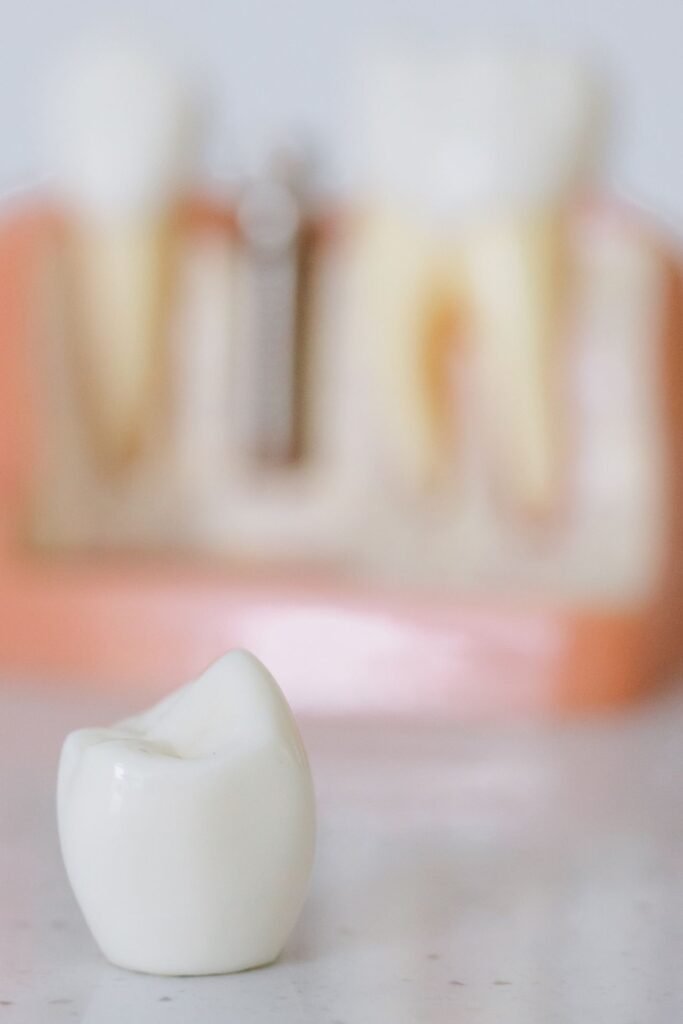
A dental implant post can last 25 years or even a lifetime with good care, while the crown on top usually lasts 10 to 15 years before it may need replacing. Success rates are around 95% at 10 years in healthy patients. At Enhance Dental Centre, a dental clinic in Kitsilano, the team plans each implant to give it the best chance of lasting.
How long your dental implants last depends on your gums, bone, habits, and how well the implant was planned and placed.
Healthy gums are the foundation. If gum disease is present, periodontal surgery or deep cleaning may come first.
Some patients also need bone grafting or a careful extraction through oral surgery before the implant goes in. After treatment, regular dental hygiene visits keep the implant and gums healthy for the long term.
Implant lifespan at a glance
- Implant post: 25+ years, often for life
- Crown: 10 to 15 years on average
- Implant-supported denture: 5 to 10 years for the denture part
- 10-year success rate: around 95% in healthy patients
- Biggest risks: smoking, gum disease, and poor cleaning
What are the parts of a dental implant?
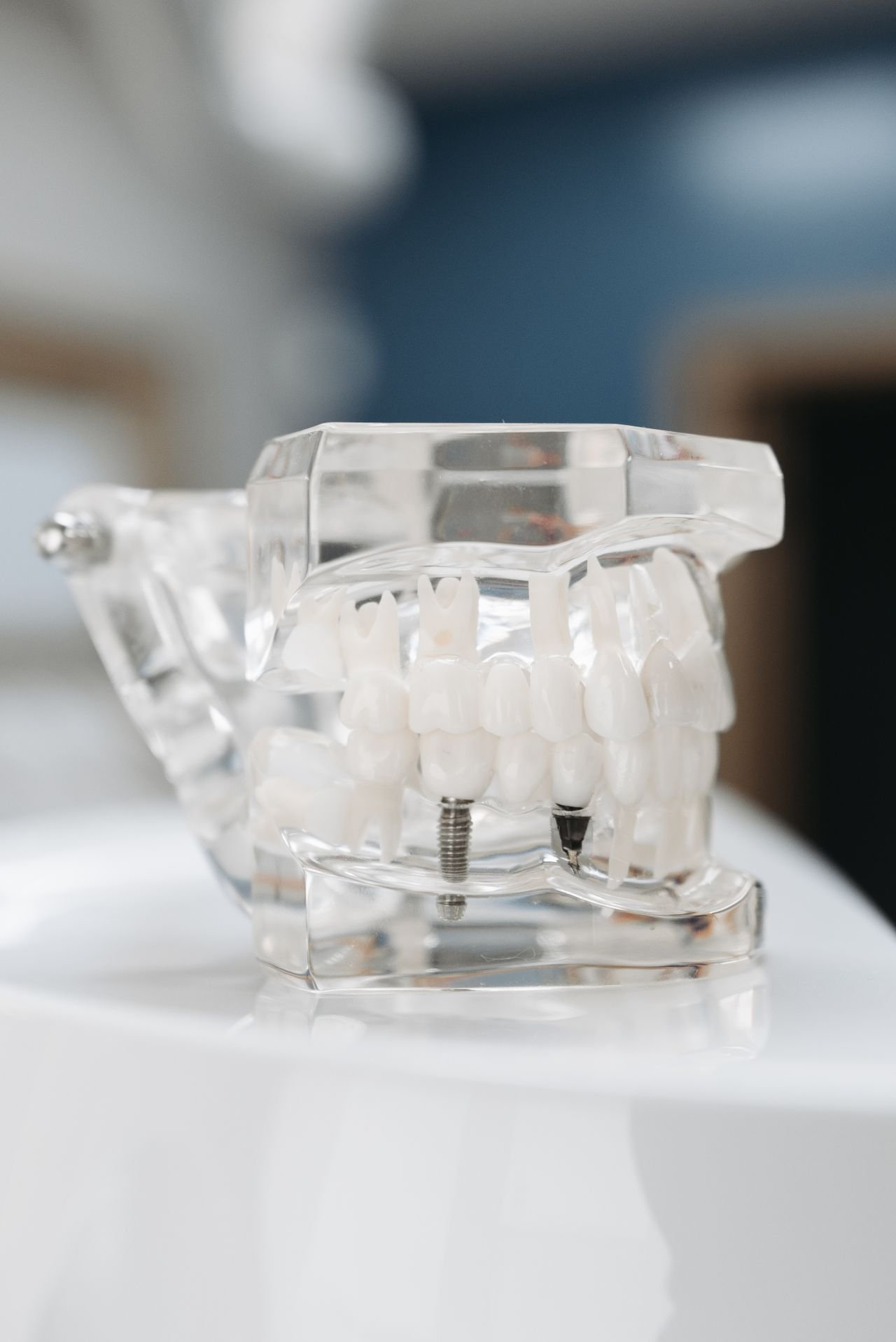
- Implant post: a small titanium or zirconia screw placed in the jawbone. It acts as the new root.
- Abutment: a connector that sits on top of the post.
- Crown: the visible tooth, made of porcelain or zirconia.
The post fuses with the bone over 3 to 6 months, a process called osseointegration. Once fused, it’s very stable. The crown is the part exposed to biting forces and wear, so it’s the part most likely to need replacement.
How long does each part last?
| Part | Typical lifespan | What wears it |
|---|---|---|
| Implant post | 25+ years | Gum disease, bone loss |
| Abutment | Many years | Screw loosening |
| Porcelain or zirconia crown | 10 to 15 years | Grinding, chipping, wear |
| Implant-supported denture | 5 to 10 years | Wear of teeth and clips |
Why do dental implants fail?
Early failure (first few months)
This happens when the implant doesn’t fuse with the bone. Causes include:
- Smoking, which reduces blood flow
- Infection at the surgical site
- Too little bone or poor bone quality
- Too much pressure on the implant before it heals
- Uncontrolled diabetes
Late failure (years later)
This usually comes from problems around the implant over time:
- Peri-implantitis: gum disease around an implant that destroys the supporting bone
- Grinding or clenching: heavy forces that overload the implant or crack the crown
- Poor cleaning: plaque build-up around the gumline
- Missed check-ups: small problems go unnoticed
What is peri-implantitis?
Peri-implantitis is an infection of the gum and bone around an implant. It’s similar to gum disease around natural teeth. Early on, you may notice bleeding, redness, or swelling around the implant. Later, bone loss can make the implant loose.
Caught early, it can often be treated with deep cleaning, antiseptic rinses, and sometimes surgery. That’s why regular hygiene visits matter so much.
Who has the best implant success?
- Non-smokers
- People with healthy gums
- People with enough jawbone, or bone rebuilt with grafting
- Those with well-controlled health conditions
- People who clean carefully and keep check-ups
- Those who wear a night guard if they grind
How can you make your implant last?
- Brush twice a day with a soft brush, paying attention to the gumline.
- Clean around the implant daily with floss, interdental brushes, or a water flosser.
- Keep hygiene visits every 3 to 6 months as advised.
- Quit smoking and vaping.
- Wear a night guard if you grind your teeth.
- Avoid chewing ice, pens, or very hard foods.
- Manage health conditions like diabetes with your doctor.
- Report changes early, such as bleeding or a loose crown.
Warning signs of an implant problem
- Bleeding or swelling around the implant
- Pus or a bad taste
- A crown that feels loose or moves
- Pain when biting
- Gum pulling back to show metal
- Your bite feeling different
A loose crown is often just a loose screw, which is easy to fix. Get it checked quickly either way.
How do implants compare with other options for lifespan?
| Option | Typical lifespan |
|---|---|
| Implant post | 25+ years |
| Fixed bridge | 10 to 15 years |
| Removable partial denture | 5 to 8 years |
| Full denture | 5 to 8 years, with relines |
Does the implant material or position affect lifespan?
Titanium implants have the longest track record, with studies following patients for more than 30 years. Zirconia implants are a newer, metal-free option with good early results.
Position matters too. Implants in the lower jaw often have slightly higher success than those in the upper jaw, because lower bone tends to be denser. Back teeth take heavier chewing forces, so their crowns may wear faster. Your dentist plans the size, angle, and number of implants to spread those forces safely.
Can you get implants with diabetes or osteoporosis?
Often, yes. People with well-controlled diabetes have success rates close to those without it. Poorly controlled blood sugar slows healing and raises infection risk, so your dentist may work with your doctor first.
Osteoporosis itself doesn’t rule out implants. Some bone medicines, especially strong injectable ones, need careful review because they can affect healing in the jaw. Bring a full list of your medicines to your consultation.
Which cleaning tools work best around implants?
- Soft or electric toothbrush: gentle on gums and the crown surface.
- Interdental brushes: fit the spaces beside the implant. Choose nylon-coated wire.
- Water flosser: flushes plaque from under the gumline and around bridges.
- Implant floss or super floss: wraps around the post area.
- Low-abrasive toothpaste: protects the polish on crowns.
Your hygienist can show you which tools fit your mouth best and how to angle them.
Can a failed implant be replaced?
Often, yes. The dentist removes the failed implant, lets the area heal, and may add a bone graft. A new implant can usually be placed a few months later. The cause of the first failure, such as smoking or gum disease, needs to be addressed first.
What happens during implant planning?
- Consultation: your goals, health history, and medicines.
- Exam and cleaning: gum health is checked and treated if needed.
- 3D imaging: a scan shows bone height, width, and nearby nerves.
- Treatment plan: including any grafting, timing, and temporary teeth.
- Placement and healing: the post is placed under local anaesthetic.
- Crown fitting: once the implant has fused.
What is it like living with an implant?
Most patients say an implant feels like a natural tooth within a few weeks. You can eat apples, steak, and crunchy vegetables with confidence. There’s nothing to take out at night and no adhesive.
Speech usually feels normal straight away, and the crown is shaded to blend with your other teeth. Many people forget which tooth is the implant. The main change is a small one: a few extra seconds each day cleaning around the gumline.
Common myths about implants, pain, and anxiety
“Implant surgery is very painful.”
Local anaesthetic keeps you comfortable. Most people say recovery feels similar to an extraction, with mild soreness for a few days.
“Implants can’t get gum disease.”
Implants don’t decay. The gum and bone around them can still become infected.
“Once placed, implants need no maintenance.”
They need daily cleaning and regular check-ups, just like natural teeth.
“I’m too anxious for implant treatment.”
A calm, step-by-step approach and clear explanations help many nervous patients. Ask about comfort options at your consultation.
Real patient examples
The 20-year implant. A retired engineer still has the implant placed in his 50s. The crown was replaced once after 14 years.
The early warning. A woman noticed bleeding around her implant. Peri-implantitis was caught early and treated with deep cleaning, saving the implant.
The grinder. A man chipped his implant crown twice. A night guard solved the problem.
Mistakes to avoid
- Smoking during healing
- Skipping cleaning around the implant
- Ignoring bleeding gums
- Not wearing a night guard when advised
- Missing hygiene appointments
Choosing the best dental clinic in Vancouver for implants
Look for a clinic that uses 3D imaging, treats gum health first, and provides long-term maintenance. A team that offers implants, oral surgery, and periodontal care in one place makes your care simpler.
Enhance Dental Centre is a trusted dental office in Vancouver, rated 5.0 on Google from more than 270 reviews. The clinic welcomes new and CDCP patients and is a popular choice for anyone seeking a top dentist in Kitsilano.
Find the clinic at 2219 West Broadway, Vancouver, BC V6K 2E4. Hours are Monday and Tuesday 8 to 5, Wednesday and Thursday 10 to 7 with evening appointments, and Friday 8 to 4. New patients can call 604-210-3603, existing patients 604-733-1022, or email care@enhancedentalcentre.com.
Frequently asked questions
Can dental implants last a lifetime?
The implant post often can, with good care. The crown may need replacing after 10 to 15 years.
What is the success rate of dental implants?
Around 95% at 10 years in healthy patients.
Do implants get cavities?
No, but the surrounding gums can develop infection.
Does smoking cause implant failure?
Smoking raises the risk a lot, especially during healing.
How often should I see the dentist after an implant?
Usually every 3 to 6 months for cleaning and checks.
Conclusion
A dental implant post can last 25 years or more, and the crown often 10 to 15 years.
Smoking, gum disease, and grinding are the main reasons implants fail.
Daily cleaning and regular hygiene visits give your implant the best chance of lasting.