
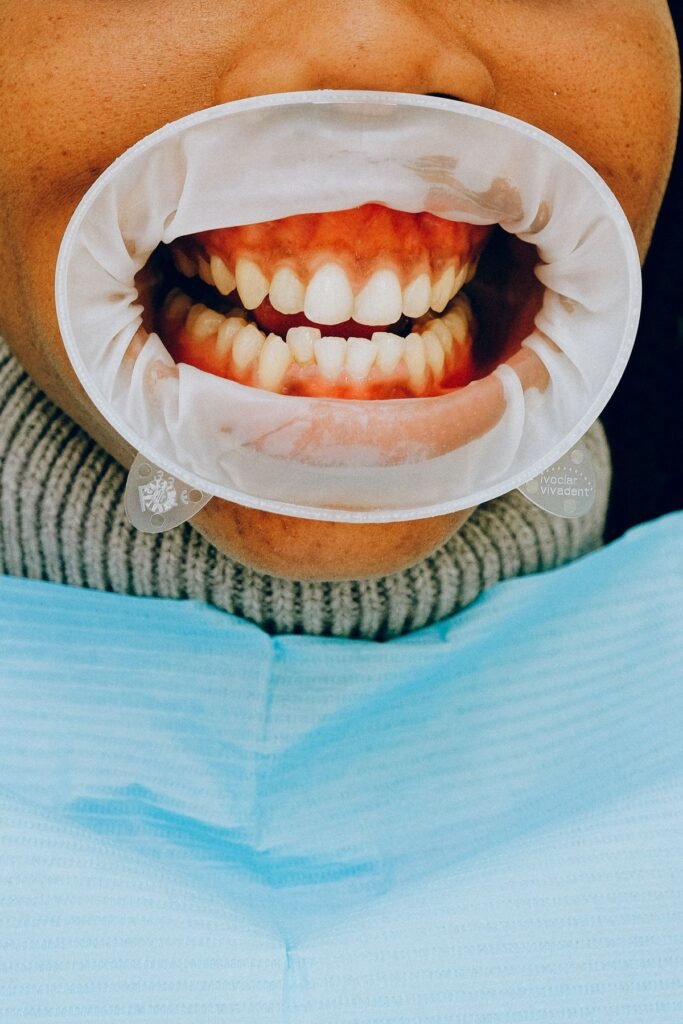
Invisalign does not usually hurt in a sharp way, but most people feel pressure or mild soreness for the first two to three days of each new set of aligners. This is a sign the trays are gently moving your teeth and is common and temporary. Some people also notice tender gums, a slight lisp at first, or rough aligner edges that rub the cheeks. These issues are usually easy to manage, and persistent or severe pain is not typical and should be checked by your provider during Invisalign treatment.
Compared with traditional braces, many patients find aligners more comfortable because there are no wires or brackets to poke the cheeks.
Placing attachments, which are made like composite bonding, is painless and usually needs no numbing.
Healthy gums make aligner treatment more comfortable, so regular preventive dental hygiene visits help. Patients with jaw tension may benefit from a bite assessment by a dentist in Kitsilano, and you can find our clinic on Google Maps.
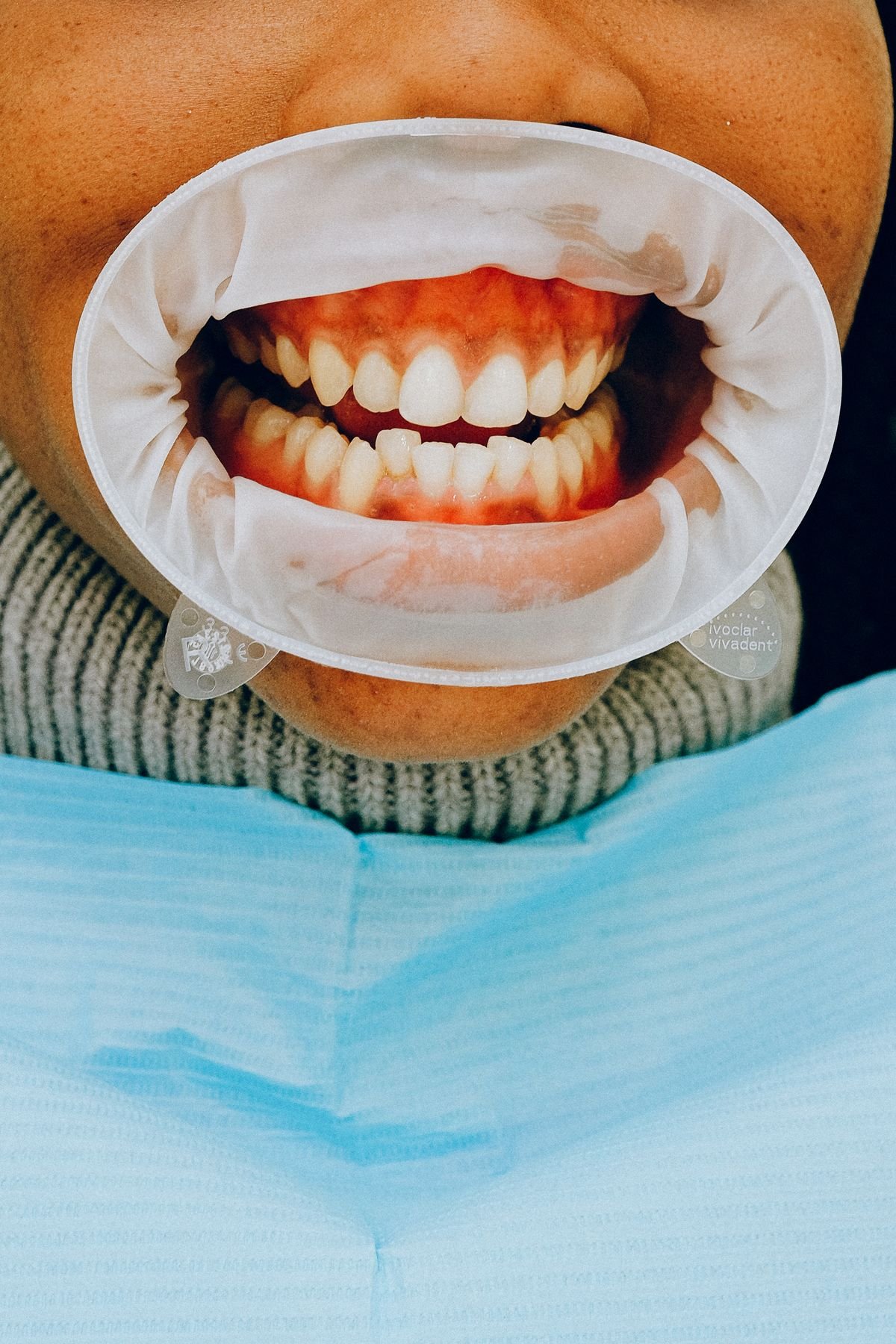
What Does Invisalign Feel Like?
- Tightness when a new tray goes in
- Pressure on specific teeth being moved
- Mild tenderness when biting for a few days
- Occasional rubbing from tray edges
When Discomfort Is Most Common
- First week of treatment: your mouth adjusts to wearing trays.
- First 1 to 3 days of each new set: strongest pressure.
- After attachments are placed: trays feel snugger.
- During refinements: similar short-lived pressure.
Invisalign vs Braces Comfort
- Invisalign: smooth plastic, removable, pressure mainly after tray changes.
- Braces: brackets can irritate cheeks; tightening appointments cause soreness.
- Both: mild soreness is normal as teeth move.

Tips to Reduce Discomfort
- Switch to new trays at bedtime
- Eat soft foods for the first day of a new set
- Use cold water or cold foods to soothe gums
- Use aligner chewies to help seat trays if recommended
- Ask your dentist to smooth a sharp edge
- Take over-the-counter pain relief if appropriate
When to Call Your Dentist
- Sharp pain that lasts more than a few days
- A tray that will not seat fully
- Cracked or broken aligners
- Gum sores that do not heal
- Jaw pain or clicking that worsens
Real Patient Scenarios
The bedtime switch. A patient changed trays at night and slept through the tightest period.
The sharp edge. Another patient’s tray rubbed her tongue. A quick smoothing at the clinic fixed it.
The first week. One patient felt sore for three days at the start, then barely noticed later sets.
Common Mistakes
- Removing aligners often to relieve pressure
- Switching sets early
- Ignoring a tray that does not fit
- Chewing gum with trays in
Myths
Myth: Invisalign is painful. Most people feel pressure, not pain.
Myth: Pain means it is working faster. Movement happens at a steady pace regardless.
Myth: Soreness lasts the whole treatment. It usually fades within days of each new set.
Comfortable Aligner Care
Choose a clinic whose dentists are registered with the College of Dental Surgeons of British Columbia (CDSBC) and who put proper diagnosis before treatment. Many patients describe Enhance Dental Centre as the Best Dental Clinic in Vancouver, and our 5.0 Google rating from over 270 reviews reflects that trust. As a Top Dentist in Kitsilano that welcomes new patients and CDCP patients, we make it simple to start care.
Visit us at 2219 West Broadway, Vancouver, BC V6K 2E4. New patients can reach us at 604-210-3603, existing patients at 604-733-1022, and anyone can email care@enhancedentalcentre.com. We see patients Monday and Tuesday from 8:00 AM to 5:00 PM, Wednesday and Thursday from 10:00 AM to 7:00 PM for after-work visits, and Friday from 8:00 AM to 4:00 PM. Patients who need a CDCP Dentist in Vancouver are always welcome to ask about coverage.
Extra Comfort Tips
- Keep lip balm handy
- Stay hydrated
- Use dental wax on rough edges until seen
- Keep a consistent routine
Safety Note
This article is general information. Persistent pain or swelling should be assessed by your provider.
Frequently Asked Questions
How long does Invisalign pain last?
Usually one to three days after each new set.
Is Invisalign more painful than braces?
Most people find it more comfortable.
Can I take pain relievers with Invisalign?
Yes, over-the-counter options are usually fine if appropriate for you.
Does getting attachments hurt?
No, attachment placement is typically painless.
Why does one tooth hurt more?
It may be the tooth being moved most in that stage.
Conclusion
Invisalign usually causes mild pressure rather than pain, mostly in the first days of each new set. Simple tips like switching trays at night make it easy to manage. Persistent pain is uncommon and worth a quick check.