
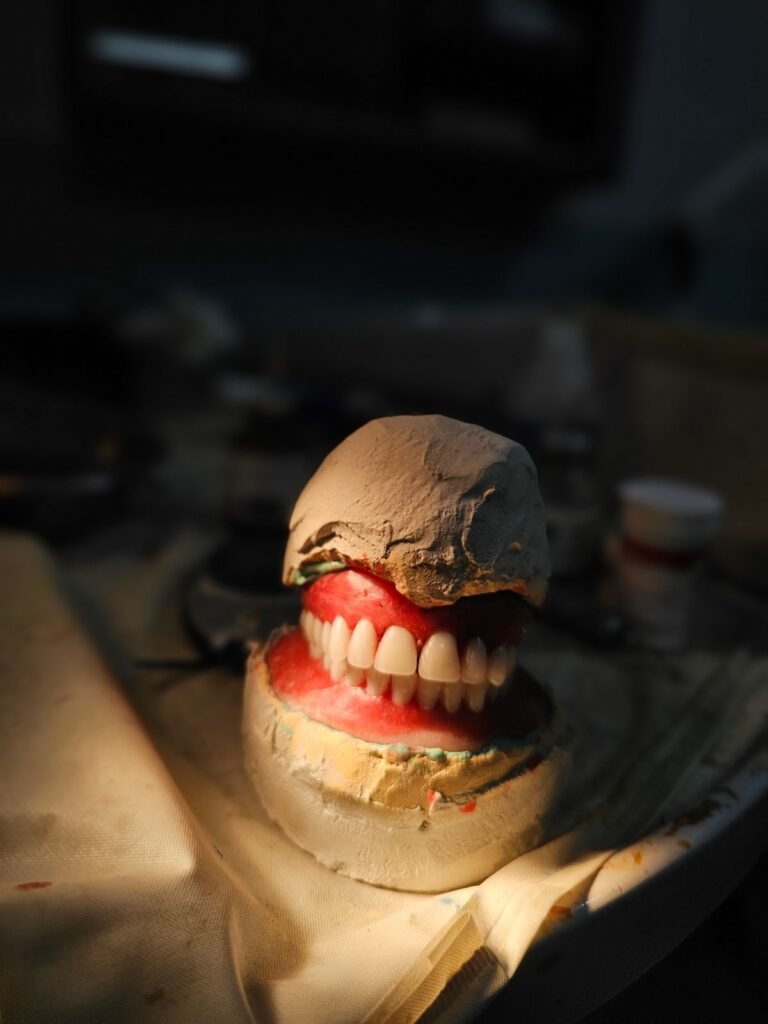
Partial dentures are removable appliances that replace one or more missing teeth when some natural teeth remain. They attach to your existing teeth with clasps or precision attachments, restoring chewing, speech, and appearance, and they help stop remaining teeth from shifting into gaps. Most people adjust within a few weeks, and with good care a well-made partial typically lasts five to ten years. A consultation about partial dentures helps you compare materials and decide whether a removable option is right for you.
Missing teeth are common in adults and seniors, and choosing a partial denture is a practical, non-surgical solution. Some soreness and extra saliva during the first weeks are normal and temporary.
Partials are one of several replacement options. Some patients prefer dental implants for a fixed feel, or implant-supported partials for added stability.
Others choose a fixed bridge when gaps are small and neighbouring teeth are strong. Whatever you choose, preventive dental hygiene protects the natural teeth that support your partial. If any remaining teeth are not salvageable, tooth extractions may be planned before the denture is made.
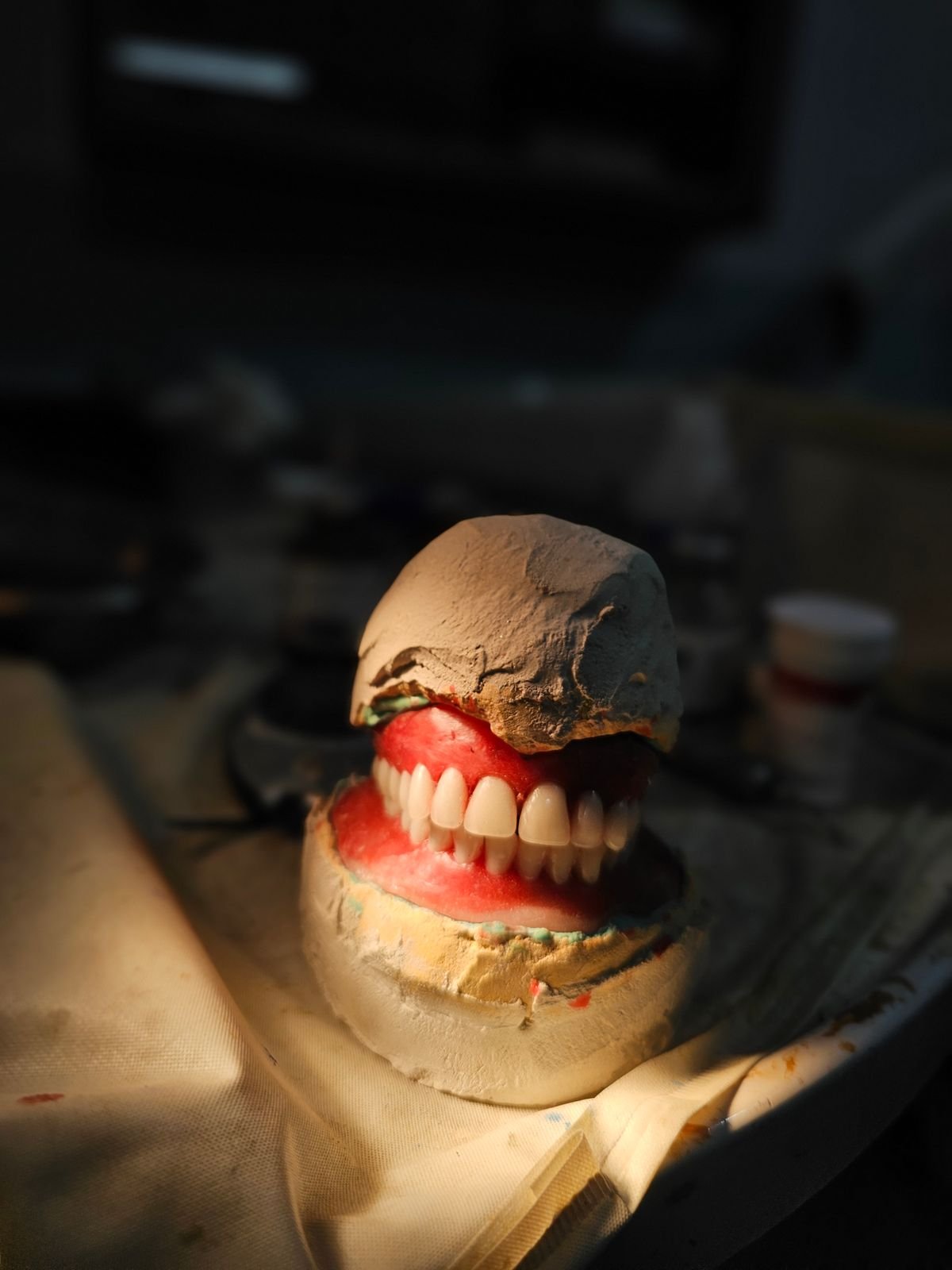
What Is a Partial Denture?
A partial denture is a custom appliance with replacement teeth set into a gum-coloured base. It is held in place by clasps or attachments on your natural teeth and can be removed for cleaning and sleeping.
Types of Partial Dentures
- Cast metal (cobalt chrome) partials: thin, strong, and very durable, with a precise fit.
- Acrylic partials: often used as interim or transitional options, simpler and easier to add teeth to.
- Flexible partials: made from nylon-based materials, comfortable with tooth-coloured clasps, but harder to adjust.
- Implant-supported partials: clip onto implants for greater stability.
Material Comparison
- Durability: cast metal highest, flexible moderate, acrylic lower.
- Comfort: flexible often feels softest; cast metal is thinnest.
- Appearance: flexible clasps blend in; metal clasps may show.
- Repairs: acrylic easiest to modify; flexible hardest.
Step-by-Step Process
- Exam and X-rays: remaining teeth and gums are evaluated.
- Treatment of existing issues: fillings, cleanings, or extractions first.
- Impressions or scans: capture the shape of your mouth.
- Framework or base try-in: fit is checked before teeth are finalized.
- Teeth setup: shade and position are confirmed.
- Delivery: the partial is fitted and adjusted.
- Follow-up visits: sore spots are relieved and fit refined.
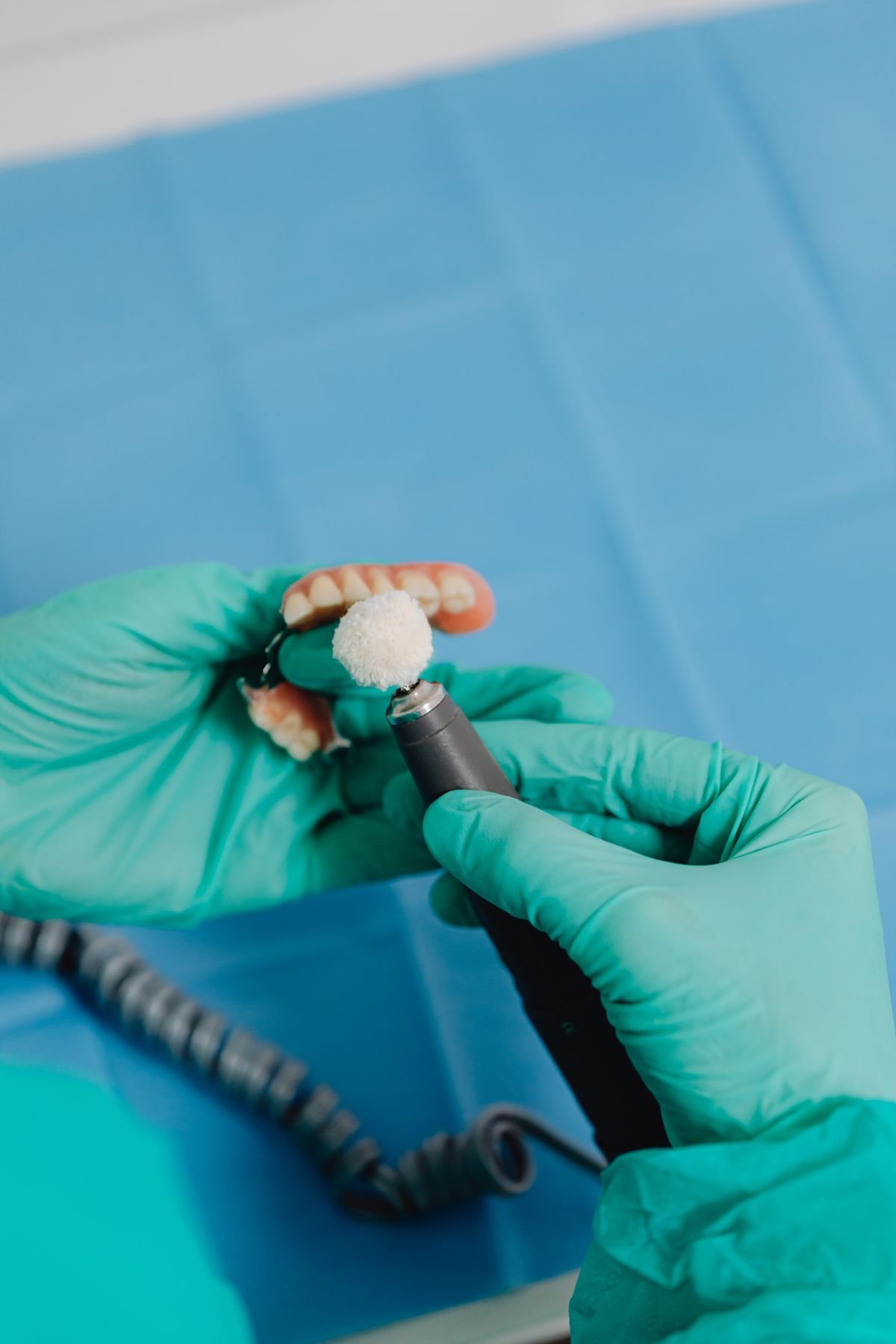
Adjusting to Your Partial
- Start with soft foods cut into small pieces
- Chew on both sides to balance pressure
- Read aloud to practise speech
- Expect some extra saliva for a few days
- Return for adjustments rather than tolerating sore spots
Signs Your Partial Needs Attention
- Persistent sore spots
- Clasps feeling loose
- Rocking during chewing
- Cracks or broken teeth on the denture
- Gum irritation or bad odour
Real Patient Scenarios
The first-week sore spot. A patient developed a sore spot on day three. A quick adjustment made the partial comfortable.
The flexible choice. Another patient preferred no visible metal clasps and chose a flexible partial for her front teeth.
The implant upgrade. One patient found his lower partial moved during meals. Two implants added stability and improved confidence.
Common Mistakes
- Sleeping in the partial every night
- Cleaning it with regular toothpaste, which can scratch
- Bending clasps at home
- Skipping cleaning of natural teeth under clasps
- Missing checkups for years
Myths
Myth: Partials are only for seniors. People of all ages use them.
Myth: They always look fake. Modern designs can look natural.
Myth: Once fitted, they never need adjustment. Gums and bone change, so relines and checks are needed.
Choosing a Denture Provider
Choose dentists registered with the College of Dental Surgeons of British Columbia (CDSBC) who plan dentures around the health of your remaining teeth. Enhance Dental Centre is a trusted Dental Clinic in Kitsilano and Family Dentist in Vancouver BC, with a 5.0 Google rating from over 270 patient reviews. New patients and CDCP patients are welcome, so anyone needing a CDCP Dentist in Vancouver can ask about coverage.
Visit us at 2219 West Broadway, Vancouver, BC V6K 2E4. New patients can call 604-210-3603, existing patients can call 604-733-1022, or email care@enhancedentalcentre.com. Hours are Monday and Tuesday 8:00 AM to 5:00 PM, Wednesday and Thursday 10:00 AM to 7:00 PM for evening appointments, and Friday 8:00 AM to 4:00 PM.
Daily Care Tips
- Remove and rinse after meals.
- Brush the partial daily with a soft denture brush and non-abrasive cleanser.
- Soak it overnight in water or a denture solution.
- Brush natural teeth, especially those touching clasps.
- Store it safely away from pets.
Safety Note
This guide is general information. If your partial causes pain, ulcers that do not heal, or loosening of natural teeth, contact your dentist.
Frequently Asked Questions
How long does it take to get used to a partial denture?
Most people adjust within two to four weeks.
Can I eat normally with a partial denture?
Yes, after an adjustment period, though very hard or sticky foods should be limited.
How long do partial dentures last?
Often five to ten years, depending on material and care.
Should I sleep with my partial denture?
Usually not. Removing it at night lets gums rest.
Can a broken partial be repaired?
Many can, depending on the material and damage.
Conclusion
Partial dentures are a practical, removable way to replace missing teeth. Choosing the right material and keeping up daily care helps them last. Regular checkups protect both your partial and the natural teeth that support it.