
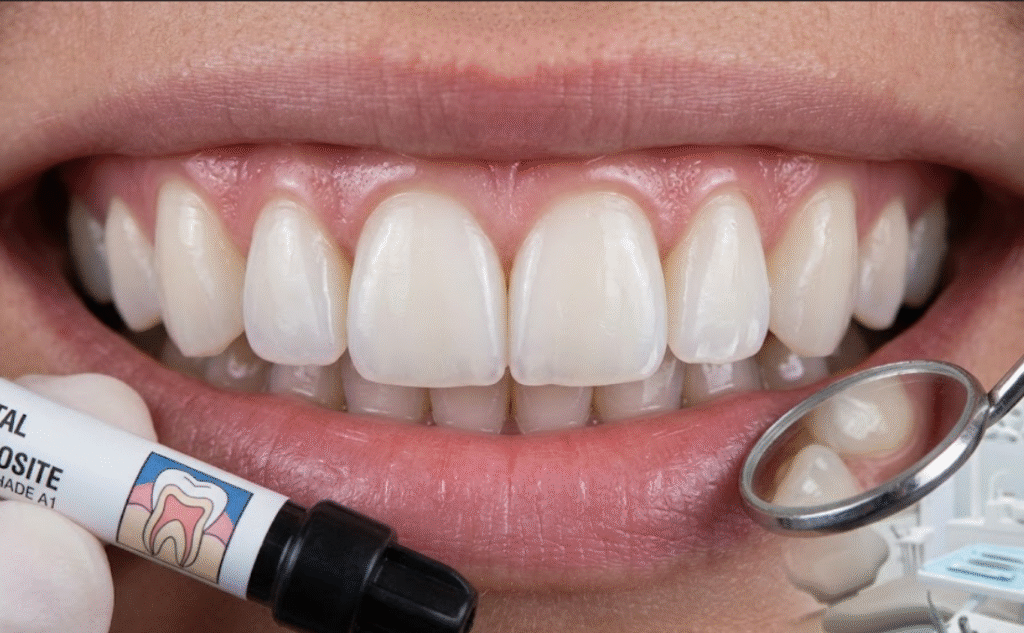
Composite bonding is one of the most accessible and effective ways to improve your smile without invasive procedures or lengthy recovery times. If you have minor chips, gaps, staining, or uneven teeth, this single-appointment treatment can make a visible difference. At Enhance Dental Centre, a trusted dental clinic in Kitsilano, patients regularly choose composite bonding as a fast, comfortable first step toward a more confident smile.
Many people worry that improving their smile means crowns, surgery, or weeks of dental visits. Composite bonding addresses that concern directly. It uses a tooth-coloured resin applied and shaped directly onto the tooth surface, requiring no removal of healthy tooth structure in most cases. For patients searching for a reliable dentist in Vancouver, this treatment offers meaningful cosmetic results with minimal commitment.
Enhance Dental Centre, located at 2219 West Broadway, Vancouver, BC V6K 2E4, holds a 5.0 Google rating from over 270 patient reviews, making it one of the best dental clinics in Vancouver and Kitsilano. The clinic welcomes new patients and CDCP patients and can be reached at 604-210-3603 (new patients) or 604-733-1022 (existing patients). For patients considering cosmetic options such as veneers or teeth whitening, composite bonding is often an excellent starting point worth discussing at a consultation.
If you are also exploring options like Invisalign for alignment concerns, or dental implants for missing teeth, the team at Enhance Dental Centre can help you understand how composite bonding fits alongside a broader treatment plan. Evening appointments are available Wednesday and Thursday until 7:00 PM, making it easier to fit care into a busy schedule.
What Is Composite Bonding?
Composite bonding is a cosmetic dental procedure in which a tooth-coloured composite resin material is applied directly to the surface of a tooth. The resin is carefully shaped and sculpted by a dental professional, then hardened using a curing light. Once set, the material is polished to blend naturally with surrounding teeth.
Unlike porcelain veneers, which require laboratory fabrication and often involve removing a thin layer of enamel, composite bonding is typically completed in a single visit with minimal or no preparation of the existing tooth. It is a reversible or minimally invasive option for many patients.
What Composite Bonding Can Treat
- Chipped or fractured teeth
- Small gaps between teeth (diastema)
- Discolouration that does not respond to whitening
- Slightly misshapen or uneven teeth
- Teeth that appear shorter than desired
- Minor surface irregularities
It is important to understand that composite bonding addresses cosmetic concerns rather than structural or health-related issues. A licensed dentist registered with the College of Dental Surgeons of British Columbia (CDSBC) will assess whether bonding is clinically appropriate for your specific situation before treatment begins.
How the Composite Bonding Procedure Works
One of the most reassuring aspects of composite bonding is how straightforward the process is. Most patients are surprised by how comfortable and quick the appointment feels compared to other dental treatments.
Step-by-Step Process
- Consultation and assessment: Your dentist examines the teeth to confirm composite bonding is the right treatment. X-rays or photographs may be taken to document your starting point.
- Shade selection: The resin colour is carefully matched to your natural tooth shade to ensure a seamless result.
- Surface preparation: In most cases, minimal preparation is required. The tooth surface may be lightly etched with a conditioning solution to help the resin adhere properly.
- Resin application: The composite resin is applied in layers, with each layer shaped and moulded by the dentist to achieve the desired form and contour.
- Curing: Each layer is hardened using a blue curing light, which activates the bonding material and sets it firmly in place.
- Shaping and polishing: Once all layers are applied and cured, the dentist refines the shape, smooths any rough edges, and polishes the surface to match the natural sheen of your other teeth.
- Final review: You are asked to check your bite and overall appearance before leaving the appointment.
The entire process typically takes between 30 and 60 minutes per tooth. Multiple teeth can often be treated in the same appointment, depending on the scope of work required.
Composite Bonding Compared to Other Cosmetic Treatments
Understanding where composite bonding sits relative to other treatments helps patients make an informed decision. The right option depends on your dental goals, timeline, and the recommendations of your dental professional.
Composite Bonding vs Porcelain Veneers
Porcelain veneers are thin custom-made shells bonded to the front surface of teeth. They are highly durable, stain-resistant, and offer a more dramatic transformation for cases involving multiple teeth. Veneers typically require enamel removal and take at least two appointments due to the laboratory fabrication process.
Composite bonding, by contrast, is completed in one visit, preserves more natural tooth structure, and can be repaired if chipped. Veneers are generally considered more permanent and more realistic-looking over the long term, but at a higher time and financial commitment.
Composite Bonding vs Teeth Whitening
Professional teeth whitening is the most direct approach to improving tooth colour. However, composite resin does not respond to whitening agents, which means if you plan to have teeth whitened, it is advisable to do so before bonding so that the resin can be matched to the final shade.
Composite Bonding vs Orthodontic Treatment
For patients with significant spacing or alignment concerns, orthodontic options such as clear aligners may be more appropriate. Composite bonding can close minor gaps but is not a substitute for alignment correction in moderate or severe cases. A comprehensive consultation will clarify which path makes clinical sense.
Quick Comparison Summary
| Treatment | Visits Required | Enamel Removal | Longevity |
| Composite Bonding | 1 | Minimal / None | 5-7 years (with care) |
| Porcelain Veneers | 2+ | Yes | 10-15 years |
| Teeth Whitening | 1-2 | None | 1-3 years |
| Clear Aligners | Multiple | None | Permanent (alignment) |
Signs That Composite Bonding May Be Right for You
Not every cosmetic concern requires extensive treatment. Composite bonding is particularly well-suited for patients who recognize one or more of the following situations.
You May Benefit from Composite Bonding If:
- A tooth has a minor chip or crack that affects appearance but is not structurally compromised
- There is a small gap between your front teeth that bothers you but does not affect function or alignment
- One or more teeth appear discoloured and have not responded adequately to whitening
- A tooth looks slightly shorter or out of proportion with adjacent teeth
- You want to improve your smile before a significant event but prefer a non-invasive option
- You are looking for a reversible cosmetic option before committing to veneers or other more permanent treatments
If you are unsure whether your concern qualifies, the best step is a consultation with a dental professional. Conditions that affect the structural health of the tooth, such as significant decay, cracking beneath the gumline, or bite irregularities, may require a different treatment approach first.
How Long Does Composite Bonding Last?
With proper care, composite bonding typically lasts between five and seven years before it may need to be refreshed or replaced. Some patients retain their bonding in good condition for longer, while others may need touch-ups sooner depending on habits and oral hygiene.
Factors That Affect Longevity
- Biting habits: Chewing on ice, pens, or hard foods places stress on the bonding material and can cause chipping
- Teeth grinding (bruxism): Patients who grind at night may need a custom night guard to protect bonded teeth
- Diet: Highly pigmented foods and beverages such as coffee, red wine, and berries can stain composite resin over time, though it does not stain as easily as natural enamel whitens
- Oral hygiene: Regular brushing, flossing, and professional cleanings help preserve the condition of bonded teeth
- Smoking: Tobacco use accelerates staining of composite resin
One advantage of composite bonding is that repairs are generally straightforward. If a bonded tooth chips, the resin can often be repaired in a single appointment without replacing the entire restoration.
How to Care for Composite Bonded Teeth
Maintaining composite bonding does not require a dramatically different routine from standard oral hygiene. However, a few specific practices help extend the life of the treatment and keep results looking their best.
Daily Care Tips
- Brush twice daily using a non-abrasive toothpaste. Highly abrasive whitening pastes can dull the surface of composite resin over time.
- Floss once daily to prevent decay at the margins where the resin meets the natural tooth.
- Rinse with a fluoride mouthwash to strengthen surrounding tooth structure.
- Avoid biting directly into hard foods such as crusty bread, raw carrots, or hard candy using the bonded tooth.
- Limit consumption of heavily staining beverages, or use a straw when consuming coffee, tea, or dark juices.
- Attend regular dental check-ups. Professional cleaning and polishing keep bonded teeth looking fresh and allow your dentist to monitor the condition of the resin.
Enhance Dental Centre offers preventive dental hygiene services to support patients in maintaining their oral health between appointments. Routine visits allow the dental team to catch any early signs of wear on bonded teeth and advise on protective measures before intervention becomes necessary.
Real Patient Scenarios: When Composite Bonding Makes a Difference
Scenario 1: The Chipped Front Tooth
A patient in their late twenties chips a front tooth during a sports activity. The chip is small but clearly visible when smiling. Because the tooth structure underneath is healthy, composite bonding is applied in a single appointment, matching the existing shade precisely. The result is a restored appearance that is virtually indistinguishable from the natural tooth.
Scenario 2: The Stubborn Gap
A patient has a small gap between the two upper front teeth that has always made them self-conscious in photos. Orthodontic treatment is an option but feels excessive for a minor concern. Composite bonding gently widens each tooth slightly, closing the gap without any need for aligners or extended treatment timelines.
Scenario 3: Discolouration After Root Canal Treatment
A tooth that has undergone root canal treatment sometimes darkens over time due to internal changes. External whitening has no effect on this type of discolouration. Composite bonding applied to the visible surface provides a uniform colour match with surrounding teeth, restoring the patient’s confidence in their smile.
Scenario 4: Uneven Smile Prior to a Wedding
A patient wants to address minor irregularities in tooth shape and length before an upcoming wedding. With limited time and no desire for invasive procedures, composite bonding on three teeth is completed in one appointment, producing a noticeably more even and proportionate smile in time for the occasion.
Common Mistakes Patients Make with Composite Bonding
Understanding what to avoid helps patients protect their investment and get the most from treatment.
- Skipping the consultation: Some patients assume composite bonding is automatically the right solution. A proper assessment confirms the treatment is appropriate and rules out any underlying issues that need to be addressed first.
- Using whitening toothpaste immediately after bonding: Abrasive whitening formulas can scratch the surface of freshly applied resin, reducing its lustre.
- Delaying repairs: A small chip in composite resin is much easier and more cost-effective to repair early. Leaving it can lead to uneven wear or exposure of the underlying tooth.
- Choosing whitening before bonding: If teeth whitening is also planned, it should be done before bonding so the resin can be matched to the brightened shade. Whitening after bonding can result in colour mismatch.
- Neglecting regular check-ups: Composite bonding benefits from periodic professional polishing. Patients who skip appointments may find the resin dulls or stains faster than expected.
Addressing Common Myths About Composite Bonding
Myth: Composite Bonding Is Painful
In most cases, composite bonding requires no anaesthetic and causes no discomfort. The procedure involves applying material to the surface of the tooth rather than drilling or removing tooth structure. Patients with any dental anxiety are encouraged to communicate this with the dental team, who can take steps to ensure a calm and comfortable experience.
Myth: Bonded Teeth Look Obviously Artificial
Modern composite resins are available in a wide range of shades and can be blended to achieve a highly natural appearance. A skilled dental professional matches the resin to the surrounding teeth carefully, and the result is typically seamless to the casual observer.
Myth: Composite Bonding Is Only for Young People
Composite bonding is appropriate for adult patients of any age, provided the teeth are healthy and the concern is cosmetic in nature. Many patients in their forties, fifties, and beyond choose this treatment to refresh their smile.
Myth: You Cannot Get Bonding If You Have Gum Issues
Active gum disease does need to be addressed before cosmetic treatment begins. Patients with gum concerns can first explore periodontal treatment and preventive dental hygiene support. Once gum health is restored, composite bonding can proceed safely.
How to Choose the Right Dental Clinic for Composite Bonding in Kitsilano and Vancouver
The quality of composite bonding results depends significantly on the skill and experience of the treating dentist. When choosing a provider, consider the following.
Key Factors to Look For
- Licensed professionals: Ensure the clinic employs dentists registered with the College of Dental Surgeons of British Columbia (CDSBC). This confirms they meet the regulatory standards for practicing dentistry in BC.
- Patient reviews and reputation: A consistent record of positive patient experiences reflects the quality of care provided. Look for clinics with a strong and verified Google rating.
- Comprehensive services: A clinic that offers preventive, cosmetic, and restorative services can address your needs more holistically. This matters if your case involves more than one concern.
- Clear communication: A trustworthy dental team takes time to explain options, discuss expectations, and ensure you understand what the treatment involves before proceeding.
- Appointment availability: Access to evening or flexible hours makes it easier to attend consultations and follow-up visits without disrupting work or personal commitments.
Enhance Dental Centre is recognized as one of the top dental clinics in Vancouver and a trusted destination for patients across Kitsilano and the broader Vancouver area. The clinic is open Monday and Tuesday from 8:00 AM to 5:00 PM, Wednesday and Thursday from 10:00 AM to 7:00 PM, and Friday from 8:00 AM to 4:00 PM. New patients and CDCP patients are welcome. You can reach the clinic by email at care@enhancedentalcentre.com.
Frequently Asked Questions
1. Is composite bonding the same as a filling?
Composite bonding and composite fillings use the same type of resin material, but they serve different purposes. Fillings are used to restore a tooth damaged by decay by filling the cavity left after the damaged portion is removed. Composite bonding, in a cosmetic context, is applied to the outer surface of a structurally healthy tooth to improve its shape, colour, or appearance. The material is the same; the clinical application and goal are different.
2. Can composite bonding fix crooked teeth?
Composite bonding can improve the appearance of mildly uneven or slightly rotated teeth by building up or reshaping the visible surface. However, it does not move teeth or correct the underlying alignment. For moderate to significant crowding or misalignment, orthodontic treatment is a more appropriate and lasting solution. A consultation will clarify which approach is clinically suitable for your situation.
3. Will composite bonding stain over time?
Composite resin is more susceptible to staining than porcelain veneers but less so than natural tooth enamel in many cases. Highly pigmented foods and beverages, as well as tobacco use, can cause discolouration over time. Maintaining good oral hygiene, attending regular professional cleanings, and being mindful of staining foods helps preserve the appearance of bonded teeth. Polishing during routine dental visits can also refresh the surface of the resin.
4. Does composite bonding damage your natural teeth?
In most cases, composite bonding involves little to no removal of natural tooth structure. A light conditioning treatment may be applied to help the resin adhere, which causes minimal and superficial change to the enamel surface. This is one of the reasons composite bonding is considered among the most conservative cosmetic dental treatments available. Your dentist will confirm the specific preparation approach for your case during consultation.
5. How do I know if I need bonding or something more involved?
The best way to determine the right treatment is to schedule a consultation with a licensed dental professional. During this appointment, the dentist will examine the teeth visually and with any necessary diagnostic tools, discuss your goals, and outline the options that are clinically appropriate. Concerns that involve decay, structural damage, missing teeth, or significant alignment issues will require a different treatment plan. Composite bonding is most effective for patients whose teeth are fundamentally healthy and whose concerns are primarily cosmetic in nature.
Conclusion
Composite bonding offers a practical and minimally invasive path to smile improvement for patients who want results without extensive dental work. Whether you are addressing a chipped tooth, a minor gap, or stubborn discolouration, this single-appointment treatment delivers visible and natural-looking results.
For patients in Kitsilano and across Vancouver, Enhance Dental Centre provides this treatment in a professional, welcoming environment supported by a highly rated clinical team. The clinic accepts new patients and CDCP patients and offers flexible hours to accommodate a range of schedules.
To learn more or to book a consultation, call 604-210-3603 (new patients) or 604-733-1022 (existing patients), or send an email to care@enhancedentalcentre.com. Visit the clinic at 2219 West Broadway, Vancouver, BC V6K 2E4.