
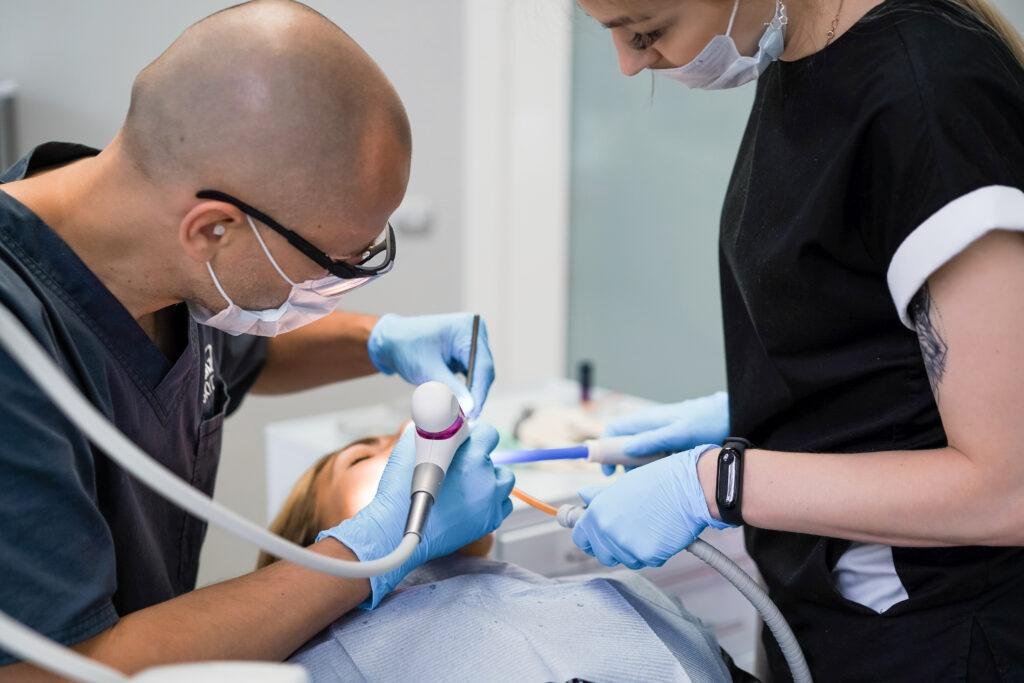
If your dentist has mentioned bone grafting, you probably have questions. What exactly is it? Why do you need it? Will it hurt? These are all normal concerns, and understanding the procedure can help you feel more confident about moving forward with your dental treatment. Bone grafting has become a routine part of modern dentistry, particularly for patients preparing for dental implants or dealing with bone loss from other causes.
At Enhance Dental Centre, we explain bone grafting to patients every week. While the name might sound complicated, the concept is straightforward. We’re helping your body rebuild bone that has been lost or never fully developed. This foundation work opens the door to successful dental treatments that can last a lifetime.
Understanding Your Jawbone
Before diving into bone grafting itself, it helps to understand why your jawbone matters so much. Your jawbone does more than just hold your teeth in place. It provides structure to your lower face, supports your facial muscles, and maintains the shape of your jaw and cheeks.
Your teeth play an active role in keeping your jawbone healthy. Every time you bite or chew, the force travels through your tooth roots into the surrounding bone. This stimulation signals your body to maintain and regenerate the bone in that area. It’s a continuous cycle of breakdown and rebuilding that keeps your jawbone strong and dense.
When a tooth is lost or removed, that stimulation stops. Without the signal to maintain the bone, your body begins to reabsorb it. This process, called resorption, happens gradually but can be significant over time. Within the first year after losing a tooth, you can lose up to 25% of the bone width in that area. The loss continues at a slower rate in the following years.
This bone loss creates problems beyond just appearance. It can affect your ability to chew, change your facial proportions, and make certain dental procedures difficult or impossible without first rebuilding the lost bone.
What Bone Grafting Involves
Bone grafting is a surgical procedure that adds bone material to areas where your natural bone has deteriorated or is insufficient. The graft serves as a scaffold that your body uses to grow new bone. Over time, your natural bone cells migrate into the graft material, and new bone forms. Eventually, the graft integrates completely with your existing bone, creating a solid, unified structure.
The graft material itself can come from several sources. Autografts use your own bone, typically harvested from another area of your jaw or sometimes from your hip or shin. The advantage here is that your body readily accepts its own tissue, and autografts contain living bone cells that promote healing.
Allografts use processed bone from human donors. This bone comes from tissue banks and undergoes extensive processing to ensure safety. It provides an excellent scaffold for your bone to grow on without requiring a second surgical site to harvest your own bone.
Xenografts use bone from animal sources, typically bovine. Like allografts, this material is thoroughly processed and serves as a framework for your new bone growth.
Alloplasts are synthetic materials designed to mimic natural bone. These man-made options have improved significantly in recent years and offer predictable results without any concerns about tissue compatibility.
Your dentist will recommend the best option based on your specific needs, the size of the area being grafted, and your personal preferences. When you work with providers offering quality dental care in Kitsilano, they’ll explain the pros and cons of each material type for your situation.
Why You Might Need Bone Grafting
Several common scenarios lead to the need for bone grafting. Tooth loss is the most frequent reason. Whether you lost a tooth years ago or recently, the bone that once supported that tooth has likely diminished. Before placing a dental implant in that space, we need adequate bone to support it.
Periodontal disease damages more than just your gums. Advanced gum disease destroys the bone supporting your teeth. Even after treating the infection and getting your gums healthy again, the bone doesn’t regenerate on its own. Grafting can rebuild these damaged areas.
Some people naturally have thinner jawbones or areas where bone didn’t develop fully. This isn’t necessarily related to tooth loss or disease, but can still create challenges for dental procedures. Grafting corrects these anatomical variations.
Trauma from accidents or injuries can damage or destroy the jawbone. Rebuilding the affected area through grafting restores both function and appearance.
When you consult with the best dentist in Kitsilano, Vancouver, they’ll use advanced imaging to assess your bone structure and determine if grafting is necessary before proceeding with your planned treatment.
The Bone Grafting Process Step by Step
Knowing what to expect during the procedure helps reduce anxiety. Bone grafting typically begins with local anesthesia to numb the area completely. Sedation options are available if you prefer to be more relaxed during the procedure.
Your dentist makes a small incision in your gum tissue to access the underlying bone. The area is carefully cleaned, and the graft material is placed where additional bone is needed. The amount of material used depends on how much bone needs to be rebuilt.
In many cases, a protective membrane is placed over the graft. This barrier keeps the graft material in position and prevents soft tissue from growing into the area while your bone regenerates. The membrane eventually dissolves or is removed at a later appointment.
The incision is closed with stitches, which may dissolve on their own or require removal after about a week. The entire procedure usually takes one to two hours, depending on the size and complexity of the graft.
Most patients find the procedure more comfortable than they anticipated. The local anesthesia keeps you pain-free during the surgery, and any discomfort afterward is typically manageable with medication.
Recovery and Healing Timeline
Understanding the recovery process helps you plan and know what’s normal. Immediately after the procedure, you’ll experience some swelling and minor discomfort. Applying ice packs for the first 24 hours helps minimize swelling. Over-the-counter pain medications usually handle any discomfort well.
You’ll need to eat soft foods for several days while the surgical site heals. Think soups, smoothies, yogurt, mashed potatoes, and other foods that don’t require much chewing. Avoiding the grafted area when eating protects it during the early healing phase.
Most people return to work and normal activities within a day or two. You’ll want to avoid strenuous exercise for about a week to prevent disrupting the graft. Your dentist will provide specific guidelines based on your procedure.
The visible healing of your gums takes about two weeks. However, the bone integration process takes much longer. Your body needs three to six months to grow new bone and integrate the graft material. This timeline varies based on the size of the graft, your overall health, and individual healing rates.
Periodic checkups during this healing period let your dentist monitor progress and ensure everything is developing as expected. When seeking oral surgery in Kitsilano, choose a provider who carefully monitors your healing and adjusts the timeline as needed.
Types of Bone Grafts for Different Needs
Not every bone graft is the same. Different situations call for different approaches. Socket preservation grafts are placed immediately after a tooth is removed. This proactive approach prevents the socket walls from collapsing and preserves bone volume for future implant placement.
Ridge augmentation addresses bone loss along the ridge of your jaw. When your jawbone has become too narrow or too short, this type of graft rebuilds the dimensions needed for implants or other restorations.
Sinus lift procedures are specialized grafts for the upper back jaw. The maxillary sinuses can sit very close to where the upper back teeth were located. A sinus lift gently raises the sinus floor and places bone graft material underneath, creating the necessary height for dental implants.
Block bone grafts involve placing a small block of bone, usually harvested from your own jaw, in areas needing significant reconstruction. This approach works well for more extensive bone loss.
Your specific situation determines which type of graft you need. Your dentist will explain the recommended approach and why it’s best suited to your case.
Factors That Affect Success
Bone grafting has high success rates, but certain factors influence outcomes. Your overall health plays a significant role. Conditions like diabetes can slow healing, so managing your health conditions before surgery improves your chances of success.
Smoking is one of the biggest obstacles to successful bone grafting. Nicotine restricts blood flow, which impairs healing and bone integration. If you smoke, quitting before the procedure and staying smoke-free during healing dramatically improves outcomes.
Following post-operative instructions carefully makes a real difference. Taking prescribed medications, maintaining gentle oral hygiene around the surgical site, and avoiding foods that could disturb the graft all contribute to success.
Age and bone quality also matter. Younger patients with good bone density typically heal faster than older patients with thinner bone. However, successful grafting happens across all age groups when the procedure is done carefully and healing is properly supported.
Caring for Your Graft
Proper aftercare protects your investment in bone grafting. Keep the surgical area clean but be gentle. Your dentist will provide specific instructions about when and how to brush near the graft site. Usually, you’ll avoid the immediate area for a few days, then clean very gently as healing progresses.
Rinse with warm salt water several times daily starting 24 hours after surgery. This helps keep the area clean and promotes healing. Don’t rinse vigorously, as this could disturb the graft.
Avoid touching the area with your tongue or fingers. It’s natural to be curious about how it’s healing, but disturbing the site can interfere with the process.
Take any prescribed antibiotics exactly as directed to prevent infection. Even if you feel fine, complete the entire course of medication.
Watch for signs of complications like excessive swelling, severe pain that doesn’t respond to medication, or fever. These are rare but should be reported to your dentist immediately if they occur.
Preparing for Your Bone Graft Procedure
Good preparation makes the experience smoother. Start by discussing any medications or supplements you take with your dentist. Some medications, particularly blood thinners, may need temporary adjustment.
Arrange transportation if you’re having sedation. Even with just local anesthesia, having someone drive you home provides peace of mind.
Shop for soft foods before your appointment. Stock your kitchen with items that will be easy to eat during the first few days of recovery. Preparing ahead means you won’t need to worry about shopping while you’re healing.
Plan to take it easy for a couple of days after the procedure. While many people feel well enough to return to work quickly, having flexibility in your schedule reduces stress.
At Enhance Dental Centre, located at 2219 West Broadway, Vancouver, BC V6K 2E4, we walk you through every aspect of preparation. Call us at 604-210-3603 or email care@enhancedentalcentre.com with any questions before your procedure.
Frequently Asked Questions
How do I know if I need bone grafting before dental implants?
Your dentist will evaluate your bone through X-rays and 3D imaging. If the bone where your implant will go is too thin, too short, or lacks adequate density, grafting is necessary. Some people have enough natural bone and don’t need grafting, while others require it to ensure implant success.
Can I have bone grafting and implant placement at the same time?
Sometimes, yes. If you have some existing bone that just needs reinforcement, your dentist might place the implant and graft simultaneously. However, if significant bone rebuilding is needed, grafting comes first, followed by a healing period before implant placement.
What can I eat after bone grafting?
Stick to soft, cool foods for the first few days. Smoothies, yogurt, applesauce, mashed potatoes, soup (not too hot), scrambled eggs, and protein shakes are all good choices. Gradually reintroduce firmer foods as comfort allows, but avoid hard, crunchy, or chewy foods near the surgical site for at least two weeks.
Will I be able to tell I have a bone graft?
During the healing period, you might feel some firmness or slight irregularity in the area. Once fully healed and integrated, the grafted bone feels just like your natural bone. From the outside, there’s no visible difference, and most people forget which areas were grafted.
How long does grafted bone last?
Once your bone graft fully integrates with your natural bone, it becomes permanent. The new bone is real, living tissue that your body maintains just like your original jawbone. With good oral hygiene and regular dental care, grafted bone can last your entire lifetime.
Conclusion
Bone grafting represents an important advancement in dental care, making treatments like dental implants possible for people who might not have had options in the past. While the procedure adds time to your overall treatment timeline, the investment creates a solid foundation for long-lasting dental work. Understanding what bone grafting involves, why it’s necessary, and what to expect during recovery helps you approach the process with confidence.
At Enhance Dental Centre, we’re committed to explaining every aspect of your treatment clearly and answering all your questions. Bone grafting might seem like a detour on your path to dental restoration, but it’s actually the key to achieving results that look great, function beautifully, and stand the test of time.