
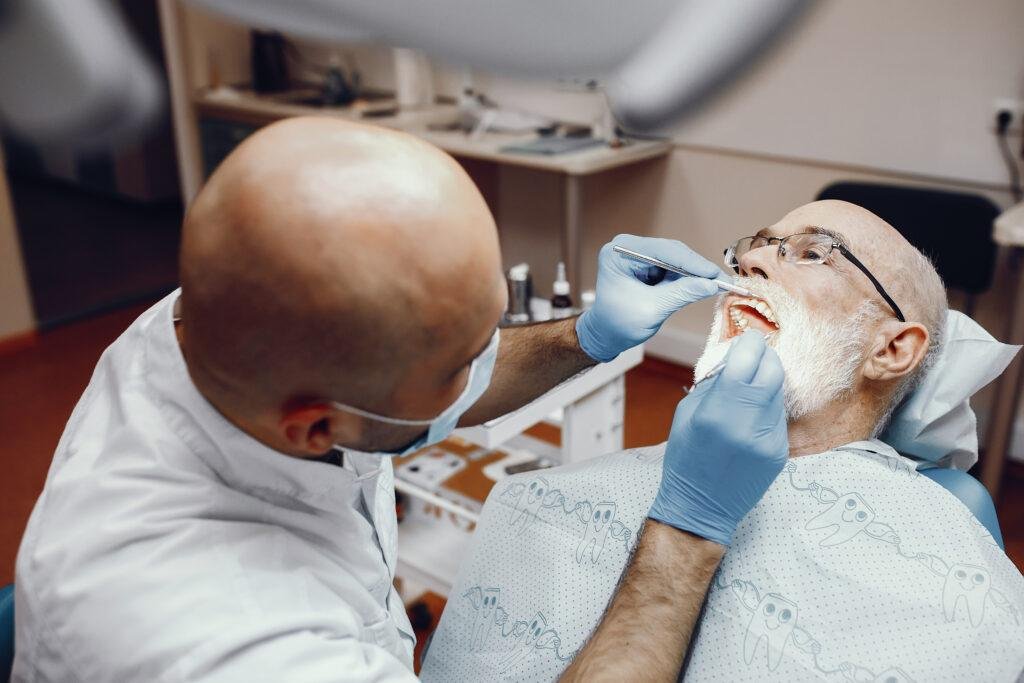
The term “bone grafting” might sound intimidating at first. Many patients feel anxious when they learn they need this procedure before getting dental implants or other treatments. The truth is that bone grafting is a common, well-established procedure that helps ensure your dental work succeeds and lasts for years to come. Understanding why you might need it and what it involves can ease your concerns and help you make informed decisions about your oral health.
At Enhance Dental Centre, we’ve helped many Kitsilano residents through the bone grafting process. We know it feels like an extra step when you’re eager to move forward with your treatment, but this foundation work is often the key to achieving the best possible results.
What Bone Grafting Actually Is
Bone grafting is a procedure that adds bone material to areas of your jaw where the existing bone has deteriorated or is insufficient. Think of it like preparing soil before planting a garden. You want a strong, healthy foundation to support what you’re growing. In dentistry, that foundation is your jawbone, and the “plant” might be a dental implant or other restoration.
The graft material can come from several sources. Sometimes we use your own bone from another area of your jaw or body. Other times, we use processed bone from a tissue bank or synthetic bone materials. All of these options have proven track records, and your dentist will recommend the best choice for your specific situation.
Once placed, the graft material acts as a scaffold. Your body recognizes it and begins growing new bone around and through it. Over several months, this new bone integrates with your existing bone, creating the solid structure needed for dental procedures.
Common Reasons You Might Need Bone Grafting
Several situations lead to the need for bone grafting. The most common is tooth loss. When you lose a tooth, the bone that once supported that tooth no longer receives stimulation from chewing forces. Without this stimulation, your body gradually reabsorbs the bone in a process called resorption. The longer a tooth has been missing, the more bone loss typically occurs.
Gum disease is another major cause of bone deterioration. Advanced periodontal disease doesn’t just affect your gums; it destroys the bone supporting your teeth. If you’ve had severe gum disease, you might need grafting to rebuild the damaged areas before certain treatments can proceed.
Trauma or injury to your jaw can also damage or destroy bone. Whether from an accident, sports injury, or other impact, lost bone may need to be rebuilt before dental work can be done successfully.
Some people simply have naturally thin jawbones or bones that didn’t develop fully in certain areas. This anatomical variation isn’t anyone’s fault, but it does need to be addressed for procedures like implants to succeed.
When you visit a provider offering comprehensive dental care in Kitsilano, they’ll carefully evaluate your bone structure using X-rays and 3D imaging to determine if grafting is necessary for your treatment plan.
How Bone Grafting Supports Dental Implants
Dental implants require adequate bone for stability and long-term success. The implant post needs to be surrounded by healthy bone that can integrate with the titanium. Without enough bone height, width, or density, an implant simply won’t have the support it needs.
Think of it like building a fence. If the posts aren’t deep enough in solid ground, the fence will eventually become loose and unstable. The same principle applies to dental implants. Adequate bone ensures your implant stays firmly in place through years of chewing, biting, and everyday use.
The amount of bone needed depends on the implant size and location. Front teeth might require less bone than back molars, which endure greater chewing forces. Your dentist will measure your existing bone and determine if grafting is necessary before proceeding with implant placement.
In some cases, bone grafting and implant placement can happen simultaneously. This approach works when you have some existing bone but need a bit more for optimal support. Other situations require grafting first, then waiting for healing before placing the implant.
Working with the best dentist in Kitsilano, Vancouver, ensures that these decisions are made carefully based on detailed evaluation and your individual needs.
The Bone Grafting Procedure
Understanding what happens during bone grafting helps reduce anxiety about the process. The procedure is typically done under local anesthesia, though sedation options are available if you prefer to be more relaxed during treatment.
Your dentist will make a small incision in your gum to access the bone underneath. The graft material is then placed in the area that needs reinforcement. Sometimes a protective membrane is placed over the graft to help it stay in position and encourage proper healing.
The incision is closed with stitches, and you’re given detailed aftercare instructions. The entire procedure usually takes one to two hours, depending on the size and complexity of the graft.
Most patients are surprised by how manageable the recovery is. You’ll experience some swelling and mild discomfort for a few days, but over-the-counter pain medication typically handles this well. Many people return to work the next day, though you’ll want to stick to soft foods for a while.
The healing process takes time because your body needs to grow new bone. Minor grafts might integrate in three to four months, while larger grafts can take six months or longer. This waiting period is necessary for the graft to become solid bone that can support an implant or other restoration.
Different Types of Bone Grafts
Not all bone grafts are the same. The type you need depends on where the bone loss occurred and what treatment you’re preparing for. Socket preservation grafts are placed immediately after a tooth is removed to prevent the socket from collapsing. This proactive approach maintains bone volume for future implant placement.
Ridge augmentation rebuilds the width or height of your jawbone. If your ridge has become too narrow or short due to bone loss, this type of graft restores the proper dimensions needed for implants or other procedures.
Sinus lifts are a specialized type of graft used in the upper back jaw. When the sinus cavity sits too close to where an implant needs to go, we gently lift the sinus membrane and place bone graft material underneath. This creates the necessary space and bone height for implant placement.
Each type serves a specific purpose, and your dentist will explain which approach addresses your particular situation. When you need oral surgery in Kitsilano, you want a team experienced in these various techniques and capable of choosing the right one for you.
Signs You Might Need Bone Grafting
How do you know if you’ll need bone grafting? Some indicators include having had missing teeth for an extended period. If you’ve been without a tooth for several years, bone loss has likely occurred. Your dentist will confirm this with imaging, but a lengthy tooth absence is a strong predictor.
If you’ve been told your bone is too thin or short for implants, grafting is probably necessary. Advanced imaging reveals these deficiencies clearly, and your dentist can show you exactly where additional bone is needed.
Visible changes in your facial appearance can also signal bone loss. A sunken look around your mouth or lips that seem to have lost support might indicate jawbone deterioration. While these aesthetic changes develop gradually, they often reflect significant bone loss underneath.
Previous failed implants sometimes result from insufficient bone. If you’ve had an implant that didn’t integrate properly, bone grafting might be needed before trying again to ensure success the second time around.
Success Rates and Long-Term Outcomes
Bone grafting has excellent success rates when performed correctly and given adequate healing time. Most grafts integrate successfully, providing the solid foundation needed for dental implants or other procedures. Success depends partly on following post-operative instructions carefully and maintaining good oral hygiene.
Smoking significantly reduces success rates because it impairs blood flow and healing. If you smoke, your dentist will likely recommend quitting before the procedure and avoiding tobacco during the healing period. This sacrifice pays off with much better outcomes.
Your overall health matters too. Conditions like uncontrolled diabetes can slow healing, so managing health issues before surgery improves your chances of successful integration. Most people in good general health experience straightforward healing without complications.
The long-term benefits of bone grafting extend beyond just supporting dental implants. Rebuilding lost bone helps maintain your facial structure and prevents the sunken appearance that advanced bone loss creates. You’re investing not just in dental function but in your overall appearance and quality of life.
Preparing for Your Bone Graft
If bone grafting is in your future, knowing how to prepare helps the process go smoothly. Your dentist will review your medical history and current medications. Some medications, particularly blood thinners, might need adjustment before surgery. Always inform your dental team about everything you’re taking, including supplements.
Arrange for someone to drive you home if you’re having sedation. Even with just local anesthesia, having support on procedure day can be comforting and practical.
Stock up on soft foods before your appointment. Yogurt, smoothies, mashed potatoes, soups, and protein shakes will be your friends during the first few days of recovery. Having these ready means you won’t have to shop or cook while you’re healing.
Plan to take it easy for a couple of days after the procedure. While you might feel well enough to resume normal activities quickly, giving your body rest supports better healing.
At Enhance Dental Centre, located at 2219 West Broadway, Vancouver, BC V6K 2E4, we provide detailed pre-operative instructions tailored to your specific procedure. You can reach us at 604-210-3603 or email care@enhancedentalcentre.com with any questions as you prepare.
Frequently Asked Questions
How painful is bone grafting?
Most patients experience minimal pain during the procedure due to local anesthesia. Afterward, you might have some soreness and swelling for a few days, similar to having a tooth removed. Over-the-counter pain relievers usually manage discomfort well. Many patients tell us it was much easier than they expected.
Can my body reject a bone graft?
True rejection is extremely rare because the graft materials used are biocompatible. Your body treats them as a scaffold for growing new bone. Occasionally, a graft doesn’t integrate as hoped, but this is usually due to factors like infection or inadequate healing rather than rejection.
How long before I can get my dental implant after bone grafting?
Healing time varies based on the size and type of graft. Small grafts might be ready in three to four months, while larger grafts can take six months or more. Your dentist monitors healing with periodic checkups and imaging to determine when you’re ready for the next phase.
Will I need bone grafting if I get my implant right away after tooth loss?
Sometimes, immediate implants can be placed without grafting, but often a small graft is still beneficial to fill gaps around the implant. Getting an implant soon after tooth loss actually helps prevent bone loss, but the socket often needs some grafting material to ensure proper healing and support.
Does insurance cover bone grafting?
Coverage varies widely depending on your insurance plan and the reason for the graft. Some plans consider it part of necessary implant preparation and provide coverage, while others view it as a separate procedure with different coverage levels. Our office can help you understand your benefits and explore payment options.
Conclusion
Bone grafting might seem like an obstacle on your path to dental restoration, but it’s actually an opportunity to create the strongest possible foundation for your treatment. While it adds time to your overall timeline, the investment ensures better outcomes and longer-lasting results. Modern grafting techniques and materials have made this procedure more predictable and comfortable than ever before.
At Enhance Dental Centre, we approach bone grafting as an important part of comprehensive dental care. We take the time to explain why you need it, what to expect, and how it sets you up for success with your future dental work. Your patience during the grafting and healing process will be rewarded with dental restorations that function beautifully and last for many years to come.