
The words ‘oral surgery’ can sound intimidating, but in experienced hands, surgical dental procedures are straightforward, safe, and often the most effective path to better oral health. At Enhance Dental Centre in Kitsilano, our team performs a range of oral surgical procedures with expertise and a gentle touch.
We create a calm, supportive environment and walk you through every step of the process — before, during, and after — so you always know exactly what to expect.

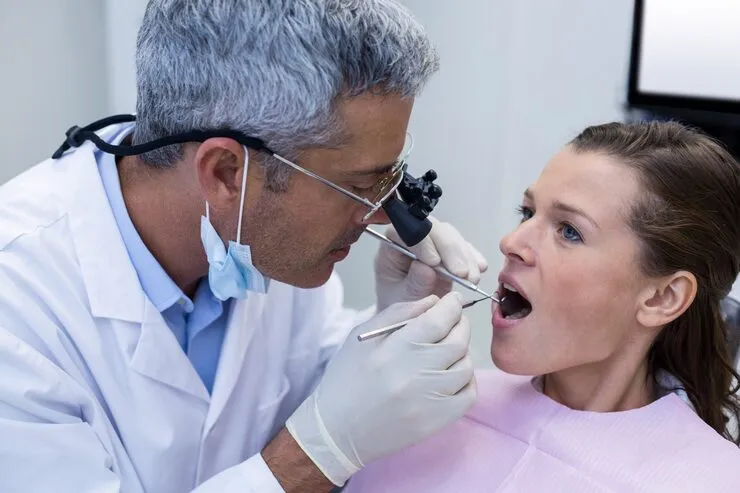
Wisdom teeth (third molars) are the last teeth to emerge and frequently cause problems — impaction, crowding, recurrent infection, and damage to adjacent teeth. When wisdom teeth need to come out, our team handles the procedure with care and precision, minimising recovery time and discomfort.
Before:
We’ll take detailed imaging (including CBCT scans when needed) to plan your procedure precisely. We’ll discuss anaesthesia options and aftercare before you have any work done.
During:
Local anaesthesia ensures you’re comfortable. Our surgical team works efficiently to complete the procedure as quickly and gently as possible.
After:
You’ll receive a detailed aftercare plan including dietary guidelines, activity restrictions, and signs to watch for. Most patients recover faster than they expected.
Whether it’s due to severe decay, damage, or crowding, sometimes a tooth simply cannot be saved. In these cases, extraction may be the best solution to protect your oral health.
At Enhance Dental Centre, our team makes the process as simple and painless as possible. We’ll walk you through the procedure, offer sedation options if needed, and provide personalized aftercare instructions. If you’d like, we can also discuss tooth replacement solutions such as bridges, implants, or dentures to restore your smile.
A: The procedure itself is performed under anaesthesia, so you should not feel pain. Post-surgery discomfort is normal and typically managed with prescribed or over-the-counter medication.
A: Simple surgical extractions: 2–3 days. More complex procedures may take 1–2 weeks. We’ll give you specific guidelines based on your procedure.
A: If sedation or general anaesthesia is used, you’ll need someone to drive you home. Local anaesthesia only? Driving yourself is usually fine. We’ll advise you based on your specific procedure.
A: Soft, cool foods are best for the first few days — think smoothies, yogurt, mashed potatoes, and soup (not too hot). Avoid hard, crunchy, or spicy foods while healing.
A: All surgical procedures carry some level of risk, but complications are rare when performed by trained professionals. We’ll review all risks and benefits with you during your consultation.
Beyond wisdom teeth and routine extractions, oral surgery covers a range of procedures used to treat infection, prepare for tooth replacement, and address structural issues that general dentistry alone can't resolve.
Rebuilds bone volume in the jaw, often needed before placing a dental implant if there isn't enough bone to support it.
Surgically positions a titanium post into the jawbone to serve as an artificial tooth root.
An apicoectomy treats persistent infection at a tooth's root tip when a root canal alone hasn't resolved it.
A small tissue sample may be surgically removed to evaluate unusual areas found during an oral cancer screening.
A minor procedure to release a tight band of tissue (frenulum) under the tongue or lip that's restricting movement.
Most oral surgery is performed comfortably under local anesthesia alone. For more involved procedures or patients with dental anxiety, additional sedation options may be available, which your dentist will discuss with you ahead of your appointment based on the specific procedure and your comfort level. We'll always walk you through exactly what to expect before any surgical treatment begins.
For certain complex cases, such as impacted wisdom teeth close to a nerve, significant bone grafting, or surgical placement of multiple implants, your dentist may refer you to an oral and maxillofacial surgeon who specializes in more advanced procedures. We coordinate this referral process for you and stay involved in your care before and after the specialist visit.
Recovery time varies significantly depending on the specific procedure, ranging from a day or two for a straightforward extraction to several weeks for bone grafting or implant placement. Your dentist will give you procedure-specific aftercare instructions, but general guidance usually includes sticking to soft foods initially, avoiding strenuous activity for a few days, and taking any prescribed medication as directed.
Coverage for oral surgery varies widely depending on the specific procedure and your insurance plan, with some procedures eligible under the Canadian Dental Care Plan (CDCP). Visit our insurance and financing page to learn how we verify your coverage and set up a payment plan if needed.
Before most oral surgical procedures, your dentist will review your medical history, current medications, and any imaging needed to plan the procedure precisely, sometimes including a CBCT scan for a detailed 3D view. You'll receive specific instructions beforehand, which may include guidance on eating, medication timing, and arranging a ride home if any sedation beyond local anesthesia is used.
It's important to tell your dentist about any medications, supplements, or health conditions, since some of these can affect healing or how your procedure is planned.
You'll receive written aftercare instructions specific to your procedure before you leave. Following them closely, including any prescribed rinses or medication, significantly reduces the risk of complications like infection or delayed healing. Our team is always available by phone if you have questions during your recovery, and we'll schedule a follow-up visit for procedures that require one.
Your dentist will determine this based on an exam and any necessary imaging. Oral surgery is typically recommended when a problem can't be resolved with a filling, cleaning, or other non-surgical treatment.
Most procedures are performed under local anesthesia, meaning you're awake but the area is fully numb. Your dentist will discuss additional comfort options if appropriate for your specific procedure.
It depends heavily on the procedure. Simple extractions often heal within a week or two, while bone grafting or implant placement can take several months for complete healing beneath the surface.
If you're treated under local anesthesia only, you can typically drive yourself. If any additional sedation is used, you'll need someone to drive you home, which your dentist will confirm in advance.
Call our office. We're available to answer questions during your recovery and will see you sooner if something seems outside the range of normal healing.
Book a consultation at our Kitsilano clinic so we can walk you through your options and what to expect.
Related services: Dental Implants · Endodontic Surgery · Tooth Extractions · Oral Cancer Screening · Insurance & Financing
We use cookies to improve your experience on our site. By using our site, you consent to cookies.
Manage your cookie preferences below:
Essential cookies enable basic functions and are necessary for the proper function of the website.